Last Chance Auto Repair

Auto Repair Shop In Plainfield, IL

Auto Repair Shop In Plainfield, IL

Auto Repair In Plainfield At Its Finest. Serving Plainfield, Naperville, Bolingbrook, Romeoville, Chicagoland since 1978.

  • Services
        • Brake Repair
          • Brakes Near Me
          • Brakes Plainfield
          • Brakes Naperville
          • Brakes Bolingbrook
          • Brake Rotor Replacement
          • Save On Brakes
        • Emissions Repair
        • Asian Repair
        • European Repair
        • Classic & Vintage
        • Truck Repair
          • Medium Duty Repair
        • Fleet Repair
        • Charging System Repair
          • Alternator Repair
          • Alternator Replacement
        • A/C Repair
          • A/C Recharge Service
          • A/C Condenser Repair
          • A/C Compressor Repair
        • Cooling System
          • Radiator Services
          • Water Pump Replacement
          • Thermostat Replacement
        • Steering System
        • Auto Maintenance
          • Auto Tune-Up
          • Oil Change
          • Batteries
        • Engine Services
          • Starter Replacement
          • Timing Belt Replacement
          • Timing Chain Replacement
          • Cylinder Heads
          • Auto Machine Shop
        • Transmissions
          • Clutch Replacement
          • Torque Converter Replacement
        • Transfer Cases
        • Carburetors
        • Driveshaft Service
        • Diesel Repair
        • Electrical Repair
        • Suspension Repair
          • Shocks & Struts
          • Ball Joint Replacement
          • Alignment Shop
        • Exhaust Repair
          • Catalytic Converter
        • Differential Repair
        • Diagnostic
        • Auto Glass Repair
        • Auto Body Shop
        • Welding Service
        • Vehicle Inspection
        • Tire Replacement
  • Vehicles
          • DOMESTIC
          • Buick Repair
          • Cadillac Repair
          • Chevrolet Repair
          • Corvette Repair
          • Dodge Repair
          • Ford Repair
          • GMC Repair
          • Hummer Repair
          • Jeep Repair
          • RAM Repair
          • ASIAN
          • Acura Repair
          • Daewoo Repair
          • Honda Repair
          • Hyundai Repair
          • Infiniti Repair
          • Isuzu Repair
          • KIA Repair
          • Lexus Repair
          • Mazda Repair
          • Nissan Repair
          • Mitsubishi Repair
          • Scion Repair
          • Subaru Repair
          • Suzuki Repair
          • Toyota Repair
          • EUROPEAN
          • BMW Repair
          • Fiat Repair
          • Jaguar Repair
          • Land Rover Repair
          • Mercedes Benz Repair
          • MINI Cooper Repair
          • Porsche Repair
          • Saab Repair
          • Smart Repair
          • Volkswagen Repair
          • Volvo Repair
  • Towing
        • 24 Hour Towing
        • Towing Plainfield
        • Towing Bolingbrook
        • Roadside Assistance
        • Lockout Service
        • Jump Start Service
        • Mobile Battery Replacement
        • Toolbox Towing
  • Storage
    • Outdoor Car Storage
  • Coupons
        • Low Cost Guaranteed
        • Transmissions
        • Free Brake Inspection
        • Air Conditioning
        • Oil Change Specials
        • Free Computer Scan
        • Teacher Discount
        • Senior Citizen Discount
  • Blog
  • About Us
    • Reviews
    • Now Hiring
    • Car Mechanic Jobs Near Me
    • Brake Repair FAQs
  • Contact Us
  • Write A Review

What Car Color Should You Avoid

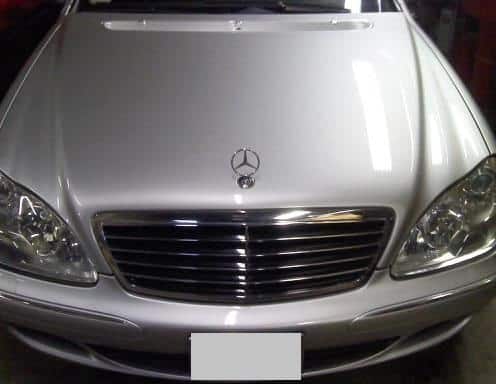
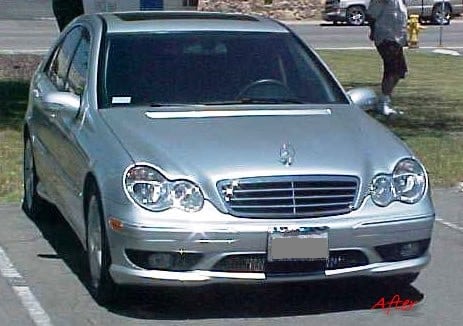
There is no single car color everyone should avoid, but some colors are less practical depending on your priorities. If you want a vehicle that hides dirt, scratches, and minor imperfections, silver and medium gray are often practical choices.

Black and other dark glossy colors can be harder to maintain because they show dust, water spots, scratches, and swirl marks easily. White can make mud and road grime more noticeable, while unusual colors may appeal to a smaller group of used-car buyers.

Car color generally does not determine mechanical reliability, repair costs, or insurance rates. When buying a used car, factors such as condition, maintenance history, mileage, accident history, and market demand matter much more.
 

Last Chance Auto Repair

Car Colors You May Want to Avoid

Color Potential Disadvantage
Black Shows dirt, scratches, and water spots
Dark blue Similar maintenance issues to black
White Mud and road grime can stand out
Yellow or orange May have a smaller resale audience
Purple Highly dependent on buyer preference
Matte finishes More difficult to repair and maintain
Custom colors Paint matching may be more complicated

These colors are not necessarily bad. They simply have different ownership considerations.

Black Cars

Black is one of the hardest colors to keep looking clean. Dust, pollen, water spots, bird droppings, road salt, scratches, and swirl marks can quickly become visible.

The glossy surface also makes imperfections stand out because light reflects strongly from the paint. If you like black, you don’t need to avoid it, but expect to wash and maintain it more frequently.

Using quality microfiber towels, proper washing methods, wax, or paint sealant can help keep black paint looking its best.

Very Dark Blue Cars

Dark blue vehicles can have many of the same maintenance challenges as black cars. Dust, scratches, water spots, and swirl marks can be noticeable on deep navy or midnight-blue paint.

Dark blue may be slightly more forgiving than black, but it is not ideal if your priority is keeping your vehicle looking clean between washes.

White Cars

White is a popular and practical vehicle color, but it can still show certain types of dirt. Mud, grease, road grime, tar, rust-colored contamination, and bird droppings can stand out against a white exterior.

The advantage is that fine scratches and swirl marks are often less noticeable than they are on black paint. For many drivers, white provides a good combination of appearance and practicality.

Should You Avoid Silver or Gray?

Usually, no. Silver and medium gray are among the most practical colors for drivers who want a vehicle that stays presentable without constant cleaning.

They can hide dust, light dirt, road grime, and minor scratches relatively well. Their broad appeal can also make them sensible choices when resale demand is important.

Should You Avoid Bright Colors?

Not necessarily. Red, yellow, orange, green, and bright blue can make a vehicle more distinctive and enjoyable.

The possible downside is resale demand. An unusual color may attract one buyer while turning another away, potentially creating a smaller used-car audience. However, desirable vehicles with bright colors can still sell well.

What About Red Cars?

There is no convincing evidence that red cars are automatically stopped by police more frequently because of their color. Driving behavior and traffic violations are much more important factors.

Modern automotive paint is also better at resisting fading than older paint systems. Sun exposure and poor maintenance can still affect red paint, but this is not a strong reason to avoid red.

Matte Paint: Think Twice About the Finish

Matte paint requires more specialized care than conventional glossy paint. The concern is primarily the finish, rather than the color itself.

Traditional polishing and paint correction can change the appearance of matte surfaces. Scratched or damaged panels may therefore require specialized refinishing.

If easy maintenance and straightforward body repairs are priorities, a conventional gloss finish is generally easier to manage.

Does Car Color Affect Resale Value?

Yes, color can influence resale demand, but it is only one factor.

Used-car value is also affected by:

  • Make and model
  • Model year
  • Mileage
  • Mechanical condition
  • Maintenance history
  • Accident history
  • Features and trim
  • Location
  • Overall market demand

Neutral colors such as white, black, gray, and silver generally have broad appeal. However, vehicle condition and demand usually matter much more than color.

Condition is more important than color.

Which Car Colors Are Easiest to Maintain?

If you want to minimize the appearance of everyday dirt and minor imperfections, consider:

  • Medium gray: A practical all-around choice.
  • Silver: Hides dust and light road grime well.
  • Medium blue: Provides personality without being extremely difficult to maintain.
  • Beige or champagne: Can disguise dust and dirt effectively.

Your environment also matters. Rain, dusty roads, road salt, and parking conditions can affect how quickly a vehicle appears dirty.

Which Colors Show Scratches and Dirt Most?

Dark glossy colors generally make scratches and swirl marks more noticeable, with black being particularly unforgiving. Dark blue and dark green can have similar characteristics.

For dirt, black highlights dust and water spots, while white can make mud and road grime obvious. No paint color completely hides every type of contamination.

Does Car Color Affect Safety or Insurance?

Car color may affect visibility in certain conditions, such as darkness, fog, or heavy rain, but vehicle safety depends much more on vehicle design, lighting, road conditions, driver behavior, and safety technology.

Paint color generally does not determine auto insurance premiums. Insurers typically consider the vehicle, driver history, location, coverage, claims history, and mileage.

Does Car Color Affect Repair Costs?

Paint color generally does not affect mechanical repair costs. Engine, transmission, brake, suspension, and electrical repairs depend primarily on parts, labor, vehicle design, and diagnostic requirements.

Body and paint repairs can vary by finish. Specialty, multi-stage, custom, or matte paint may require additional work to match and refinish properly.

What Should You Check Before Buying a Used Car?

Don’t let paint color distract you from more important factors. Before buying, prioritize:

  1. Mechanical condition
  2. Maintenance history
  3. Accident history
  4. Mileage
  5. Rust and corrosion
  6. Repair history
  7. Tires and brakes
  8. Engine and transmission condition
  9. Vehicle history
  10. Exterior and interior condition

Look for uneven paint, overspray, dents, scratches, rust, bubbling, and mismatched panels. Differences between panels can sometimes indicate previous body repairs.

A professional pre-purchase inspection can also identify mechanical problems that may not be obvious during a test drive.

How Much Does Paint Repair Cost?

Paint and body repair costs vary depending on the vehicle, damage, paint type, location, and labor rates.

Repair Typical Range
Minor scratch repair $100–$500+
Paint touch-up $100–$500+
Small dent repair $150–$600+
Single-panel repaint $400–$1,000+
Larger body repair $1,000–$5,000+
Extensive restoration $3,000–$10,000+

Specialty and luxury finishes may cost considerably more.
Last Chance Auto Repair

Frequently Asked Questions

What car color should you avoid?

There isn’t a universally bad color, but black and very dark glossy colors can be less practical because they show dust, water spots, scratches, and swirl marks easily. Matte finishes can also require specialized repairs.

What is the hardest car color to keep clean?

Black is generally one of the hardest colors to keep looking spotless because dust, water spots, and surface imperfections are highly visible.

What car color hides dirt the best?

Silver and medium gray are practical choices because they tend to hide everyday dust, light dirt, and minor imperfections better than very dark colors.

What car color has the best resale value?

There is no universal best color for resale. Neutral colors often have broad buyer appeal, but make, model, condition, mileage, and overall demand usually have a greater effect.

Do red cars get stopped by police more often?

There is no convincing evidence that red cars are inherently stopped more often simply because of their color. Driving behavior and traffic violations are much more important factors.

Does car color affect insurance?

Generally, no. Insurance premiums are primarily based on the driver, vehicle, location, coverage, claims history, and other underwriting factors rather than paint color.

Conclusion

So, what car color should you avoid? There isn’t one color everyone needs to eliminate. If low maintenance is your priority, black and very dark glossy colors can require more frequent cleaning because they make dust, water spots, scratches, and swirl marks particularly noticeable.

For practicality, silver and medium gray are excellent choices because they tend to disguise everyday dirt and minor imperfections. White can also be practical, while bright or unusual colors may appeal to buyers who prioritize personality over broad resale demand.

Ultimately, vehicle condition matters far more than paint color. When purchasing a used car, focus on maintenance records, mechanical condition, accident history, rust, mileage, and potential repair costs.

For Car Repair Plainfield IL, Car Repair Near Me, Auto Repair, Auto Repair Near Me, Automotive Repair, Brake Shop, Brake Repair, Brake Repair Plainfield IL, or Brake Service, contact Last Chance Auto Repair For Cars Trucks in Plainfield, IL.

Call 815-577-0327 for professional car and truck diagnostics, maintenance, brake service, and automotive repair.
 

What Color Car Do Police Stop the Most?

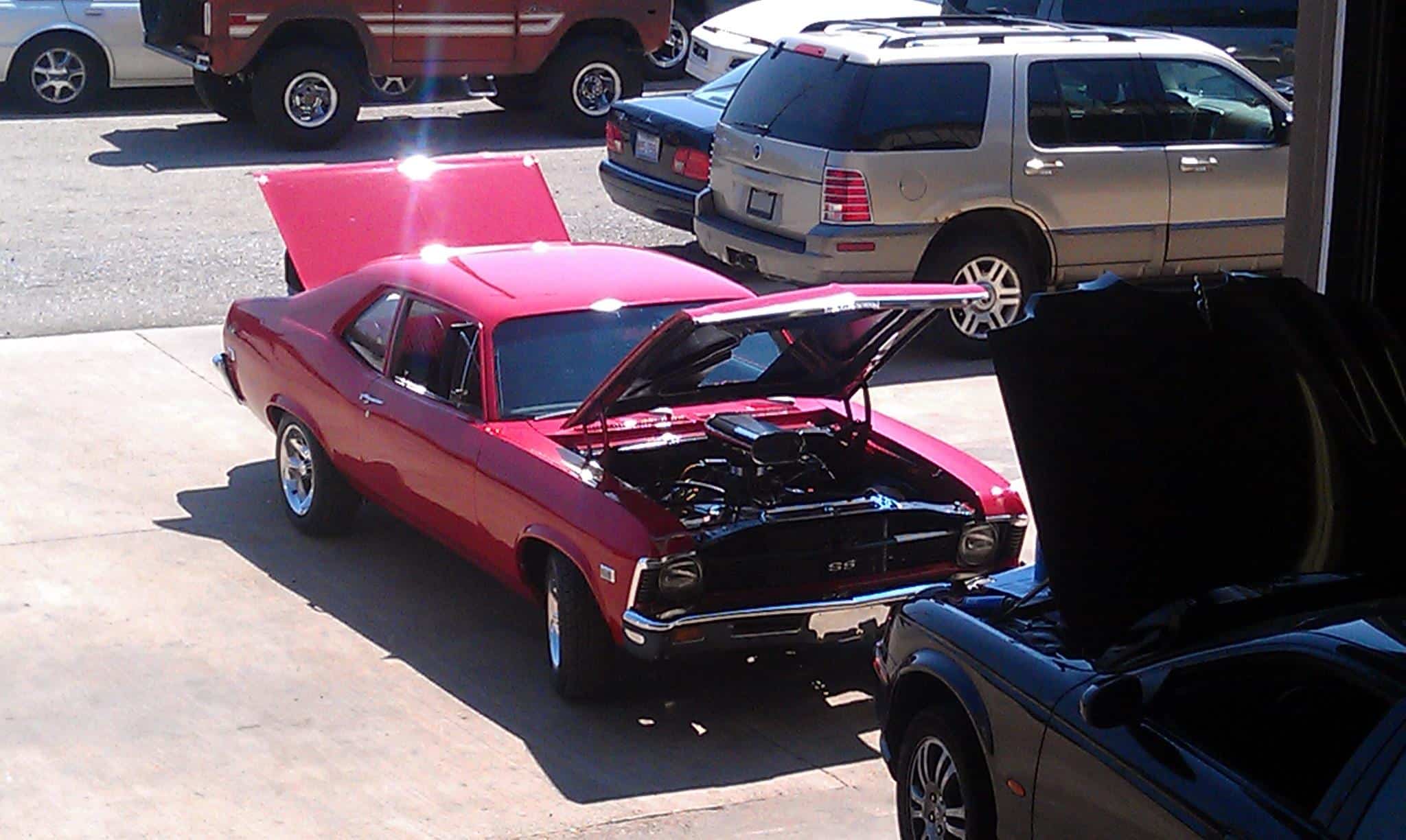
There is no reliable nationwide evidence that police stop one particular car color more than others. Red cars are often said to be pulled over the most, but this is largely an automotive myth. Traffic stops are usually based on speeding, unsafe driving, equipment violations, location, and driver behavior, not paint color.

If you’re worried about traffic stops, driving safely and keeping your vehicle legal are much more important than choosing a specific color.

Last Chance Auto Repair

Do Police Stop Red Cars More Often?

Not necessarily. Red is commonly claimed to be the most frequently stopped car color, but there is no comprehensive national data proving that red cars have a higher stop rate than other colors.

Red vehicles may simply be easier to notice because of their bright appearance. The color can also be associated with sports cars and performance vehicles, which may contribute to the perception that red cars receive more police attention.

What Actually Causes Most Traffic Stops?

Driver behavior matters much more than vehicle color. Common reasons for traffic stops include:

  • Speeding
  • Running red lights or stop signs
  • Unsafe lane changes
  • Failure to signal
  • Following too closely
  • Distracted driving
  • Aggressive driving
  • Broken equipment
  • Registration or plate problems

For example, a gray sedan speeding significantly over the limit is more likely to attract police attention than a red car being driven legally.

What Color Car Gets Pulled Over the Most?

There isn’t enough reliable nationwide data to definitively identify which car color gets pulled over the most.

Online claims may rank red, black, white, gray, or silver vehicles as the most frequently stopped. However, these claims can be misleading because they may only look at the total number of stops rather than the percentage of vehicles of each color that are stopped.

Why Do Raw Numbers Matter?

If there are millions of white cars on the road but only thousands of red cars, white vehicles could have more total traffic stops simply because there are more of them.

Therefore, the color with the most traffic stops isn’t necessarily the color most likely to be stopped.

Does Car Color Affect Police Attention?

It can potentially affect visibility, but that doesn’t mean police systematically target certain colors.

Bright or unusual vehicles may stand out more than common gray, silver, or black vehicles. However, an officer noticing a vehicle does not automatically mean there is a legal reason to stop it.

Vehicle condition and modifications may be more important than paint color. Loud exhaust, illegal tint, missing plates, broken lights, aggressive acceleration, and other violations can attract attention.

Are Red Cars More Likely to Get Speeding Tickets?

There is no strong evidence that red cars receive more speeding tickets simply because they are red.

Speed and driving behavior are the important factors. A driver exceeding the speed limit can be stopped regardless of whether the vehicle is red, black, white, blue, or another color.

Do Black Cars Get Pulled Over More?

There is no conclusive evidence that black cars are systematically stopped more often because of their color.

Black vehicles are common, so they may appear frequently in traffic-stop statistics. A high number of stops does not necessarily mean that black cars have a higher stop rate.

What About White and Silver Cars?

White and silver vehicles are also extremely common. Their large numbers can result in many traffic stops even when their individual stop rates aren’t unusually high.

For this reason, claims that white or silver cars are stopped the most should be considered carefully unless the statistics account for how many vehicles of each color are actually on the road.

Does Vehicle Type Matter More Than Color?

In many cases, vehicle type and driver behavior can matter more than paint color.

Sports cars, trucks, and modified vehicles may attract attention because of their sound, acceleration, appearance, or equipment. However, no vehicle type automatically means a driver will be stopped.

A sports car driven responsibly can avoid traffic violations just like any other vehicle.

Can Police Pull You Over Just Because of Your Car’s Color?

Generally, a normal vehicle paint color is not a traffic violation.

Traffic-stop laws vary by jurisdiction, but officers generally need an appropriate legal basis for a stop. Driving a red, black, white, blue, gray, or other legal color does not by itself mean you should expect to be pulled over.

What Vehicle Features Can Increase the Risk of a Traffic Stop?

Certain vehicle issues can attract police attention, including:

  • Excessively dark or illegal window tint
  • Loud or non-compliant exhaust
  • Missing or improperly displayed plates
  • Broken headlights or brake lights
  • Illegal lighting or suspension modifications
  • Unsafe or aggressive driving

Keeping your vehicle properly maintained and compliant with local laws can help reduce avoidable stops.

How Can You Reduce Your Chances of Being Pulled Over?

Focus on factors you can control:

  • Follow the speed limit.
  • Use your turn signals.
  • Avoid distracted or aggressive driving.
  • Keep lights, tires, mirrors, and other equipment working.
  • Keep registration and inspections current.
  • Follow local laws regarding tint, exhaust, plates, and modifications.

Choosing a particular car color is far less important than responsible driving.

Does Car Color Affect Insurance Rates?

Generally, car color does not significantly affect standard auto insurance rates.

Insurance companies typically consider factors such as driving history, location, vehicle model, claims history, coverage, deductible, and vehicle use. The belief that red cars automatically cost more to insure is another common car myth.

What Color Car Is Best to Buy?

Choose a vehicle based on factors that have a greater effect on ownership, including:

  • Reliability
  • Safety
  • Fuel economy
  • Repair costs
  • Insurance costs
  • Maintenance needs
  • Vehicle condition
  • Parts availability

Choose the color you like rather than selecting a vehicle based on fears about traffic stops.

Last Chance Auto Repair

Frequently Asked Questions

What color car do police stop the most?

There is no reliable nationwide evidence proving that one color is consistently stopped more than others. Red is commonly claimed to be the most frequently stopped, but this has not been established as a national fact.

Do red cars get more speeding tickets?

No strong evidence shows that red paint causes more speeding tickets. Speed, driving behavior, road conditions, and enforcement are more important factors.

Are black cars more likely to be pulled over?

There is no conclusive evidence that black cars are systematically stopped more because of their color. Their popularity may explain why they appear frequently in traffic-stop statistics.

What makes a car more likely to get pulled over?

Speeding, unsafe lane changes, defective lights, illegal tint, improper plates, aggressive driving, and other observable violations can increase the likelihood of a traffic stop.

Does car color affect insurance?

Typically, no. Insurance rates are generally based on driving history, location, vehicle type, claims, coverage, and other underwriting factors rather than paint color.

What color car is safest?

There is no universally safest car color. Vehicle safety features, responsible driving, road conditions, and proper maintenance have a much greater effect on safety.

Conclusion

So, what color car do police stop the most? The popular answer is red, but there is no convincing nationwide evidence that red cars are inherently pulled over more often than other colors.

Traffic stops are influenced much more by speed, driving behavior, vehicle equipment, location, and traffic conditions. Instead of worrying about your vehicle’s paint color, focus on safe driving and keeping your vehicle properly maintained and legally equipped.

For Car Repair Plainfield IL, Car Repair Near Me, Auto Repair, Auto Repair Near Me, Automotive Repair, Brake Shop, Brake Repair Plainfield IL, or Brake Service, contact Last Chance Auto Repair For Cars Trucks in Plainfield, IL.

Call 815-577-0327 for professional car and truck diagnostics, maintenance, brake service, and automotive repair.
 

Which Car Is the Hardest to Fix?

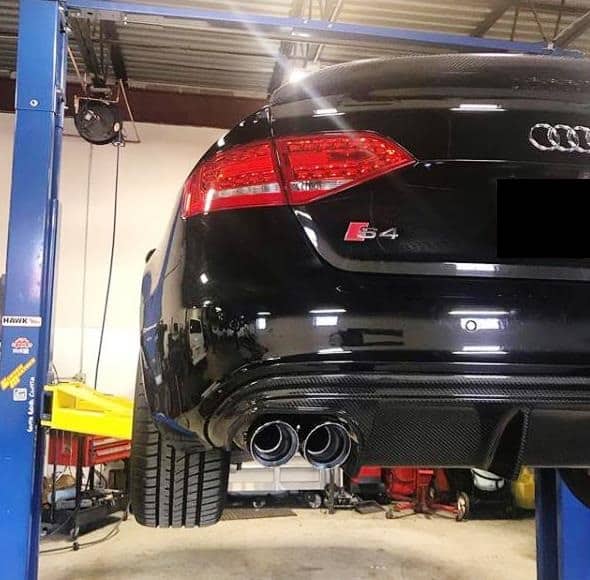
There isn’t one car that is universally considered the hardest car to fix. However, some vehicles are much more difficult and expensive to repair because of complicated engine layouts, limited component access, advanced electronics, specialized tools, and tightly packed engine bays.

The most challenging vehicles often include European luxury cars, exotic sports cars, V12s, hybrids, electric vehicles, turbocharged performance cars, and heavily modified vehicles. Repair difficulty depends less on a vehicle’s price and more on how it is engineered.

Last Chance Auto Repair

What Makes a Car Hard to Fix?

Several factors can make automotive repair more difficult.

Limited Access to Components

A repair becomes more time-consuming when technicians cannot easily reach the failed component. Parts may be located behind the engine, transmission, dashboard, exhaust, suspension, wiring, or other components.

Complex Engine Layouts

Inline-four engines are generally easier to access than tightly packaged V6, V8, V10, or V12 engines. Turbochargers, superchargers, and additional cooling systems can also make repairs more complicated.

Advanced Electronics

Modern vehicles contain numerous control modules, sensors, cameras, and communication networks. Diagnosing a problem may require determining whether the issue is caused by a sensor, wiring, module, software, or another system.

Specialized Tools

Some vehicles require manufacturer-specific scan tools, programming equipment, timing tools, high-voltage equipment, or specialty fixtures. These requirements can limit which repair shops can properly service the vehicle.

Manufacturer-Specific Procedures

Certain repairs require programming, calibration, initialization, or precise mechanical procedures. Skipping these steps can create additional problems.

10 Types of Cars That Can Be Difficult to Fix

Vehicle Type Why It Can Be Difficult
Exotic supercars Extremely tight packaging
European luxury cars Complex systems and electronics
V12 vehicles Crowded engine compartments
Turbo performance cars Heat and limited access
Hybrid vehicles Multiple power systems
EVs High-voltage systems
Air-suspension vehicles Specialized components
Luxury SUVs Numerous electronic systems
Older rare cars Difficult-to-find parts
Modified cars Non-standard wiring and components

Exotic Supercars

Exotic cars are among the hardest vehicles to repair because engineers prioritize performance, aerodynamics, weight, and compact packaging.

Mid-engine layouts, carbon-fiber structures, advanced cooling systems, specialized suspension, and sophisticated electronics can make even basic repairs labor-intensive. Replacement parts can also be expensive and difficult to source.

V12 Cars

V12 engines contain significantly more components than basic four-cylinder engines, including more spark plugs, injectors, ignition components, sensors, and exhaust components.

The biggest challenge is often access. Limited space around the engine can require technicians to remove surrounding components before reaching the part that needs repair.

European Luxury Vehicles

Some European luxury cars combine turbocharged engines, adaptive suspension, air suspension, electronic steering, advanced driver-assistance systems, and numerous control modules.

A warning light does not always identify the failed component. A communication fault could result from a sensor, wiring issue, weak battery, failed module, corrosion, or software problem. Proper diagnosis is therefore essential.

Hybrid Vehicles

Hybrid vehicles combine gasoline engines with electric motors, high-voltage batteries, inverters, regenerative braking, and battery-management systems.

Technicians need specialized training to safely work around high-voltage components. Insulated tools, protective equipment, voltage testing, and proper disconnect procedures may be required.

Electric Vehicles

EVs eliminate many traditional components, such as gasoline engines and exhaust systems, which can make certain repairs simpler.

However, EVs still contain sophisticated battery packs, electric motors, inverters, charging systems, thermal management systems, control modules, and software. High-voltage system repairs require specialized knowledge and equipment.

Turbocharged Performance Cars

Turbocharged performance vehicles can be difficult to repair because of turbochargers, intercoolers, charge piping, additional sensors, complex exhaust systems, and increased cooling requirements.

High temperatures and limited engine-bay space can make component removal and installation particularly challenging.

Cars With Air Suspension

Air suspension systems contain air springs, compressors, air lines, solenoids, height sensors, reservoirs, and control modules.

A suspension problem may therefore require both mechanical and electronic diagnosis. Some vehicles also require calibration after repairs.

Modern Luxury SUVs

Luxury SUVs can combine turbocharged engines, advanced transmissions, air suspension, adaptive dampers, four-wheel steering, cameras, radar, and other driver-assistance technology.

The greater the number of integrated systems, the more complicated diagnosis and repair can become.

Older Rare Cars

Older vehicles can be difficult to repair because replacement parts may no longer be readily available.

Technicians may have trouble finding sensors, control modules, body panels, engine components, trim, or specialized hardware. In some cases, parts must be rebuilt, sourced from specialty suppliers, or fabricated.

Heavily Modified Cars

Modified vehicles can be especially difficult to diagnose because their factory configuration may have been changed.

Engine swaps, turbo conversions, aftermarket wiring, custom suspension, modified fuel systems, non-factory computers, and performance tuning can all complicate troubleshooting.

What Is the Hardest Car Repair?

Some of the most challenging automotive repairs include:

  • Engine replacement: Often requires extensive disassembly and careful installation.
  • Transmission replacement: Modern transmissions can be heavy, complex, electronically controlled, and difficult to access.
  • Timing-system repairs: Precise installation and significant disassembly may be required.
  • Head gasket replacement: Some engines require extensive removal of components before the cylinder heads can be accessed.
  • Electrical diagnostics: Intermittent faults can be difficult to reproduce and trace.
  • High-voltage battery repair: Hybrid and EV battery work requires specialized safety procedures.
  • ADAS calibration: Cameras and radar systems may require calibration after certain repairs.

Is the Most Expensive Car the Hardest to Fix?

Not necessarily.

A $100,000 vehicle can sometimes be easier to repair than a $30,000 vehicle. Repair difficulty depends on accessibility, engineering, component location, diagnostic complexity, parts availability, specialized equipment, and technician training.

Vehicle price and repair difficulty are separate issues.

Why Do Difficult Cars Cost More to Repair?

Repair costs include more than the time spent turning a wrench. Shops must account for technician expertise, diagnostic equipment, specialty tools, software subscriptions, overhead, equipment maintenance, and warranty obligations.

A component that is easy to reach on one vehicle may require removal of several other systems on another. This can dramatically increase labor time and the final repair bill.

What Should You Ask Before Approving a Major Repair?

Before spending thousands on a difficult repair, ask:

  1. What exactly failed?
  2. How was the problem confirmed?
  3. Is the repair necessary for safety?
  4. What happens if I don’t repair it?
  5. How many labor hours are estimated?
  6. What parts will be installed?
  7. Is programming or calibration required?
  8. What warranty is included?
  9. Are there other problems that should be addressed?
  10. Is the repair worthwhile based on the vehicle’s value?

A professional diagnosis can help you avoid replacing expensive parts unnecessarily.

How to Make Difficult Car Repairs Easier

Following the manufacturer’s maintenance schedule can help prevent some expensive failures. Keep up with oil, coolant, filters, brake fluid, transmission service, spark plugs, belts, tires, and brakes.

Don’t ignore warning signs such as check-engine lights, overheating, fluid leaks, unusual noises, battery warnings, transmission problems, or brake warnings.

It’s also smart to choose a technician familiar with your specific vehicle, especially when dealing with hybrids, EVs, luxury vehicles, or complicated electronic systems.

Auto Repair Shop
Differentiates Automotive Repair from General Auto Maintenance

Frequently Asked Questions

Which car is the hardest to fix?

There isn’t one universally hardest car to repair. Exotic cars, V12 vehicles, European luxury cars, hybrids, EVs, and heavily modified vehicles can all be exceptionally difficult because of limited access, specialized tools, and complex systems.

What is the hardest part of a car to repair?

Engine replacements, transmission repairs, timing-system work, electrical diagnostics, high-voltage battery repairs, and complicated suspension repairs are among the most challenging jobs. Difficulty depends on the vehicle and the specific problem.

Are luxury cars harder to repair?

They can be. Luxury vehicles often contain advanced electronics, specialized suspension, complex powertrains, and numerous control modules that increase diagnostic and repair requirements.

Are electric cars easier to repair?

Some repairs are simpler because EVs lack traditional engines and exhaust systems. However, battery packs, charging systems, power electronics, and software can require specialized training and equipment.

Why do some cars cost more to repair?

Repair costs depend on parts prices, labor time, accessibility, diagnostic requirements, specialized equipment, technician expertise, and whether programming or calibration is necessary.

Should I repair a difficult car?

Difficulty alone doesn’t mean a vehicle should be replaced. Compare the repair cost with the vehicle’s value, condition, maintenance history, and likelihood of additional repairs.

Conclusion

So, which car is the hardest to fix? There is no single answer. Exotic supercars, V12 vehicles, European luxury cars, hybrids, EVs, turbocharged performance cars, air-suspension vehicles, older rare cars, and heavily modified vehicles can all present significant repair challenges.

The common factor is complexity. Limited component access, specialized tools, advanced electronics, programming, calibration, and difficult diagnostics can all increase repair time and cost.

If your vehicle has a warning light, unusual noise, brake issue, electrical fault, engine problem, or transmission concern, getting a professional diagnosis before replacing expensive components can save you money.

For Car Repair Plainfield IL, Car Repair Near Me, Auto Repair, Auto Repair Near Me, Automotive Repair, Brake Shop, Brake Repair, Brake Repair Plainfield IL, or Brake Service, contact Last Chance Auto Repair For Cars Trucks in Plainfield, IL.

Call 815-577-0327 for professional automotive diagnostics, maintenance, brake service, and car and truck repair.

  • « Previous Page
  • 1
  • …
  • 7
  • 8
  • 9
  • 10
  • 11
  • …
  • 99
  • Next Page »

Reviews

[RICH_REVIEWS_SHOW category=”Auto Repair In Plainfield” num=”3″]
[RICH_REVIEWS_SNIPPET category=”all”]

Facebook Posts

Last Chance Auto Repair For Cars Trucks is at Last Chance Auto Repair For Cars Trucks.

4 weeks ago

Last Chance Auto Repair For Cars Trucks
Need a safe place to store your vehicle in Plainfield, IL? Last Chance Auto Repair For Cars Trucks offers convenient automobile storage right on Naper Plainfield Road.

From classic cars and muscle cars to hot rods, collector vehicles, seasonal rides, project cars, extra vehicles, and cars you do not have room for at home, we can help keep your vehicle stored locally and conveniently. Our shop is easy to reach from Plainfield, Naperville, Bolingbrook, Romeoville, Joliet, Aurora, Chicago, and surrounding Chicagoland communities.

For decades, Last Chance Auto Repair has been trusted for auto repair, maintenance, diagnostics, vehicle care, and storage solutions. If you are looking for car storage in Plainfield, IL, automobile storage near Naperville, or vehicle storage on Naperville Plainfield Road, give us a call today.

Automobile storage details:
www.lastchanceautorepairs.com/automobile-storage/

Google post:
posts.gle/jvjtbyobYwEzbXPE8

Facebook post:
www.facebook.com/share/p/1Ei9A1nrni/

YouTube Short:
youtube.com/shorts/_sCFb9xGIDA?is=qSQndc5nIvBY0vwb

Last Chance Auto Repair For Cars Trucks
12052 S Naper Plainfield Rd
Plainfield, IL 60585
815-577-0327

#carstorageplainfieldil #automobilestorage #vehiclestorage #classiccarstorage #LastChanceAutoRepair
...

Video

View on Facebook (opens in a new tab)
· Share

Share on Facebook (opens in a new tab) Share on Twitter (opens in a new tab) Share on LinkedIn (opens in a new tab) Share by Email (opens in a new tab)

Last Chance Auto Repair For Cars Trucks

4 weeks ago

Last Chance Auto Repair For Cars Trucks
Need car storage in, near, around Plainfield, IL? πŸš—πŸ”’

Last Chance Auto Repair offers automobile storage right on Naper Plainfield Road for drivers who need a safe, convenient place to keep their vehicle. Need storage?

Whether you have a classic car, hot rod, muscle car, seasonal vehicle, extra car, project car, or a vehicle you simply need stored for a while, our family-owned shop is here to help. We’ve been serving Plainfield, Naperville, Bolingbrook, Romeoville, Chicago, and surrounding Chicagoland communities since 1978 with trusted auto repair, maintenance, diagnostics, and dependable vehicle storage solutions.

If you’re looking for car storage in Plainfield, IL, vehicle storage near Naperville, or automobile storage on Naperville Plainfield Road, give Last Chance Auto Repair a call today.

More about car storage at Last Chance in Plainfield, IL:
www.lastchanceautorepairs.com/automobile-storage

Google post / more details:
posts.gle/jvjtbyobYwEzbXPE8

Last Chance Auto Repair
For Cars Trucks
12052 S Naper Plainfield Rd
Plainfield, IL 60585
815-577-0327

#CarStorage #CarStoragePlainfieldIL #VehicleStorage #AutomobileStorage #ClassicCarStorage #HotRodStorage #MuscleCarStorage #PlainfieldIL #NapervilleIL #LastChanceAutoRepair
...

Automobile Storage in Plainfield, IL | Secure & Affordable24

www.lastchanceautorepairs.com

Looking for reliable automobile storage in Plainfield, IL? Our secure and affordable facility offers 24/7 protection, easy access...
View on Facebook (opens in a new tab)
· Share

Share on Facebook (opens in a new tab) Share on Twitter (opens in a new tab) Share on LinkedIn (opens in a new tab) Share by Email (opens in a new tab)

Last Chance Auto Repair For Cars Trucks is at Last Chance Auto Repair For Cars Trucks.

1 month ago

Last Chance Auto Repair For Cars Trucks
Honest service. Fair prices. Quality repairs. Every time. Call our team today πŸš—πŸ”§!

At Last Chance Auto Repair For Cars Trucks in Plainfield, IL, we’re here to make auto repair simple, straightforward, and stress-free. No surprises. No upselling. Just dependable diagnostics, clear communication, and repairs you can feel confident about.

Whether your vehicle needs engine repair, brake service, suspension and steering repair, electrical diagnostics, oil changes, A/C and heating service, or routine maintenance, our team is ready to help keep you safely on the road. How may we help you?

βœ… Honest diagnostics
βœ… Quality repairs
βœ… Fair prices
βœ… Customer-focused service
βœ… Family owned and operated since 1978

Serving Plainfield, Naperville, Bolingbrook, Romeoville, Chicago, and surrounding Chicagoland communities.

Auto repair you can count on in Plainfield, IL:
www.lastchanceautorepairs.com/ #AutoRepairNearMe

Google Maps, reviews, hours, directions & more:
www.google.com/maps?cid=3195904950708136624

Last Chance Auto Repair
For Cars Trucks
12052 S Naper Plainfield Rd
Plainfield, IL 60585
815-577-0327

#LastChanceAutoRepair #AutoRepairPlainfieldIL #MechanicPlainfieldIL #BrakeRepair #EngineRepair #SuspensionRepair #CarRepairShop #PlainfieldIL #NapervilleIL #BolingbrookIL
...

Call Now

Video

View on Facebook (opens in a new tab)
· Share

Share on Facebook (opens in a new tab) Share on Twitter (opens in a new tab) Share on LinkedIn (opens in a new tab) Share by Email (opens in a new tab)

Best Auto Repair Shop in Plainfield, IL

Recent Posts

  • What Are Common Auto Repair Shop Services?
  • What Are Signs I Need an Auto Repair Shop?
  • Does an Auto Repair Shop Offer Tire Services?
  • Can an Auto Repair Shop Repair Suspension Problems?
  • Which Part of a Car Is Most Expensive to Fix?

Contact Us

12052 S Naper Plainfield Rd
Plainfield, IL 60585
(815) 577-0327
info@lastchanceautorepairs.com

Contact Us

12052 S Naper Plainfield Rd
Plainfield, IL 60585
(815) 577-0327
info@lastchanceautorepairs.com

Service Area

Plainfield, 60585, 60544, 60586, Naperville, 60564, Bolingbrook, 60490, 60440, Romeoville, 60446, Will, Kendall, DuPage, Counties. Our auto repair shop in Plainfield, IL, has been serving the local area plus all surrounding Chicagoland since 1978.

Learn About Naperville, IL

Learn About Plainfield, Illinois

Specialties

β€’ Computer Diagnostic β€’ Brake Shop β€’ Engine Replacement β€’ Transmission Rebuild β€’ Clutch Replacement β€’ Differential Rebuild β€’ Suspension Shop β€’ Steering β€’ Shocks & Struts β€’ Heating & Cooling β€’ Electrical β€’ Exhaust Shop β€’ Catalytic Converter Replacement β€’ Alignment β€’ Domestic & Foreign Vehicle Service β€’ Auto Repair In Plainfield, IL β€’ Auto Repair Shops Near Me β€’ Towing Service Near Me

Last Chance Auto Repair In Plainfield, IL | Copyright © 1978 - 2026 | All Rights Reserved | (815) 577-0327