Last Chance Auto Repair

Auto Repair Shop In Plainfield, IL

Auto Repair Shop In Plainfield, IL

Auto Repair In Plainfield At Its Finest. Serving Plainfield, Naperville, Bolingbrook, Romeoville, Chicagoland since 1978.

  • Services
        • Brake Repair
          • Brakes Near Me
          • Brakes Plainfield
          • Brakes Naperville
          • Brakes Bolingbrook
          • Brake Rotor Replacement
          • Save On Brakes
        • Emissions Repair
        • Asian Repair
        • European Repair
        • Classic & Vintage
        • Truck Repair
          • Medium Duty Repair
        • Fleet Repair
        • Charging System Repair
          • Alternator Repair
          • Alternator Replacement
        • A/C Repair
          • A/C Recharge Service
          • A/C Condenser Repair
          • A/C Compressor Repair
        • Cooling System
          • Radiator Services
          • Water Pump Replacement
          • Thermostat Replacement
        • Steering System
        • Auto Maintenance
          • Auto Tune-Up
          • Oil Change
          • Batteries
        • Engine Services
          • Starter Replacement
          • Timing Belt Replacement
          • Timing Chain Replacement
          • Cylinder Heads
          • Auto Machine Shop
        • Transmissions
          • Clutch Replacement
          • Torque Converter Replacement
        • Transfer Cases
        • Carburetors
        • Driveshaft Service
        • Diesel Repair
        • Electrical Repair
        • Suspension Repair
          • Shocks & Struts
          • Ball Joint Replacement
          • Alignment Shop
        • Exhaust Repair
          • Catalytic Converter
        • Differential Repair
        • Diagnostic
        • Auto Glass Repair
        • Auto Body Shop
        • Welding Service
        • Vehicle Inspection
        • Tire Replacement
  • Vehicles
          • DOMESTIC
          • Buick Repair
          • Cadillac Repair
          • Chevrolet Repair
          • Corvette Repair
          • Dodge Repair
          • Ford Repair
          • GMC Repair
          • Hummer Repair
          • Jeep Repair
          • RAM Repair
          • ASIAN
          • Acura Repair
          • Daewoo Repair
          • Honda Repair
          • Hyundai Repair
          • Infiniti Repair
          • Isuzu Repair
          • KIA Repair
          • Lexus Repair
          • Mazda Repair
          • Nissan Repair
          • Mitsubishi Repair
          • Scion Repair
          • Subaru Repair
          • Suzuki Repair
          • Toyota Repair
          • EUROPEAN
          • BMW Repair
          • Fiat Repair
          • Jaguar Repair
          • Land Rover Repair
          • Mercedes Benz Repair
          • MINI Cooper Repair
          • Porsche Repair
          • Saab Repair
          • Smart Repair
          • Volkswagen Repair
          • Volvo Repair
  • Towing
        • 24 Hour Towing
        • Towing Plainfield
        • Towing Bolingbrook
        • Roadside Assistance
        • Lockout Service
        • Jump Start Service
        • Mobile Battery Replacement
        • Toolbox Towing
  • Storage
    • Outdoor Car Storage
  • Coupons
        • Low Cost Guaranteed
        • Transmissions
        • Free Brake Inspection
        • Air Conditioning
        • Oil Change Specials
        • Free Computer Scan
        • Teacher Discount
        • Senior Citizen Discount
  • Blog
  • About Us
    • Reviews
    • Now Hiring
    • Car Mechanic Jobs Near Me
    • Brake Repair FAQs
  • Contact Us
  • Write A Review

Do Auto Repair Shops in Plainfield Provide Diagnostic Services?

Do Auto Repair Shops in Plainfield Provide Diagnostic Services?

When your vehicle starts making unusual noises, displays warning lights, or experiences performance issues, finding the cause quickly is essential. Many drivers wonder whether an Auto Repair Shop in Plainfield provides diagnostic services and how these services help identify vehicle problems. Modern vehicles rely heavily on sophisticated computer systems, sensors, and electronic components that require specialized diagnostic equipment to evaluate properly.

Diagnostic services are one of the most important aspects of automotive maintenance and repair. Rather than guessing what might be wrong with a vehicle, technicians use advanced tools to pinpoint the exact issue. This approach saves time, reduces unnecessary repairs, and helps vehicle owners make informed decisions about maintenance. Understanding how diagnostic services work and what they include can help drivers protect their investment and keep their vehicles operating safely and efficiently.

What Are Automotive Diagnostic Services?

Automotive diagnostic services involve the process of identifying problems within a vehicle using specialized tools, software, and professional expertise. Today’s vehicles contain multiple onboard computer systems that monitor everything from engine performance to emissions and safety features.

When a problem occurs, these systems often generate trouble codes that provide valuable information about the issue. Diagnostic equipment connects directly to the vehicle’s computer and retrieves these codes for analysis. However, diagnostics involve much more than simply reading codes. Experienced technicians interpret the information, perform inspections, and conduct tests to determine the root cause of the problem.

A professional Auto Repair Shop in Plainfield typically offers comprehensive diagnostic services for engines, transmissions, brakes, electrical systems, emissions systems, and more. These services help identify issues before they become major repairs, saving vehicle owners both time and money. Proper diagnostics ensure repairs are accurate and effective, reducing the likelihood of recurring problems.

Why Vehicle Diagnostics Are Important

Vehicle diagnostics play a critical role in maintaining performance, reliability, and safety. Without proper diagnostics, technicians may rely on assumptions that can lead to unnecessary repairs and increased costs.

Modern diagnostic procedures allow mechanics to identify issues with precision. Whether the problem involves a faulty sensor, ignition component, fuel system malfunction, or electrical issue, diagnostics provide valuable insights into the vehicle’s condition. This accuracy helps ensure that only the necessary repairs are performed.

Diagnostic services also support preventive maintenance. Detecting minor issues early can prevent more extensive damage later. For example, identifying a failing sensor before it affects engine performance can prevent costly repairs down the road.

In addition, diagnostics help improve fuel efficiency and emissions performance. Vehicles operating with unresolved issues often consume more fuel and produce higher emissions. Regular diagnostic checks can help maintain optimal performance and compliance with environmental standards.

Auto Repair Shop

Common Problems Identified Through Diagnostics

Automotive diagnostics can reveal a wide variety of vehicle issues. One of the most common reasons drivers seek diagnostics is an illuminated check engine light. While the warning light indicates a problem exists, diagnostics determine the exact cause.

Engine performance issues such as rough idling, hesitation, misfires, and poor acceleration are frequently diagnosed using computerized testing. Fuel delivery problems, ignition system failures, and sensor malfunctions can all be identified through advanced diagnostic equipment.

Transmission-related concerns may also require diagnostic evaluation. Shifting problems, delayed engagement, or warning indicators often point to electronic or mechanical issues that need professional attention.

Electrical system problems are another common area where diagnostics are valuable. Modern vehicles rely on complex wiring networks and electronic control modules. Diagnostic testing helps technicians locate faulty circuits, malfunctioning sensors, and communication errors between vehicle systems.

By identifying problems accurately, repair shops can recommend effective solutions and avoid unnecessary part replacements.

How Diagnostic Equipment Works

Modern automotive diagnostic equipment communicates directly with a vehicle’s onboard computer systems. Technicians connect diagnostic scanners to the vehicle’s data port, typically located beneath the dashboard.

The scanner retrieves diagnostic trouble codes and real-time operating data from various systems. This information provides valuable insights into engine performance, emissions functions, transmission operation, and other vehicle components. Advanced scanners can monitor sensor readings, fuel trim values, temperature data, and numerous other parameters.

However, diagnostic equipment alone does not solve vehicle problems. Skilled technicians interpret the information and combine it with physical inspections and testing procedures. This combination of technology and expertise ensures accurate diagnoses.

A qualified Auto Repair Shop in Plainfield often invests in up-to-date diagnostic technology to service a wide range of vehicle makes and models. These tools enable technicians to identify issues quickly and efficiently while minimizing guesswork. The result is more accurate repairs and improved customer satisfaction.

Diagnostics for Check Engine Light Issues

The check engine light is one of the most common reasons drivers seek professional diagnostics. While some drivers may ignore the warning, doing so can lead to more significant problems over time.

When the check engine light illuminates, the vehicle’s computer stores one or more trouble codes related to the detected issue. These codes serve as a starting point for diagnosis but do not always identify the exact failed component. Additional testing is often necessary.

Possible causes include oxygen sensor failures, ignition problems, catalytic converter issues, fuel system malfunctions, vacuum leaks, and emissions-related concerns. Diagnostic testing helps technicians narrow down the possibilities and identify the actual source of the problem.

Prompt diagnosis can prevent minor issues from becoming major repairs. Addressing warning lights early helps maintain fuel efficiency, reduce emissions, and protect engine performance. Professional diagnostic services ensure vehicle owners receive accurate information and effective repair recommendations.

Diagnostic Services for Electrical Systems

Electrical systems have become increasingly complex in modern vehicles. From power windows and lighting systems to advanced driver-assistance features, electrical components play a crucial role in vehicle operation.

Electrical issues can be difficult to diagnose without specialized equipment. Problems such as intermittent faults, battery drain, wiring damage, or module communication failures often require advanced testing procedures. Diagnostic tools help technicians trace electrical circuits and identify malfunctioning components.

Technicians may perform voltage testing, continuity testing, battery evaluations, and charging system inspections as part of the diagnostic process. These procedures help isolate the root cause of electrical concerns.

Professional diagnostics are especially important because electrical problems can affect multiple vehicle systems simultaneously. Accurate testing prevents unnecessary replacements and ensures repairs address the true source of the issue. Comprehensive electrical diagnostics contribute to vehicle reliability and long-term performance.

Choosing the Right Auto Repair Shop for Your Vehicle

Can Diagnostics Prevent Costly Repairs?

One of the biggest benefits of diagnostic services is their ability to help prevent expensive repairs. Early detection of developing issues allows vehicle owners to address problems before they escalate into major failures.

For example, identifying a minor sensor issue may prevent engine performance problems that could eventually damage more expensive components. Similarly, detecting charging system problems early can help avoid battery failure or electrical damage.

Regular diagnostic evaluations can also reveal maintenance needs that might otherwise go unnoticed. Monitoring vehicle systems allows technicians to identify abnormal patterns and recommend corrective action before significant damage occurs.

Vehicle owners who prioritize diagnostics often experience lower long-term repair costs because problems are addressed while they are still manageable. Preventive diagnostics support vehicle longevity and improve overall reliability, making them a valuable part of routine automotive care.

What to Expect During a Diagnostic Appointment

A diagnostic appointment typically begins with a discussion of the symptoms the driver has noticed. Providing detailed information helps technicians focus their evaluation and identify possible causes more efficiently.

Technicians then connect diagnostic equipment to the vehicle and retrieve relevant data from onboard systems. Depending on the issue, additional inspections and tests may be performed. These may include road testing, visual inspections, fluid checks, electrical testing, or component evaluations.

Once the diagnosis is complete, the technician explains the findings and recommends any necessary repairs. This process helps vehicle owners understand the issue and make informed decisions about service.

Choosing a Repair Shop for Diagnostic Services

Selecting the right repair shop is important when seeking diagnostic services. Drivers should look for facilities with experienced technicians, modern equipment, and a strong reputation for quality workmanship.

Shops that invest in advanced diagnostic technology are better equipped to service today’s complex vehicles. Certified technicians with ongoing training can accurately interpret diagnostic data and recommend appropriate repairs.

Customer reviews and recommendations can also provide valuable insight into a shop’s professionalism and service quality. Transparent pricing and clear communication are additional factors to consider.

Conclusion

Yes, auto repair shops commonly provide diagnostic services, and these services are essential for identifying vehicle problems accurately and efficiently. From checking engine light evaluations to electrical system testing and performance analysis, diagnostics help technicians determine the root cause of issues and recommend effective repairs. Modern diagnostic equipment, combined with professional expertise, allows problems to be detected early, reducing repair costs and improving vehicle reliability.

If you need dependable diagnostic services, contact Last Chance Auto Repair For Cars Trucks in Plainfield. Their experienced team can help identify and resolve vehicle concerns using advanced diagnostic methods. For professional automotive assistance, call +1 815-577-0327 and schedule an appointment today.


https://www.podomatic.com/podcasts/emonmd9195podcast/episodes/2026-07-28T06_33_10-07_00

https://stream.redcircle.com/episodes/a38c8794-d830-43d5-96bf-dd66ac60d5a0/stream.mp3

How Often Should I Visit an Auto Repair Shop in Plainfield?

How Often Should I Visit an Auto Repair Shop in Plainfield?

Regular vehicle maintenance is one of the most important responsibilities of car ownership. Many drivers wait until a warning light appears or a mechanical issue becomes obvious before seeking professional help. However, preventive maintenance can save money, improve safety, and extend the life of your vehicle. Visiting an Auto Repair Shop in Plainfield on a consistent schedule allows technicians to identify small problems before they become expensive repairs.

Every vehicle experiences wear and tear from daily driving, changing weather conditions, and road conditions. Components such as brakes, tires, fluids, and engine parts require regular inspection to ensure optimal performance. Understanding how often you should schedule service helps keep your vehicle reliable and efficient throughout the year. This guide explains the factors that influence maintenance frequency and provides practical recommendations to help you determine when it is time to visit a trusted automotive professional.

Follow Your Manufacturer’s Maintenance Schedule

The best starting point for determining service intervals is your vehicle’s owner’s manual. Manufacturers design maintenance schedules based on extensive testing and engineering specifications. These schedules typically outline recommended service milestones based on mileage or time.

Routine maintenance often includes oil changes, tire rotations, fluid inspections, and filter replacements. More comprehensive services such as transmission maintenance, spark plug replacement, and timing belt inspections may be recommended at higher mileage intervals.

Following these recommendations helps maintain vehicle performance and can protect warranty coverage. Ignoring scheduled maintenance may lead to premature component wear and reduced efficiency.

Drivers in Plainfield often experience varying weather conditions that can impact vehicle performance. Extreme temperatures, humidity, and seasonal driving conditions may increase the need for inspections and maintenance.

A qualified technician can review your vehicle’s service history and recommend adjustments based on your driving habits. While manufacturer schedules provide a reliable baseline, personalized maintenance recommendations often deliver even greater long-term benefits.

Visit Every 5,000 to 7,500 Miles for Routine Maintenance

For many modern vehicles, routine maintenance visits every 5,000 to 7,500 miles are considered standard. These appointments allow technicians to perform essential inspections and address minor issues before they worsen.

Oil changes remain one of the most important services during these visits. Clean engine oil reduces friction, helps regulate engine temperature, and prevents excessive wear on internal components. During the same appointment, technicians often inspect belts, hoses, fluid levels, and battery performance.

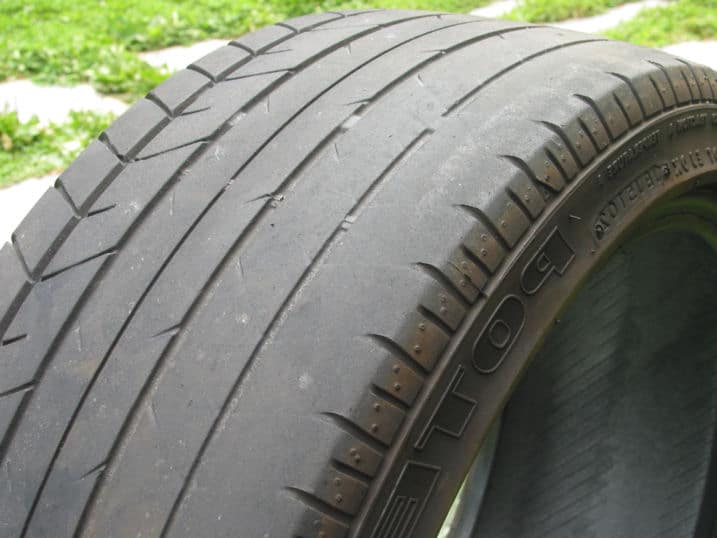
Routine maintenance also provides an opportunity to evaluate tire condition. Uneven tire wear may indicate alignment or suspension issues that require attention. Addressing these concerns early can improve handling and extend tire lifespan.

Even if your vehicle appears to be operating normally, hidden issues may be developing beneath the surface. Regular service appointments provide peace of mind and reduce the likelihood of unexpected breakdowns.

Staying consistent with these intervals helps ensure reliable performance while supporting long-term vehicle value and fuel efficiency.

Auto Repair Shop

Schedule Seasonal Vehicle Inspections

Seasonal changes can place unique demands on your vehicle. Scheduling inspections before summer and winter can help prepare your car for changing conditions and reduce the risk of weather-related issues.

Cold temperatures can affect battery performance, tire pressure, and fluid viscosity. Winter inspections often focus on battery health, heating systems, and tire condition. Ensuring these components are functioning properly improves safety during colder months.

Summer conditions can also create challenges. High temperatures increase stress on cooling systems, air conditioning components, and engine fluids. A seasonal inspection can identify potential weaknesses before they lead to overheating or mechanical failure.

Drivers who regularly commute or take road trips may benefit significantly from seasonal maintenance checks. These appointments allow technicians to verify that critical systems are prepared for upcoming driving demands.

Preventive seasonal maintenance often costs far less than emergency repairs and helps maintain vehicle reliability throughout the year.

Pay Attention to Warning Signs Between Visits

While scheduled maintenance is important, vehicles sometimes require attention between service appointments. Recognizing warning signs early can prevent extensive damage and costly repairs.

Unusual noises such as grinding, squealing, or knocking often indicate mechanical issues. Changes in vehicle handling, steering responsiveness, or braking performance should also be evaluated promptly.

Dashboard warning lights provide another important indication that service may be necessary. Ignoring these alerts can allow problems to worsen over time. Even seemingly minor warnings may signal underlying mechanical concerns.

Fluid leaks, excessive exhaust smoke, or sudden decreases in fuel efficiency can also indicate the need for professional diagnosis. These symptoms often point to issues that require immediate attention.

Visiting an Auto Repair Shop in Plainfield when warning signs appear helps prevent minor concerns from developing into major mechanical failures. Early intervention typically results in faster repairs and lower overall costs.

Consider Your Driving Habits

Driving habits play a major role in determining maintenance frequency. Vehicles used primarily for short trips, stop-and-go traffic, or heavy hauling often require more frequent service.

Frequent short trips may prevent the engine from reaching optimal operating temperature. This can contribute to increased engine wear and moisture buildup. Drivers who primarily travel short distances may benefit from more frequent oil changes and inspections.

Heavy towing and hauling place additional stress on engines, transmissions, brakes, and suspension systems. Vehicles used for these purposes often require accelerated maintenance schedules.

Similarly, extensive highway driving may create less wear on certain components but still requires routine inspections and fluid maintenance. Understanding how your vehicle is used allows technicians to recommend appropriate service intervals.

By tailoring maintenance schedules to your driving habits, you can maximize vehicle performance and reduce the likelihood of unexpected repairs.

Keep Up with Brake and Tire Inspections

Brakes and tires are among the most important safety components on any vehicle. Regular inspections help ensure your car remains safe and responsive under various driving conditions.

Brake pads naturally wear down over time. Waiting too long to replace worn pads can lead to rotor damage and increased repair costs. Routine brake inspections allow technicians to identify wear before it becomes a safety concern.

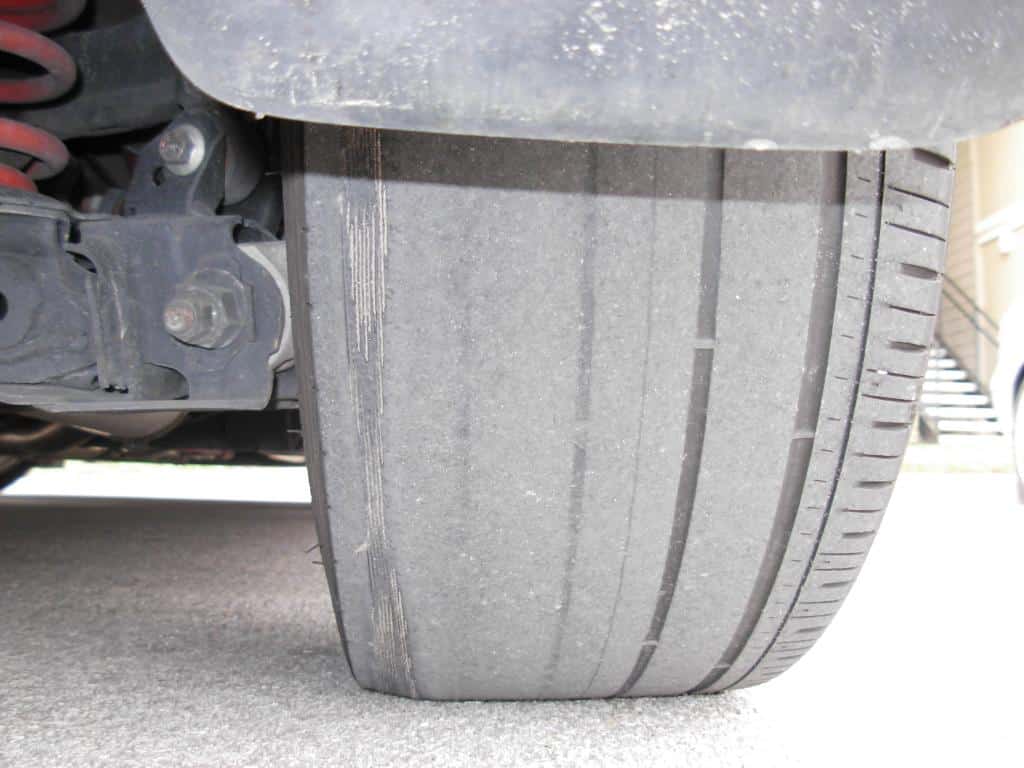
Tires also require consistent monitoring. Proper tire pressure, tread depth, and alignment contribute to vehicle stability and fuel efficiency. Uneven wear patterns may indicate suspension or alignment issues that require correction.

Many automotive professionals recommend inspecting brakes and tires during every routine maintenance visit. This approach provides ongoing visibility into their condition and allows for timely repairs or replacements.

Maintaining these critical components enhances safety while helping drivers avoid unexpected issues on the road.

Auto Repair Shop

Annual Comprehensive Vehicle Inspections Matter

Even if your vehicle receives regular maintenance, annual comprehensive inspections remain highly beneficial. These inspections provide a detailed assessment of systems that may not be evaluated during routine visits.

Technicians typically inspect suspension components, steering systems, exhaust systems, electrical connections, and drivetrain components. This broader evaluation helps identify developing issues that could otherwise go unnoticed.

Annual inspections are particularly valuable for older vehicles with higher mileage. As components age, wear patterns become more difficult to detect without professional assessment.

These inspections also support long-term budgeting by identifying future maintenance needs. Knowing which components may require service in the coming months allows vehicle owners to plan accordingly.

Scheduling a yearly inspection at an Auto Repair Shop in Plainfield can help ensure your vehicle remains dependable, safe, and efficient throughout its lifespan.

Build a Relationship with a Trusted Repair Shop

Establishing a long-term relationship with a reputable repair facility offers several advantages. Consistent service from the same technicians creates a detailed maintenance history that supports better diagnostic accuracy.

When technicians become familiar with your vehicle, they can more easily identify changes in performance and detect developing issues. This familiarity often leads to more efficient service and personalized recommendations.

A trusted repair shop can also provide valuable guidance regarding future maintenance priorities. Rather than reacting to problems as they occur, you gain a proactive partner focused on preserving vehicle reliability.

Regular visits foster transparency and communication, helping drivers make informed decisions about repairs and maintenance. Over time, this relationship can contribute to lower ownership costs and improved vehicle longevity.

Choosing an experienced automotive service provider creates confidence that your vehicle is receiving quality care whenever maintenance or repairs are needed.

Conclusion

Knowing how often to visit an automotive service provider depends on several factors, including manufacturer recommendations, driving habits, seasonal conditions, and vehicle age. Regular maintenance appointments, annual inspections, and prompt attention to warning signs all contribute to safer and more reliable vehicle performance. Consistent care helps prevent costly repairs while extending the lifespan of critical components.

If you are looking for dependable service from a trusted Auto Repair Shop in Plainfield, contact Last Chance Auto Repair For Cars Trucks. Their experienced team can help you stay on top of maintenance schedules, diagnose issues early, and keep your vehicle operating at its best. To schedule an appointment or learn more about available services, call +1 815-577-0327 today.


https://emonmd9195.podbean.com/e/how-often-should-i-visit-an-auto-repair-shop-in-plainfield/

https://www.podomatic.com/podcasts/emonmd9195podcast/episodes/2026-07-28T06_15_57-07_00

https://stream.redcircle.com/episodes/55fc0491-b554-41ad-9865-3d448acb3252/stream.mp3

How Long Does a Typical Auto Repair Take in Plainfield?

How Long Does a Typical Auto Repair Take in Plainfield?

When your vehicle needs service, one of the first questions you may ask is, “How long will the repair take?” Whether it’s a routine maintenance appointment or a major mechanical issue, understanding repair timelines can help you plan your day and avoid unnecessary stress. A trusted Auto Repair Shop in Plainfield can provide accurate estimates based on the type of repair, vehicle condition, and availability of parts.

Repair times vary significantly depending on the complexity of the problem and the expertise of the technicians handling the work. Some services can be completed in less than an hour, while others may require several days. Knowing what affects repair timelines allows vehicle owners to make informed decisions and maintain realistic expectations. This guide explains how long common auto repairs typically take in Plainfield and the factors that influence service completion times.

Understanding Auto Repair Timelines

Auto repair timelines are not always straightforward. Every vehicle issue is unique, and the time required for diagnosis and repair depends on several factors. The first step in any repair process is identifying the problem accurately. Technicians often perform inspections and diagnostic testing before beginning repairs.

Simple issues such as replacing a battery or changing engine oil generally take less time than diagnosing an intermittent electrical problem. Modern vehicles contain advanced technology and computerized systems, which can require additional testing to pinpoint the root cause of a malfunction.

Repair facilities also need to consider technician scheduling and shop workload. During busy seasons, appointments may be booked several days in advance, extending the overall timeline. While many repairs can be completed on the same day, more complex jobs may require extra time for quality checks and road testing before the vehicle is returned to the owner.

Understanding these variables helps customers recognize why repair estimates may differ from one situation to another and why professional diagnosis is essential before a precise timeline can be provided.

How Long Routine Maintenance Usually Takes

Routine maintenance is typically the quickest service performed at an automotive facility. Services such as oil changes, tire rotations, fluid checks, and basic inspections are designed to keep vehicles running efficiently and prevent larger issues from developing.

Most oil changes can be completed within 30 to 60 minutes. Tire rotations often take about the same amount of time, especially when performed alongside other maintenance procedures. Brake inspections and fluid top-offs may add a small amount of additional service time.

Many customers visiting an Auto Repair Shop in Plainfield schedule routine maintenance appointments to minimize wait times. Having an appointment allows technicians to prepare for the service and complete it more efficiently.

Auto Repair Shop

Diagnostic Services and Their Impact on Repair Time

Diagnostic testing is often the most important step in the repair process. Before technicians can fix a problem, they must accurately identify its cause. Modern vehicles rely heavily on computerized systems that monitor engine performance, emissions, transmission functions, and safety features.

A basic diagnostic scan may take less than an hour. However, more complicated issues can require extensive testing and evaluation. Electrical faults, intermittent warning lights, and performance concerns often demand additional investigation.

Technicians use specialized equipment to retrieve error codes and analyze system data. While diagnostic tools provide valuable information, they do not always pinpoint the exact failed component. Additional testing may be necessary to verify the source of the problem.

Investing time in accurate diagnostics ultimately saves time and money by preventing unnecessary repairs. A thorough diagnostic process helps ensure technicians address the actual issue rather than replacing parts based on assumptions. For this reason, some repair appointments may take longer initially but result in a more effective and lasting solution.

Typical Time Required for Brake Repairs

Brake repairs are among the most common automotive services performed today. The time required depends on the condition of the braking system and the specific components needing replacement.

Replacing brake pads typically takes one to two hours. If rotors require resurfacing or replacement, the service may take slightly longer. More extensive repairs involving calipers, brake lines, or hydraulic components can extend repair times significantly.

Vehicle type also influences service duration. Some vehicles provide easier access to braking components, while others require more labor-intensive procedures. Technicians must carefully inspect the entire braking system to ensure all components function properly.

After repairs are completed, test driving and quality inspections are essential. These final checks verify proper braking performance and safety before returning the vehicle to the customer.

Engine Repairs and Expected Completion Times

Engine repairs can range from relatively simple services to extensive mechanical work. Minor repairs such as replacing spark plugs, ignition coils, or sensors may be completed within a few hours.

More complex repairs involving timing components, cylinder heads, or internal engine parts often require multiple days. Engine diagnostics and disassembly take time, especially when technicians must inspect components thoroughly before proceeding.

Parts availability can also affect timelines. If specialized engine components must be ordered, repairs may be delayed until the necessary parts arrive. Fortunately, many common parts are readily available through local suppliers.

An experienced Auto Repair Shop in Plainfield will provide updates throughout the repair process and communicate any changes to estimated completion times. Transparent communication helps customers understand the progress of the repair and avoid unexpected delays.

Transmission Repair Timeframes

Transmission repairs often require more time than many other automotive services. The transmission is a highly complex component responsible for transferring power from the engine to the wheels.

Minor transmission services such as fluid changes or filter replacements may take only a few hours. However, diagnosing transmission issues can be more involved than standard repairs. Symptoms such as slipping gears, delayed shifting, or unusual noises require detailed testing.

If internal transmission components need repair or replacement, the vehicle may remain in the shop for several days. Rebuilding or replacing a transmission involves extensive labor and precise adjustments.

Many transmission repairs also require specialized equipment and post-repair testing. Technicians must verify proper operation under various driving conditions before considering the repair complete.

Auto Repair Shop

Factors That Can Delay Auto Repairs

Several factors can influence repair timelines beyond the actual repair itself. One of the most common causes of delay is parts availability. While many components are stocked locally, specialty parts may need to be ordered from manufacturers or distributors.

Vehicle age can also affect repair times. Older vehicles sometimes require harder-to-find parts, while newer vehicles may involve advanced systems that require additional diagnostic procedures.

Unexpected discoveries during repairs can extend timelines as well. Technicians occasionally uncover related issues once a vehicle is disassembled. Addressing these concerns may require additional authorization and labor.

Weather conditions and seasonal demand can also impact scheduling. During periods of increased vehicle travel, repair facilities often experience higher workloads and longer appointment wait times.

The Importance of Quality Control and Testing

Many vehicle owners focus solely on repair completion time, but quality control is equally important. After repairs are finished, technicians perform inspections and testing to verify that all systems function correctly.

Road testing allows technicians to evaluate vehicle performance under real-world conditions. This process helps confirm that repairs have resolved the original issue and that no additional concerns are present.

Quality control procedures may include checking fluid levels, verifying sensor readings, inspecting repaired components, and ensuring all safety systems operate properly. Although these steps add time to the process, they significantly reduce the likelihood of repeat visits.

A professional Auto Repair Shop in Plainfield prioritizes accuracy and safety over speed. Thorough testing ensures customers receive reliable repairs and confidence that their vehicle is ready for daily use.

How Vehicle Owners Can Help Speed Up Repairs

Vehicle owners play an important role in helping repairs proceed efficiently. Providing detailed information about symptoms can assist technicians in diagnosing problems more quickly.

Describing when the issue occurs, unusual noises, warning lights, or recent changes in vehicle performance helps narrow down potential causes. Bringing maintenance records can also provide valuable insight into the vehicle’s service history.

Scheduling appointments whenever possible helps reduce wait times and allows repair facilities to allocate resources appropriately. Prompt approval of recommended repairs can also prevent unnecessary delays once diagnostics are completed.

Maintaining routine service is another effective way to avoid lengthy repairs. Regular inspections often identify small issues before they develop into major mechanical failures requiring extensive labor.

Conclusion

The time required for auto repairs depends on the type of service, vehicle condition, diagnostic requirements, and parts availability. Routine maintenance may take less than an hour, while major engine or transmission repairs can require several days. Understanding these factors helps set realistic expectations and ensures a smoother repair experience. Working with a trusted repair facility also ensures that quality and safety remain priorities throughout the process.

If you need dependable automotive service, contact Last Chance Auto Repair For Cars Trucks in Plainfield. Their experienced team is committed to providing accurate diagnostics, professional repairs, and exceptional customer service. Call +1 815-577-0327 today to schedule an appointment and keep your vehicle performing at its best.


https://emonmd9195.podbean.com/e/how-long-does-a-typical-auto-repair-take-in-plainfield/

https://www.podomatic.com/podcasts/emonmd9195podcast/episodes/2026-07-28T06_25_45-07_00

https://stream.redcircle.com/episodes/917f3882-30ff-4a15-be60-f73708f6d738/stream.mp3

  • 1
  • 2
  • 3
  • …
  • 77
  • Next Page »

Reviews

[RICH_REVIEWS_SHOW category=”Auto Repair In Plainfield” num=”3″]
[RICH_REVIEWS_SNIPPET category=”all”]

Facebook Posts

Last Chance Auto Repair For Cars Trucks

2 weeks ago

Last Chance Auto Repair For Cars Trucks
Need a reliable car mechanic?

... See MoreSee Less

Zayden cross gave Last Chance Auto Repair For Cars Trucks 5 stars. Check out the full review...

www.trustpilot.com

Honest and reliable car mechanic shop in Plainfield that includes reasonable prices and great w ...
View on Facebook
· Share

Share on Facebook Share on Twitter Share on LinkedIn Share by Email

Last Chance Auto Repair For Cars Trucks

2 weeks ago

Last Chance Auto Repair For Cars Trucks
Need a car repair near me?

... See MoreSee Less

Zyen Calder gave Last Chance Auto Repair For Cars Trucks 5 stars. Check out the full review...

www.trustpilot.com

A prime example of a local family owned and operated business. I'm all about supporting local a ...
View on Facebook
· Share

Share on Facebook Share on Twitter Share on LinkedIn Share by Email

Last Chance Auto Repair For Cars Trucks

1 month ago

Last Chance Auto Repair For Cars Trucks
Are you a mechanic looking for a new home, more money, respect? Last Chance Auto Repair is hiring! ... See MoreSee Less

This content isn't available right now

When this happens, it's usually because the owner only shared it with a small group of people, changed who can see it or it's been deleted.
View on Facebook
· Share

Share on Facebook Share on Twitter Share on LinkedIn Share by Email

Best Auto Repair Shop in Plainfield, IL

Recent Posts

  • Do Auto Repair Shops in Plainfield Provide Diagnostic Services?
  • How Often Should I Visit an Auto Repair Shop in Plainfield?
  • How Long Does a Typical Auto Repair Take in Plainfield?
  • What Makes a Trusted Auto Repair Shop in Plainfield Stand Out?
  • Why Choose a Certified Auto Repair Shop for Repairs?

Contact Us

12052 S Naper Plainfield Rd
Plainfield, IL 60585
(815) 577-0327
info@lastchanceautorepairs.com

Contact Us

12052 S Naper Plainfield Rd
Plainfield, IL 60585
(815) 577-0327
info@lastchanceautorepairs.com

Service Area

Plainfield, 60585, 60544, 60586, Naperville, 60564, Bolingbrook, 60490, 60440, Romeoville, 60446, Will, Kendall, DuPage, Counties. Our auto repair shop in Plainfield, IL, has been serving the local area plus all surrounding Chicagoland since 1978.

Learn About Naperville, IL

Learn About Plainfield, Illinois

Specialties

• Computer Diagnostic • Brake Shop • Engine Replacement • Transmission Rebuild • Clutch Replacement • Differential Rebuild • Suspension Shop • Steering • Shocks & Struts • Heating & Cooling • Electrical • Exhaust Shop • Catalytic Converter Replacement • Alignment • Domestic & Foreign Vehicle Service • Auto Repair In Plainfield, IL • Auto Repair Shops Near Me • Towing Service Near Me

Last Chance Auto Repair In Plainfield, IL | Copyright © 1978 - 2026 | All Rights Reserved | (815) 577-0327