There is no reliable nationwide evidence that police stop one particular car color more than others. Red cars are often said to be pulled over the most, but this is largely an automotive myth. Traffic stops are usually based on speeding, unsafe driving, equipment violations, location, and driver behavior, not paint color.
If you’re worried about traffic stops, driving safely and keeping your vehicle legal are much more important than choosing a specific color.
Do Police Stop Red Cars More Often?
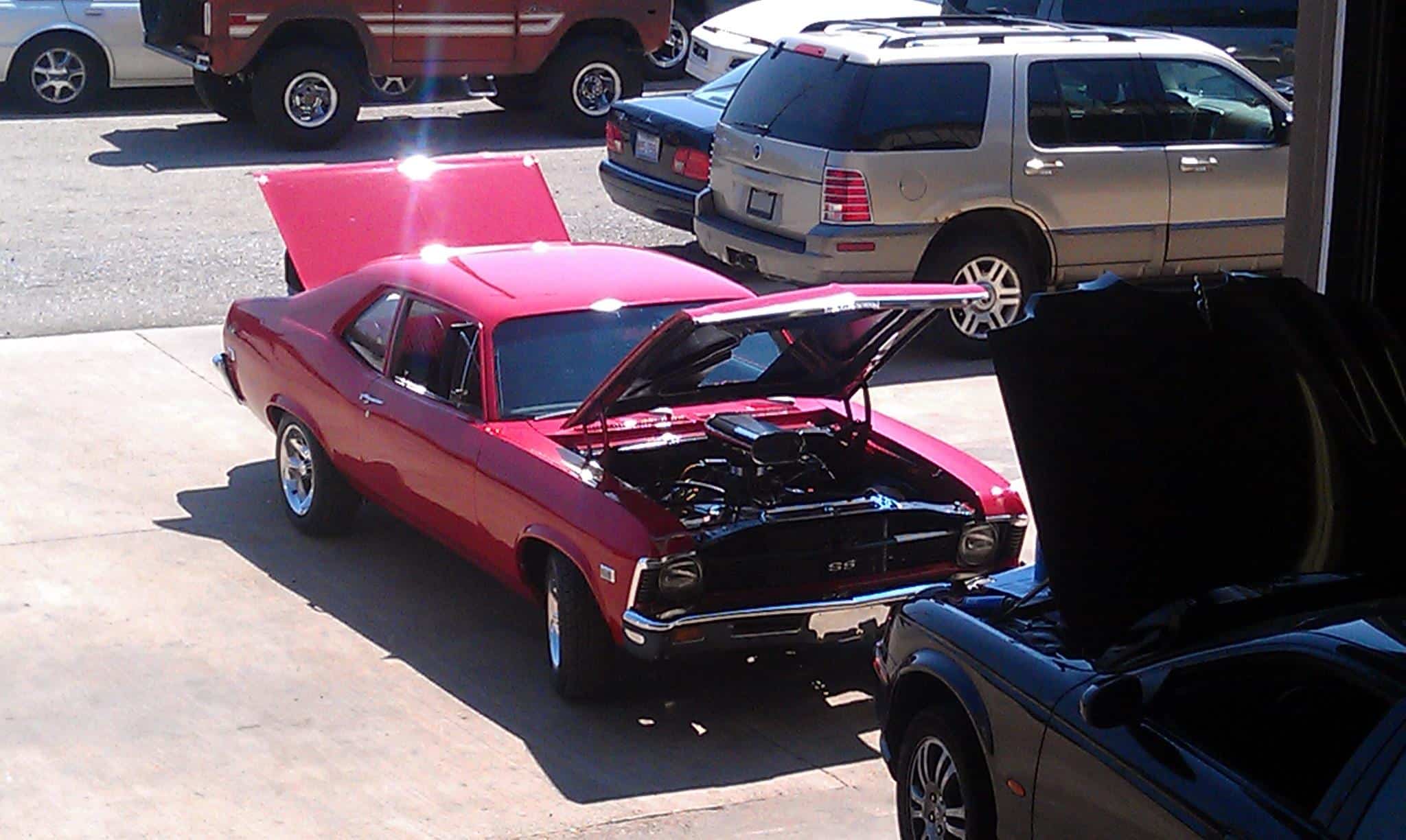
Not necessarily. Red is commonly claimed to be the most frequently stopped car color, but there is no comprehensive national data proving that red cars have a higher stop rate than other colors.
Red vehicles may simply be easier to notice because of their bright appearance. The color can also be associated with sports cars and performance vehicles, which may contribute to the perception that red cars receive more police attention.
What Actually Causes Most Traffic Stops?
Driver behavior matters much more than vehicle color. Common reasons for traffic stops include:
- Speeding
- Running red lights or stop signs
- Unsafe lane changes
- Failure to signal
- Following too closely
- Distracted driving
- Aggressive driving
- Broken equipment
- Registration or plate problems
For example, a gray sedan speeding significantly over the limit is more likely to attract police attention than a red car being driven legally.
What Color Car Gets Pulled Over the Most?
There isn’t enough reliable nationwide data to definitively identify which car color gets pulled over the most.
Online claims may rank red, black, white, gray, or silver vehicles as the most frequently stopped. However, these claims can be misleading because they may only look at the total number of stops rather than the percentage of vehicles of each color that are stopped.
Why Do Raw Numbers Matter?
If there are millions of white cars on the road but only thousands of red cars, white vehicles could have more total traffic stops simply because there are more of them.
Therefore, the color with the most traffic stops isn’t necessarily the color most likely to be stopped.
Does Car Color Affect Police Attention?
It can potentially affect visibility, but that doesn’t mean police systematically target certain colors.
Bright or unusual vehicles may stand out more than common gray, silver, or black vehicles. However, an officer noticing a vehicle does not automatically mean there is a legal reason to stop it.
Vehicle condition and modifications may be more important than paint color. Loud exhaust, illegal tint, missing plates, broken lights, aggressive acceleration, and other violations can attract attention.
Are Red Cars More Likely to Get Speeding Tickets?
There is no strong evidence that red cars receive more speeding tickets simply because they are red.
Speed and driving behavior are the important factors. A driver exceeding the speed limit can be stopped regardless of whether the vehicle is red, black, white, blue, or another color.
Do Black Cars Get Pulled Over More?
There is no conclusive evidence that black cars are systematically stopped more often because of their color.
Black vehicles are common, so they may appear frequently in traffic-stop statistics. A high number of stops does not necessarily mean that black cars have a higher stop rate.
What About White and Silver Cars?
White and silver vehicles are also extremely common. Their large numbers can result in many traffic stops even when their individual stop rates aren’t unusually high.
For this reason, claims that white or silver cars are stopped the most should be considered carefully unless the statistics account for how many vehicles of each color are actually on the road.
Does Vehicle Type Matter More Than Color?
In many cases, vehicle type and driver behavior can matter more than paint color.
Sports cars, trucks, and modified vehicles may attract attention because of their sound, acceleration, appearance, or equipment. However, no vehicle type automatically means a driver will be stopped.
A sports car driven responsibly can avoid traffic violations just like any other vehicle.
Can Police Pull You Over Just Because of Your Car’s Color?
Generally, a normal vehicle paint color is not a traffic violation.
Traffic-stop laws vary by jurisdiction, but officers generally need an appropriate legal basis for a stop. Driving a red, black, white, blue, gray, or other legal color does not by itself mean you should expect to be pulled over.
What Vehicle Features Can Increase the Risk of a Traffic Stop?
Certain vehicle issues can attract police attention, including:
- Excessively dark or illegal window tint
- Loud or non-compliant exhaust
- Missing or improperly displayed plates
- Broken headlights or brake lights
- Illegal lighting or suspension modifications
- Unsafe or aggressive driving
Keeping your vehicle properly maintained and compliant with local laws can help reduce avoidable stops.
How Can You Reduce Your Chances of Being Pulled Over?
Focus on factors you can control:
- Follow the speed limit.
- Use your turn signals.
- Avoid distracted or aggressive driving.
- Keep lights, tires, mirrors, and other equipment working.
- Keep registration and inspections current.
- Follow local laws regarding tint, exhaust, plates, and modifications.
Choosing a particular car color is far less important than responsible driving.
Does Car Color Affect Insurance Rates?
Generally, car color does not significantly affect standard auto insurance rates.
Insurance companies typically consider factors such as driving history, location, vehicle model, claims history, coverage, deductible, and vehicle use. The belief that red cars automatically cost more to insure is another common car myth.
What Color Car Is Best to Buy?
Choose a vehicle based on factors that have a greater effect on ownership, including:
- Reliability
- Safety
- Fuel economy
- Repair costs
- Insurance costs
- Maintenance needs
- Vehicle condition
- Parts availability
Choose the color you like rather than selecting a vehicle based on fears about traffic stops.
Frequently Asked Questions
What color car do police stop the most?
There is no reliable nationwide evidence proving that one color is consistently stopped more than others. Red is commonly claimed to be the most frequently stopped, but this has not been established as a national fact.
Do red cars get more speeding tickets?
No strong evidence shows that red paint causes more speeding tickets. Speed, driving behavior, road conditions, and enforcement are more important factors.
Are black cars more likely to be pulled over?
There is no conclusive evidence that black cars are systematically stopped more because of their color. Their popularity may explain why they appear frequently in traffic-stop statistics.
What makes a car more likely to get pulled over?
Speeding, unsafe lane changes, defective lights, illegal tint, improper plates, aggressive driving, and other observable violations can increase the likelihood of a traffic stop.
Does car color affect insurance?
Typically, no. Insurance rates are generally based on driving history, location, vehicle type, claims, coverage, and other underwriting factors rather than paint color.
What color car is safest?
There is no universally safest car color. Vehicle safety features, responsible driving, road conditions, and proper maintenance have a much greater effect on safety.
Conclusion
So, what color car do police stop the most? The popular answer is red, but there is no convincing nationwide evidence that red cars are inherently pulled over more often than other colors.
Traffic stops are influenced much more by speed, driving behavior, vehicle equipment, location, and traffic conditions. Instead of worrying about your vehicle’s paint color, focus on safe driving and keeping your vehicle properly maintained and legally equipped.
For Car Repair Plainfield IL, Car Repair Near Me, Auto Repair, Auto Repair Near Me, Automotive Repair, Brake Shop, Brake Repair Plainfield IL, or Brake Service, contact Last Chance Auto Repair For Cars Trucks in Plainfield, IL.
Call 815-577-0327 for professional car and truck diagnostics, maintenance, brake service, and automotive repair.
