
There isn’t one car that is universally considered the hardest car to fix. However, some vehicles are much more difficult and expensive to repair because of complicated engine layouts, limited component access, advanced electronics, specialized tools, and tightly packed engine bays.
The most challenging vehicles often include European luxury cars, exotic sports cars, V12s, hybrids, electric vehicles, turbocharged performance cars, and heavily modified vehicles. Repair difficulty depends less on a vehicle’s price and more on how it is engineered.
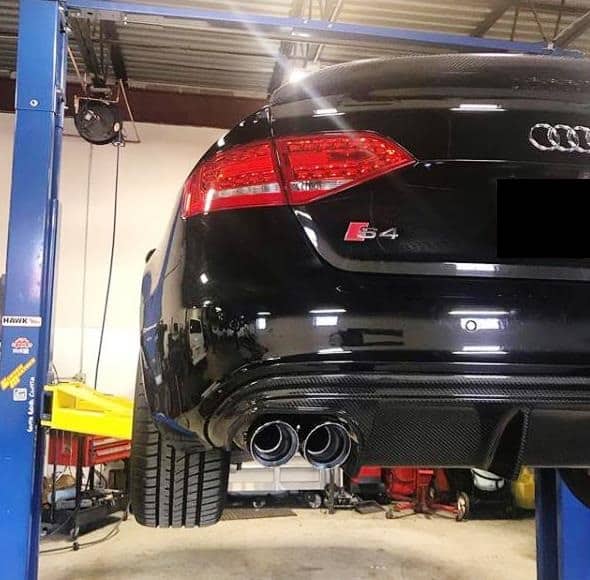
What Makes a Car Hard to Fix?
Several factors can make automotive repair more difficult.
Limited Access to Components
A repair becomes more time-consuming when technicians cannot easily reach the failed component. Parts may be located behind the engine, transmission, dashboard, exhaust, suspension, wiring, or other components.
Complex Engine Layouts
Inline-four engines are generally easier to access than tightly packaged V6, V8, V10, or V12 engines. Turbochargers, superchargers, and additional cooling systems can also make repairs more complicated.
Advanced Electronics
Modern vehicles contain numerous control modules, sensors, cameras, and communication networks. Diagnosing a problem may require determining whether the issue is caused by a sensor, wiring, module, software, or another system.
Specialized Tools
Some vehicles require manufacturer-specific scan tools, programming equipment, timing tools, high-voltage equipment, or specialty fixtures. These requirements can limit which repair shops can properly service the vehicle.
Manufacturer-Specific Procedures
Certain repairs require programming, calibration, initialization, or precise mechanical procedures. Skipping these steps can create additional problems.
10 Types of Cars That Can Be Difficult to Fix
| Vehicle Type | Why It Can Be Difficult |
| Exotic supercars | Extremely tight packaging |
| European luxury cars | Complex systems and electronics |
| V12 vehicles | Crowded engine compartments |
| Turbo performance cars | Heat and limited access |
| Hybrid vehicles | Multiple power systems |
| EVs | High-voltage systems |
| Air-suspension vehicles | Specialized components |
| Luxury SUVs | Numerous electronic systems |
| Older rare cars | Difficult-to-find parts |
| Modified cars | Non-standard wiring and components |
Exotic Supercars
Exotic cars are among the hardest vehicles to repair because engineers prioritize performance, aerodynamics, weight, and compact packaging.
Mid-engine layouts, carbon-fiber structures, advanced cooling systems, specialized suspension, and sophisticated electronics can make even basic repairs labor-intensive. Replacement parts can also be expensive and difficult to source.
V12 Cars
V12 engines contain significantly more components than basic four-cylinder engines, including more spark plugs, injectors, ignition components, sensors, and exhaust components.
The biggest challenge is often access. Limited space around the engine can require technicians to remove surrounding components before reaching the part that needs repair.
European Luxury Vehicles
Some European luxury cars combine turbocharged engines, adaptive suspension, air suspension, electronic steering, advanced driver-assistance systems, and numerous control modules.
A warning light does not always identify the failed component. A communication fault could result from a sensor, wiring issue, weak battery, failed module, corrosion, or software problem. Proper diagnosis is therefore essential.
Hybrid Vehicles
Hybrid vehicles combine gasoline engines with electric motors, high-voltage batteries, inverters, regenerative braking, and battery-management systems.
Technicians need specialized training to safely work around high-voltage components. Insulated tools, protective equipment, voltage testing, and proper disconnect procedures may be required.
Electric Vehicles
EVs eliminate many traditional components, such as gasoline engines and exhaust systems, which can make certain repairs simpler.
However, EVs still contain sophisticated battery packs, electric motors, inverters, charging systems, thermal management systems, control modules, and software. High-voltage system repairs require specialized knowledge and equipment.
Turbocharged Performance Cars
Turbocharged performance vehicles can be difficult to repair because of turbochargers, intercoolers, charge piping, additional sensors, complex exhaust systems, and increased cooling requirements.
High temperatures and limited engine-bay space can make component removal and installation particularly challenging.
Cars With Air Suspension
Air suspension systems contain air springs, compressors, air lines, solenoids, height sensors, reservoirs, and control modules.
A suspension problem may therefore require both mechanical and electronic diagnosis. Some vehicles also require calibration after repairs.
Modern Luxury SUVs
Luxury SUVs can combine turbocharged engines, advanced transmissions, air suspension, adaptive dampers, four-wheel steering, cameras, radar, and other driver-assistance technology.
The greater the number of integrated systems, the more complicated diagnosis and repair can become.
Older Rare Cars
Older vehicles can be difficult to repair because replacement parts may no longer be readily available.
Technicians may have trouble finding sensors, control modules, body panels, engine components, trim, or specialized hardware. In some cases, parts must be rebuilt, sourced from specialty suppliers, or fabricated.
Heavily Modified Cars
Modified vehicles can be especially difficult to diagnose because their factory configuration may have been changed.
Engine swaps, turbo conversions, aftermarket wiring, custom suspension, modified fuel systems, non-factory computers, and performance tuning can all complicate troubleshooting.
What Is the Hardest Car Repair?
Some of the most challenging automotive repairs include:
- Engine replacement: Often requires extensive disassembly and careful installation.
- Transmission replacement: Modern transmissions can be heavy, complex, electronically controlled, and difficult to access.
- Timing-system repairs: Precise installation and significant disassembly may be required.
- Head gasket replacement: Some engines require extensive removal of components before the cylinder heads can be accessed.
- Electrical diagnostics: Intermittent faults can be difficult to reproduce and trace.
- High-voltage battery repair: Hybrid and EV battery work requires specialized safety procedures.
- ADAS calibration: Cameras and radar systems may require calibration after certain repairs.
Is the Most Expensive Car the Hardest to Fix?
Not necessarily.
A $100,000 vehicle can sometimes be easier to repair than a $30,000 vehicle. Repair difficulty depends on accessibility, engineering, component location, diagnostic complexity, parts availability, specialized equipment, and technician training.
Vehicle price and repair difficulty are separate issues.
Why Do Difficult Cars Cost More to Repair?
Repair costs include more than the time spent turning a wrench. Shops must account for technician expertise, diagnostic equipment, specialty tools, software subscriptions, overhead, equipment maintenance, and warranty obligations.
A component that is easy to reach on one vehicle may require removal of several other systems on another. This can dramatically increase labor time and the final repair bill.
What Should You Ask Before Approving a Major Repair?
Before spending thousands on a difficult repair, ask:
- What exactly failed?
- How was the problem confirmed?
- Is the repair necessary for safety?
- What happens if I don’t repair it?
- How many labor hours are estimated?
- What parts will be installed?
- Is programming or calibration required?
- What warranty is included?
- Are there other problems that should be addressed?
- Is the repair worthwhile based on the vehicle’s value?
A professional diagnosis can help you avoid replacing expensive parts unnecessarily.
How to Make Difficult Car Repairs Easier
Following the manufacturer’s maintenance schedule can help prevent some expensive failures. Keep up with oil, coolant, filters, brake fluid, transmission service, spark plugs, belts, tires, and brakes.
Don’t ignore warning signs such as check-engine lights, overheating, fluid leaks, unusual noises, battery warnings, transmission problems, or brake warnings.
It’s also smart to choose a technician familiar with your specific vehicle, especially when dealing with hybrids, EVs, luxury vehicles, or complicated electronic systems.
Frequently Asked Questions
Which car is the hardest to fix?
There isn’t one universally hardest car to repair. Exotic cars, V12 vehicles, European luxury cars, hybrids, EVs, and heavily modified vehicles can all be exceptionally difficult because of limited access, specialized tools, and complex systems.
What is the hardest part of a car to repair?
Engine replacements, transmission repairs, timing-system work, electrical diagnostics, high-voltage battery repairs, and complicated suspension repairs are among the most challenging jobs. Difficulty depends on the vehicle and the specific problem.
Are luxury cars harder to repair?
They can be. Luxury vehicles often contain advanced electronics, specialized suspension, complex powertrains, and numerous control modules that increase diagnostic and repair requirements.
Are electric cars easier to repair?
Some repairs are simpler because EVs lack traditional engines and exhaust systems. However, battery packs, charging systems, power electronics, and software can require specialized training and equipment.
Why do some cars cost more to repair?
Repair costs depend on parts prices, labor time, accessibility, diagnostic requirements, specialized equipment, technician expertise, and whether programming or calibration is necessary.
Should I repair a difficult car?
Difficulty alone doesn’t mean a vehicle should be replaced. Compare the repair cost with the vehicle’s value, condition, maintenance history, and likelihood of additional repairs.
Conclusion
So, which car is the hardest to fix? There is no single answer. Exotic supercars, V12 vehicles, European luxury cars, hybrids, EVs, turbocharged performance cars, air-suspension vehicles, older rare cars, and heavily modified vehicles can all present significant repair challenges.
The common factor is complexity. Limited component access, specialized tools, advanced electronics, programming, calibration, and difficult diagnostics can all increase repair time and cost.
If your vehicle has a warning light, unusual noise, brake issue, electrical fault, engine problem, or transmission concern, getting a professional diagnosis before replacing expensive components can save you money.
For Car Repair Plainfield IL, Car Repair Near Me, Auto Repair, Auto Repair Near Me, Automotive Repair, Brake Shop, Brake Repair, Brake Repair Plainfield IL, or Brake Service, contact Last Chance Auto Repair For Cars Trucks in Plainfield, IL.
Call 815-577-0327 for professional automotive diagnostics, maintenance, brake service, and car and truck repair.
