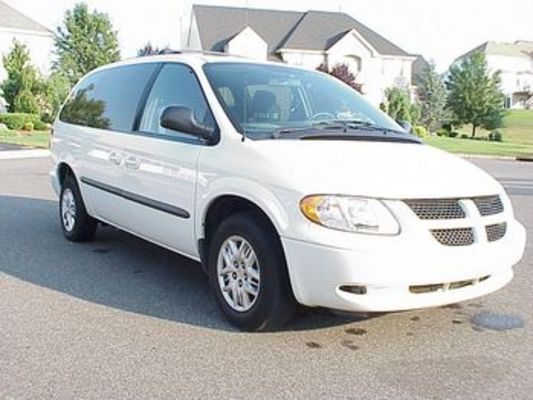
There is no official list of the 10 worst cars of all time, because “worst” can mean unreliable, unsafe, poorly engineered, expensive to maintain, or simply unsuccessful. However, several vehicles repeatedly appear on historical worst-car lists because of serious problems with reliability, safety, performance, quality, or value.
Some of the most notorious examples include the Pontiac Aztek, Yugo GV, Ford Pinto, Chevrolet Vega, Cadillac Cimarron, AMC Gremlin, Chrysler PT Cruiser, Ford Mustang II, Chevrolet Citation, and Trabant.
It’s also important to consider the era in which these cars were built. Older vehicles were designed under very different safety, emissions, manufacturing, and technology standards than modern cars.
The 10 Worst Cars of All Time
| Rank | Vehicle | Main Problem |
| 1 | Pontiac Aztek | Design and market failure |
| 2 | Yugo GV | Build quality and reliability |
| 3 | Ford Pinto | Fuel-system safety concerns |
| 4 | Chevrolet Vega | Engine and corrosion problems |
| 5 | Cadillac Cimarron | Poor luxury execution |
| 6 | AMC Gremlin | Compromised design and quality |
| 7 | Chrysler PT Cruiser | Reliability and driving dynamics |
| 8 | Ford Mustang II | Weak performance |
| 9 | Chevrolet Citation | Quality and reliability |
| 10 | Trabant | Primitive engineering |
This is not an official industry ranking. It combines vehicles frequently mentioned on historical worst-car lists with considerations such as engineering, safety, reliability, value, and reputation.
1. Pontiac Aztek
The Pontiac Aztek is one of the most famous automotive failures. Produced from 2001 to 2005, it attempted to combine SUV practicality with an “active lifestyle” image.
Its unusual styling became its biggest weakness. Critics also complained about poor rear visibility, awkward cargo access, a stiff ride, clumsy handling, and mediocre performance.
Edmunds ranked the 2001 Aztek first on its list of the 100 worst cars of all time.
2. Yugo GV
The Yugo GV became a symbol of cheap automotive quality. Introduced in the United States in 1985 at a very low price, it attracted buyers primarily through affordability.
Unfortunately, owners reported problems involving build quality, electrical systems, overheating, performance, and reliability. Its reputation became so negative that “Yugo” eventually became shorthand for a terrible car.
The key lesson is that a low purchase price doesn’t always mean low ownership costs. Repairs, maintenance, downtime, and parts can make an inexpensive vehicle costly to own.
3. Ford Pinto
The Ford Pinto, introduced for 1971, is remembered primarily for its controversial safety history.
Concerns surrounding its fuel-system design and the risk of fires during certain rear-end collisions made the Pinto one of the most infamous vehicles in automotive history.
Its reputation demonstrates that safety engineering is just as important as fuel economy, performance, and price when evaluating a vehicle.
4. Chevrolet Vega
The Chevrolet Vega was launched as an affordable compact intended to compete with increasingly popular imports.
However, the Vega developed a reputation for engine durability problems, oil consumption, corrosion, and poor build quality. Edmunds ranked the 1971 Vega among the worst cars in its historical ranking.
The Vega shows how promising engineering can be undermined by manufacturing and durability problems.
5. Cadillac Cimarron
The Cadillac Cimarron is frequently cited as an example of unsuccessful badge engineering. Cadillac wanted a smaller luxury vehicle, but the Cimarron was closely related to the Chevrolet Cavalier.
Although it carried the Cadillac name, buyers expected more performance, refinement, quality, and luxury than the car delivered.
The lesson is simple: a prestigious badge cannot compensate for a product that fails to meet customer expectations.
6. AMC Gremlin
The AMC Gremlin was introduced in 1970 as AMC’s answer to the growing compact-car market.
Its unusual proportions and shortened design made it distinctive, but also created compromises in practicality, handling, styling, and refinement.
Despite its reputation, the Gremlin has gained some nostalgic and collector interest. This proves that a historically unpopular car can still become interesting to enthusiasts decades later.
7. Chrysler PT Cruiser
The Chrysler PT Cruiser became famous for its retro styling and distinctive appearance. It was also commercially successful.
However, critics complained about its handling, performance, interior quality, visibility, maintenance access, and reliability.
The PT Cruiser demonstrates that a vehicle can sell well despite engineering shortcomings. Styling, marketing, pricing, and consumer trends can strongly influence sales.
8. Ford Mustang II
The Ford Mustang II remains controversial. It was smaller and less powerful than earlier Mustangs, but it arrived during the fuel crisis of the 1970s when buyers increasingly wanted smaller, more economical vehicles.
Enthusiasts criticized its reduced performance and compact-car platform. However, it sold well, showing that a vehicle can be commercially successful while disappointing performance enthusiasts.
9. Chevrolet Citation
The Chevrolet Citation launched for the 1980 model year as an important new front-wheel-drive compact for General Motors.
Initial sales were strong, but reliability, quality, braking, handling, and mechanical concerns eventually damaged its reputation.
The Citation is a reminder that impressive first-year sales do not necessarily translate into long-term product success.
10. Trabant
The Trabant was produced in East Germany for decades and became famous for its primitive engineering and construction.
It featured modest performance, outdated two-stroke engine technology, basic construction, and limited refinement.
However, the Trabant should be viewed in its historical context. It was produced within a very different economic and industrial system and was not designed to compete directly with modern Western vehicles.
What Makes a Car One of the Worst Ever?
Several patterns appear across these vehicles:
- Poor reliability: Frequent breakdowns can make ownership expensive.
- Safety problems: Fundamental safety deficiencies can permanently damage a vehicle’s reputation.
- Poor engineering: Weak components or flawed designs can create expensive failures.
- Bad value: A high price combined with poor quality creates disappointment.
- Poor quality control: Manufacturing problems can ruin an otherwise promising vehicle.
- Bad positioning: The Cadillac Cimarron is a classic example of a product that couldn’t meet the expectations created by its brand.
- Failed design: Some vehicles simply get important fundamentals wrong.
Worst Car Doesn’t Always Mean Least Reliable
” worst” can mean different things.
| Category | Example |
| Reliability | Yugo GV |
| Safety controversy | Ford Pinto |
| Poor design | Pontiac Aztek |
| Luxury execution | Cadillac Cimarron |
| Performance | Mustang II |
| Build quality | Chevrolet Vega |
| Primitive engineering | Trabant |
| Overall refinement | PT Cruiser |
A car can be mechanically reliable but unpleasant to drive, while another may be attractive but expensive to maintain.
What Can Today’s Car Buyers Learn?
Don’t buy a used vehicle based solely on its appearance or price. Research the specific model year, common failures, maintenance history, mileage, accident history, and ownership costs.
A professional pre-purchase inspection can also uncover expensive problems before you buy.
Pay attention to major systems such as:
- Engine
- Transmission
- Brakes
- Suspension
- Cooling system
- Electrical components
- Air conditioning
- Electronics
For older vehicles, major repairs can quickly change the repair-versus-replace decision. Engine replacement can potentially cost $4,000–$12,000+, while transmission replacement may run approximately $3,000–$8,000+, depending on the vehicle, parts, labor, and damage.
Frequently Asked Questions
What is considered the worst car of all time?
There is no universally accepted answer, but the Pontiac Aztek is one of the most frequently cited candidates. Edmunds ranked the 2001 Aztek first on its historical list of the 100 worst cars.
What was the worst car for reliability?
The answer depends on the model and year, but the Yugo GV became particularly famous for poor build quality and reliability complaints.
Was the Ford Pinto really dangerous?
The Pinto became infamous because of concerns involving its fuel-system design and the possibility of fires in certain rear-end collisions.
Why was the Pontiac Aztek considered so bad?
The Aztek was criticized for its styling, packaging, ride, handling, rear visibility, and overall market positioning.
Is the PT Cruiser really one of the worst cars ever?
The PT Cruiser has appeared on several historical worst-car lists, but it was also commercially successful. Its reputation is therefore more complicated than simply calling it a universally bad vehicle.
Should I avoid every car on a worst-car list?
Not necessarily. A vehicle’s specific condition, maintenance history, mileage, accident history, and model year can matter as much as its overall reputation.
Conclusion
The Pontiac Aztek, Yugo GV, Ford Pinto, Chevrolet Vega, Cadillac Cimarron, AMC Gremlin, Chrysler PT Cruiser, Ford Mustang II, Chevrolet Citation, and Trabant are among the most notorious cars in automotive history.
They earned their reputations for different reasons, including poor reliability, safety concerns, weak engineering, bad design, disappointing performance, and poor value.
For today’s used-car buyer, the biggest lesson is to look beyond reputation. Research the specific vehicle, inspect its condition, review its maintenance history, and have a qualified mechanic diagnose any major problems before making a purchase.
If you need Car Repair Plainfield IL, Car Repair Near Me, Auto Repair, Auto Repair Near Me, Automotive Repair, Brake Shop, Brake Repair, Brake Repair Plainfield IL, or Brake Service, contact Last Chance Auto Repair For Cars Trucks in Plainfield, IL.
Call 815-577-0327 for professional car and truck diagnostics, maintenance, brake service, and automotive repair.