Last Chance Auto Repair

Auto Repair Shop In Plainfield, IL

Auto Repair Shop In Plainfield, IL

Auto Repair In Plainfield At Its Finest. Serving Plainfield, Naperville, Bolingbrook, Romeoville, Chicagoland since 1978.

  • Services
        • Brake Repair
          • Brakes Near Me
          • Brakes Plainfield
          • Brakes Naperville
          • Brakes Bolingbrook
          • Brake Rotor Replacement
          • Save On Brakes
        • Emissions Repair
        • Asian Repair
        • European Repair
        • Classic & Vintage
        • Truck Repair
          • Medium Duty Repair
        • Fleet Repair
        • Charging System Repair
          • Alternator Repair
          • Alternator Replacement
        • A/C Repair
          • A/C Recharge Service
          • A/C Condenser Repair
          • A/C Compressor Repair
        • Cooling System
          • Radiator Services
          • Water Pump Replacement
          • Thermostat Replacement
        • Steering System
        • Auto Maintenance
          • Auto Tune-Up
          • Oil Change
          • Batteries
        • Engine Services
          • Starter Replacement
          • Timing Belt Replacement
          • Timing Chain Replacement
          • Cylinder Heads
          • Auto Machine Shop
        • Transmissions
          • Clutch Replacement
          • Torque Converter Replacement
        • Transfer Cases
        • Carburetors
        • Driveshaft Service
        • Diesel Repair
        • Electrical Repair
        • Suspension Repair
          • Shocks & Struts
          • Ball Joint Replacement
          • Alignment Shop
        • Exhaust Repair
          • Catalytic Converter
        • Differential Repair
        • Diagnostic
        • Auto Glass Repair
        • Auto Body Shop
        • Welding Service
        • Vehicle Inspection
        • Tire Replacement
  • Vehicles
          • DOMESTIC
          • Buick Repair
          • Cadillac Repair
          • Chevrolet Repair
          • Corvette Repair
          • Dodge Repair
          • Ford Repair
          • GMC Repair
          • Hummer Repair
          • Jeep Repair
          • RAM Repair
          • ASIAN
          • Acura Repair
          • Daewoo Repair
          • Honda Repair
          • Hyundai Repair
          • Infiniti Repair
          • Isuzu Repair
          • KIA Repair
          • Lexus Repair
          • Mazda Repair
          • Nissan Repair
          • Mitsubishi Repair
          • Scion Repair
          • Subaru Repair
          • Suzuki Repair
          • Toyota Repair
          • EUROPEAN
          • BMW Repair
          • Fiat Repair
          • Jaguar Repair
          • Land Rover Repair
          • Mercedes Benz Repair
          • MINI Cooper Repair
          • Porsche Repair
          • Saab Repair
          • Smart Repair
          • Volkswagen Repair
          • Volvo Repair
  • Towing
        • 24 Hour Towing
        • Towing Plainfield
        • Towing Bolingbrook
        • Roadside Assistance
        • Lockout Service
        • Jump Start Service
        • Mobile Battery Replacement
        • Toolbox Towing
  • Storage
    • Outdoor Car Storage
  • Coupons
        • Low Cost Guaranteed
        • Transmissions
        • Free Brake Inspection
        • Air Conditioning
        • Oil Change Specials
        • Free Computer Scan
        • Teacher Discount
        • Senior Citizen Discount
  • Blog
  • About Us
    • Reviews
    • Now Hiring
    • Mechanic Jobs
    • Brake Repair FAQs
  • Contact Us
  • Write A Review

Understanding Catalytic Converter Replacement

Understanding Catalytic Converter Replacement

Learn the essentials of catalytic converter replacement for efficient car performance

If you’re a car owner, you’ve likely heard about the catalytic converter—a crucial component of your vehicle’s exhaust system. Understanding its role, knowing when it needs replacement, and navigating through the process can ensure your car continues to run smoothly while staying environmentally friendly. In this comprehensive guide, we’ll delve into everything you need to know about catalytic converter replacement, from its function to the signs of failure, and the steps involved in replacing it.

What is a Catalytic Converter?

Automotive Repair

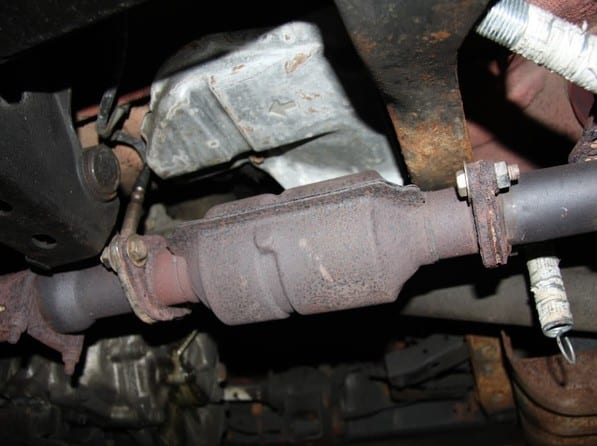
A catalytic converter is a crucial component integrated into the exhaust system of a vehicle, designed specifically to mitigate harmful emissions. Its primary function revolves around the conversion of toxic gases, including carbon monoxide, hydrocarbons, and nitrogen oxides, into less harmful substances such as carbon dioxide and water vapor. This process occurs through a series of chemical reactions catalyzed by precious metals like platinum, palladium, and rhodium housed within the converter.

By facilitating these chemical transformations, catalytic converters play a pivotal role in reducing air pollution emitted by vehicles. They are essential not only for improving air quality but also for ensuring compliance with stringent emission standards set by environmental regulatory bodies worldwide. Thus, catalytic converters are integral to modern vehicles, contributing significantly to environmental sustainability efforts globally. Regular maintenance and timely replacement of worn-out converters are crucial to ensuring their continued effectiveness in minimizing vehicular emissions and promoting cleaner air for all.

Signs Your Catalytic Converter Needs Replacement

Over time, catalytic converters can wear out or become clogged, leading to diminished performance and increased emissions. Here are some common signs that indicate it might be time to replace your catalytic converter:

Check Engine Light

The check engine light illuminates when the catalytic converter isn’t functioning optimally, indicating potential issues ranging from inefficiency to serious problems affecting emission control and engine performance.

Decreased Engine Performance

A failing catalytic converter can cause noticeable engine roughness or misfiring, especially evident during acceleration or uphill driving, due to compromised exhaust flow and emission control.

Increased Emissions

Failing emissions tests or detecting a strong odor of sulfur or rotten eggs from the exhaust suggests that the catalytic converter is no longer effectively converting harmful gases into less harmful ones.

Rattling Noises

Rattling sounds from the catalytic converter indicate internal damage, often caused by loose parts or a broken substrate, compromising its ability to function properly.

Reduced Fuel Efficiency

When a catalytic converter fails, it disrupts the engine’s combustion process, leading to decreased fuel efficiency and increased fuel consumption as the engine struggles to operate efficiently.

Factors Affecting Catalytic Converter Lifespan
Last Chance Auto Repair

Several factors can influence how long your catalytic converter lasts before needing replacement:

  • Driving Conditions: Stop-and-go city driving or short trips can shorten the lifespan of a catalytic converter compared to highway driving.
  • Quality of Fuel: Low-quality fuel or fuel contaminated with excessive sulfur can accelerate the deterioration of the catalytic converter.
  • Engine Maintenance: Regular maintenance of your vehicle, including timely oil changes and tune-ups, can help prolong the life of the catalytic converter.
  • Environmental Factors: Exposure to road salt, moisture, and extreme temperatures can contribute to corrosion and damage to the catalytic converter.

Catalytic Converter Replacement Process

If you suspect issues with your catalytic converter based on the symptoms mentioned earlier, it’s crucial to have your vehicle inspected by a qualified mechanic. Here’s a general overview of what to expect during the catalytic converter replacement process:

Diagnosis

 A qualified mechanic conducts diagnostic tests to pinpoint catalytic converter issues, distinguishing them from other exhaust system components. These tests involve analyzing exhaust gases and using diagnostic tools to identify specific problems affecting emissions and engine performance.

Choosing a Replacement

Mechanics consider your vehicle’s make and model to select the appropriate replacement catalytic converter. Factors such as emissions standards compliance, engine specifications, and budget influence the choice. They ensure the replacement meets performance requirements while aligning with your financial considerations.

Installation

The existing catalytic converter is carefully removed from the exhaust system, often requiring welding or bolting depending on the vehicle’s design. This process demands precision to avoid damage to surrounding components and ensures proper alignment for optimal exhaust flow and emission control.

Testing

Post-installation, the mechanic conducts thorough testing of the new catalytic converter. This includes functional tests to verify its efficiency in converting harmful exhaust gases into less harmful emissions like carbon dioxide and water vapor. Testing ensures the catalytic converter operates effectively to meet emission reduction targets.

Emission Testing (if required)

Some regions mandate emission testing following catalytic converter replacement to ensure compliance with local environmental regulations. This final step confirms that the vehicle meets specified emission standards, validating the effectiveness of the replacement and ensuring environmental sustainability.

DIY vs. Professional Replacement

While some car enthusiasts may consider replacing the catalytic converter themselves, it’s generally recommended to have this done by a professional mechanic. Here are a few reasons why:

  • Expertise: Mechanics have the training and experience to properly diagnose catalytic converter issues and perform replacements correctly.
  • Equipment: Specialized tools and equipment may be required for catalytic converter replacement, which professional mechanics possess.
  • Warranty: Many repair shops offer warranties on parts and labor, providing peace of mind regarding the quality of the replacement.

Legal and Environmental Considerations

When replacing a catalytic converter, it’s essential to consider both legal requirements and environmental impact:

  • Emission Standards: Catalytic converters must meet specific emission standards set by regulatory agencies. Ensure the replacement converter is compliant with these standards.
  • Legal Compliance: In some regions, tampering with or removing a catalytic converter is illegal due to emissions regulations. Always consult local laws and regulations before replacing the catalytic converter.
  • Environmental Impact: Proper functioning of the catalytic converter is crucial for reducing your vehicle’s impact on the environment by lowering harmful emissions.

Cost of Catalytic Converter Replacement

The cost of catalytic converter replacement can vary widely based on several factors. These include the make and model of your vehicle, the type of catalytic converter needed (such as OEM or aftermarket), and local labor rates. Generally, replacement costs can range from a few hundred to several thousand dollars.

Labor costs play a significant role, as the replacement process involves accessing and potentially welding or bolting the new converter into place within the exhaust system. Additionally, the price of the catalytic converter itself varies depending on its construction and the presence of precious metals like platinum, palladium, and rhodium. Higher-end converters designed for performance or emission control may cost more upfront but can offer longer durability and better efficiency. It’s advisable to obtain multiple quotes from reputable automotive shops to compare prices and ensure you’re receiving a fair estimate for both parts and labor before proceeding with the replacement.

Benefits of Timely Replacement

Maintained Engine Performance

A new catalytic converter helps maintain optimal engine performance by ensuring efficient exhaust emission control. This results in smoother operation, improved acceleration, and overall better engine responsiveness.

Fuel Efficiency

A properly functioning catalytic converter contributes to better fuel efficiency. By facilitating the correct combustion of gases, it helps reduce fuel consumption, ultimately saving you money at the pump.

Environmental Impact

Timely replacement reduces harmful emissions, contributing to cleaner air and environmental sustainability. It helps your vehicle meet emission standards, minimizing its overall carbon footprint.

Legal Compliance

Many regions have strict emissions regulations that mandate functional catalytic converters. By replacing a failing converter promptly, you avoid potential fines and legal consequences associated with non-compliance.

Long-Term Cost Savings

While the initial cost of replacement may seem significant, it can prevent more expensive repairs or damage to other engine components caused by inefficient exhaust system operation. This proactive approach to maintenance can save you money in the long run.

Conclusion 

Comprehending catalytic converter replacement is crucial for sustaining vehicle performance and environmental responsibility. At Last Chance Auto Repair For Cars Trucks in Plainfield, IL, the significance of timely diagnosis and replacement is emphasized. Addressing signs such as decreased engine performance, increased emissions, and reduced fuel efficiency promptly helps drivers preserve engine health, enhance fuel economy, and comply with emissions regulations. Trusting expert guidance ensures that catalytic converter replacement is executed with precision and care, ensuring vehicles run smoothly and sustainably over time.

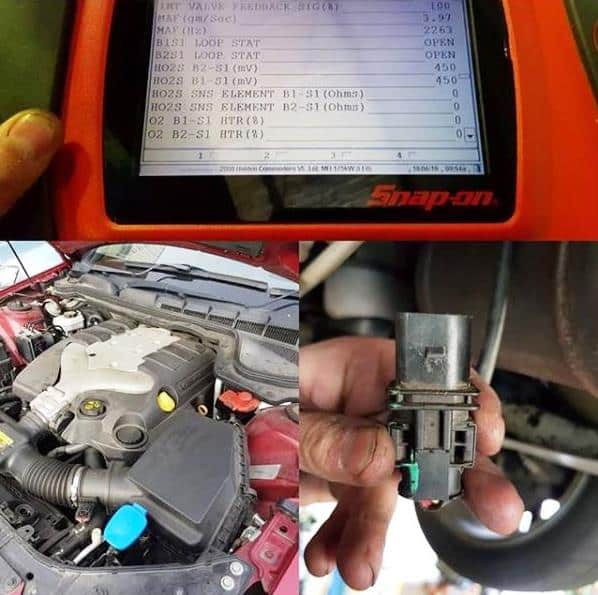
Understanding Computer Diagnostic in Vehicles

Understanding Computer Diagnostic in Vehicles

How Diagnostics Improve Car and Truck Performance

In today’s world, cars have evolved far beyond simple machines with engines and wheels. They are now complex, high-tech computers on wheels. This transformation has brought a new realm of possibilities, including the ability to diagnose and troubleshoot vehicle problems using advanced computer diagnostics. But what exactly does this entail, and why should you care? Let’s dive into the fascinating world of computer diagnostics in vehicles and understand its importance.

The Evolution of Vehicle Diagnostics

Auto Computer Diagnostics Plainfield, IL

Not so long ago, diagnosing a problem in a vehicle was a tedious and time-consuming task. Mechanics had to rely on their experience, a bit of luck, and some trial and error to pinpoint issues. This approach was far from perfect, often leading to misdiagnoses and prolonged repair times.

However, with the advent of computer diagnostics, the process has been revolutionized. Modern vehicles come equipped with numerous sensors and electronic control units (ECUs) that constantly monitor various systems and components. These ECUs are essentially small computers that can communicate with diagnostic tools, providing detailed information about the vehicle’s status.

What is Computer Diagnostics?

Computer diagnostics, in the context of vehicles, refers to the use of specialized software and tools to communicate with a vehicle’s onboard computer systems. This process involves retrieving diagnostic trouble codes (DTCs) and other data from the ECUs to identify any issues or malfunctions.

When a sensor detects a problem, it triggers a DTC, which is stored in the vehicle’s computer memory. These codes can be read using diagnostic tools, providing a starting point for diagnosing the issue. It’s like the vehicle’s way of telling the mechanic where to look.

How Do Computer Diagnostics Work?

Computer diagnostics rely on the onboard diagnostics (OBD) system, which is present in all modern vehicles. The OBD system is a standardized interface that allows diagnostic tools to communicate with the vehicle’s ECUs.

Here’s a simplified breakdown of how computer diagnostics work:

  • Data Collection: The vehicle’s sensors constantly monitor various parameters such as engine temperature, oxygen levels, and throttle position. This data is sent to the ECUs, which analyze it in real-time.
  • Error Detection: If any parameter goes out of its normal range, the ECU detects this anomaly and generates a DTC. For example, if the oxygen sensor detects an abnormal air-fuel mixture, it will trigger a code related to the fuel system.
  • Code Storage: The generated DTC is stored in the ECU’s memory, ready to be retrieved when a diagnostic tool is connected.
  • Diagnostic Tool Connection: When a mechanic connects a diagnostic tool to the OBD port (usually located under the dashboard), it establishes communication with the vehicle’s ECUs.
  • Code Retrieval: The diagnostic tool reads the stored DTCs and displays them on its screen. Each code corresponds to a specific issue, providing a clear direction for further investigation.
  • Troubleshooting: With the help of the retrieved codes and additional diagnostic data, the mechanic can pinpoint the exact cause of the problem and proceed with the necessary repairs.

The Benefits of Computer Diagnostics

Mechanic Shop

The shift from traditional diagnostic methods to computer diagnostics has brought numerous benefits to both vehicle owners and mechanics. Here are some of the key advantages:

Accuracy and Precision

Computer diagnostics significantly improve the accuracy of diagnosing vehicle issues. The ability to retrieve specific DTCs narrows down the potential causes, reducing guesswork and increasing the likelihood of correct diagnosis. This means fewer unnecessary repairs and replacements, saving both time and money.

Time Efficiency

Traditional diagnostic methods often required disassembling parts of the vehicle to identify problems. With computer diagnostics, this is no longer necessary. The process of retrieving and interpreting DTCs is quick and straightforward, allowing mechanics to diagnose issues faster and get vehicles back on the road sooner.

Preventive Maintenance

One of the most significant advantages of computer diagnostics is the ability to perform preventive maintenance. The system can detect minor issues before they become major problems, allowing vehicle owners to address them proactively. This not only extends the lifespan of the vehicle but also reduces the likelihood of unexpected breakdowns.

Enhanced Vehicle Performance

Modern vehicles are equipped with numerous performance-enhancing features, many of which are monitored and controlled by the ECUs. Computer diagnostics can help ensure these features are functioning optimally, leading to better overall performance and efficiency.

Detailed Insights

Computer diagnostics provide detailed insights into the vehicle’s health and performance. Mechanics can access a wealth of information, including real-time data, historical data, and freeze frame data (captured at the moment a DTC is triggered). This comprehensive view helps in understanding the root cause of issues and making informed repair decisions.

Common Diagnostic Tools

To harness the power of computer diagnostics, mechanics use specialized tools designed to interface with the vehicle’s OBD system. Here are some of the most common diagnostic tools:

OBD-II Scanners

OBD-II scanners are the most widely used diagnostic tools. They come in various forms, from basic code readers to advanced scan tools with extensive capabilities. Basic code readers can retrieve and display DTCs, while advanced scan tools can perform functions like live data streaming, component testing, and system reprogramming.

Laptop-Based Diagnostic Software

Some mechanics prefer using laptop-based diagnostic software, which offers greater flexibility and functionality. These software programs connect to the vehicle’s OBD port via a USB or Bluetooth adapter, providing access to a wide range of diagnostic and programming features.

Manufacturer-Specific Diagnostic Tools

Vehicle manufacturers often provide their own diagnostic tools, which are tailored to their specific makes and models. These tools offer advanced diagnostic capabilities and access to manufacturer-specific data, making them essential for dealerships and specialized repair shops.

The Future of Vehicle Diagnostics

As technology continues to advance, so too will the capabilities of computer diagnostics in vehicles. Here are some trends and developments to look forward to:

Remote Diagnostics

Remote diagnostics is an emerging trend that allows mechanics to diagnose vehicle issues without being physically present. By leveraging telematics and connected car technology, vehicles can transmit diagnostic data to a remote server, where it is analyzed by experts. This enables faster and more convenient diagnostics, especially in remote or underserved areas.

Predictive Maintenance

Predictive maintenance takes preventive maintenance to the next level by using advanced analytics and machine learning to predict when a component is likely to fail. By analyzing historical data and real-time sensor readings, predictive maintenance systems can provide early warnings and recommendations for maintenance, minimizing downtime and repair costs.

Enhanced Diagnostic Tools

Diagnostic tools are continuously evolving, becoming more sophisticated and user-friendly. Future tools may feature augmented reality (AR) interfaces, providing mechanics with visual guides and step-by-step instructions for complex repairs. Additionally, tools with artificial intelligence (AI) capabilities could offer automated 

Integration with Vehicle Systems

As vehicles become more interconnected, diagnostic systems will integrate more seamlessly with other vehicle systems. This integration will enable holistic diagnostics, where issues in one system can be linked to problems in another. For example, a malfunctioning fuel system could be related to a faulty exhaust sensor, and integrated diagnostics will help identify these connections.

Conclusion

Understanding computer diagnostics in vehicles is essential for maintaining modern cars and trucks. Advanced diagnostic tools enable precise identification of issues, saving time and reducing repair costs. Staying informed about these technologies helps vehicle owners make better maintenance decisions and ensure their vehicles run efficiently. For expert diagnostic services in Plainfield, IL, trust Last Chance Auto Repair For Cars Trucks. Their skilled technicians use state-of-the-art equipment to keep your vehicle in top condition.

Understanding Shocks and Struts: Essential Car Suspension Basics

Understanding Shocks and Struts: Essential Car Suspension Basics

Dive into the crucial role shocks and struts play in your vehicle’s suspension system

If you’ve ever felt your car handle a bumpy road with grace, you can thank the shocks and struts for that smooth ride. These components are vital to your car’s suspension system, playing a crucial role in both comfort and safety. However, many drivers don’t fully understand what shocks and struts are or how they function. Let’s dive into the world of car suspension and explore the essential basics of shocks and struts.

What Are Shocks and Struts?

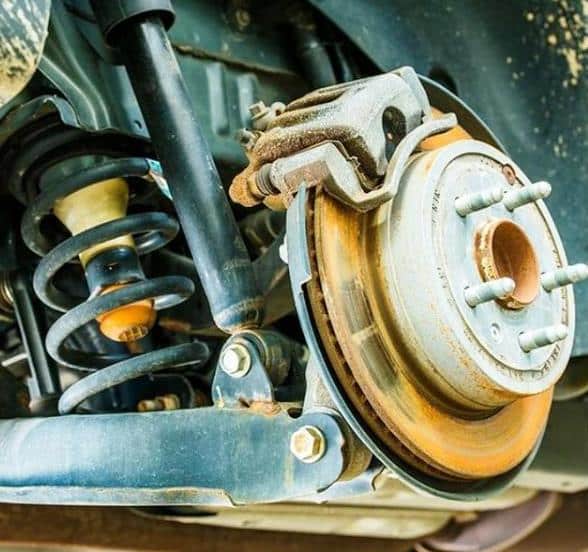
Suspension Repair

Shocks: The Absorbers

Shock absorbers, commonly known as shocks, are hydraulic devices designed to absorb and dampen the impact from road irregularities. They work by converting kinetic energy from the suspension movement into heat energy, which is then dissipated through the hydraulic fluid. Shocks are typically mounted near each wheel, with one end attached to the axle and the other to the vehicle frame.

When your car hits a bump, the shock absorbers control the vertical movement of the springs, preventing excessive bouncing. This helps maintain tire contact with the road, which is crucial for braking and steering.

Struts: The Multi-Taskers

Struts, on the other hand, are more complex components that integrate several suspension parts into one assembly. A strut combines a shock absorber with a coil spring and other elements, providing structural support to the vehicle’s suspension. This makes struts a key part of the vehicle’s steering system as well.

Unlike shocks, struts are not just absorbers of motion but also provide structural support to the suspension system. They help maintain the vehicle’s height and alignment, ensuring that the tires remain in proper contact with the road.

How Do They Work?

Understanding how shocks and struts work requires a basic grasp of the suspension system’s overall mechanics.

The Suspension System

The suspension system’s primary purpose is to maximize the friction between the tires and the road surface, ensuring stability and handling while absorbing and dampening shocks. It comprises several components, including:

  • Springs: These bear the weight of the vehicle and absorb the initial impact from road irregularities.
  • Shock Absorbers: They control the movement of the springs and suspension.
  • Struts: Provide structural support and contribute to the vehicle’s steering dynamics.
  • Control Arms: Connect the suspension system to the vehicle’s frame.
  • Ball Joints and Bushings: Allow for controlled movement of the suspension components.

The Role of Shocks

Shock absorbers function based on the principle of fluid dynamics. Inside a typical shock absorber, there’s a piston that moves through a cylinder filled with hydraulic fluid. When the car hits a bump, the piston moves, forcing the hydraulic fluid through small holes or valves. This restricts the flow of the fluid, creating resistance and thus dampening the motion of the springs.

This process converts the kinetic energy from the suspension movement into thermal energy, which is then dissipated. The result is a smoother ride with reduced bouncing and improved handling.

The Role of Struts

Struts combine the functions of shocks with additional roles. A strut assembly typically includes:

  • A Coil Spring: To support the vehicle’s weight and absorb large bumps.
  • A Shock Absorber: To dampen the movement of the spring.
  • A Strut Housing: To provide structural support to the entire assembly.
  • Mounts: To connect the strut to the vehicle.

Struts are often mounted on the front of the vehicle, where they also play a role in steering. The top of the strut connects to the vehicle’s body, while the bottom connects to the steering knuckle, which in turn is connected to the wheel. This setup allows the strut to move with the steering mechanism, contributing to the vehicle’s handling and alignment.

Signs of Worn Shocks and Struts

Last Chance Auto Repair

Shocks and struts don’t last forever. Over time, they can wear out, affecting your vehicle’s performance and safety. Here are some common signs that your shocks or struts may need replacing:

Excessive Bouncing

When shocks or struts wear out, they lose their ability to dampen the bounce of the car after hitting bumps, resulting in a jarring and uncomfortable ride for passengers.

Nose-Diving

Worn front struts fail to support the vehicle’s weight effectively during braking, causing the front end to dip forward abruptly, compromising both comfort and braking efficiency.

Uneven Tire Wear

Damaged shocks or struts can alter the vehicle’s alignment and suspension geometry, leading to irregular tire contact with the road surface, visible as bald spots or cupping on tires.

Leaking Fluid

Fluid leaks around shocks or struts indicate internal seal damage, reducing their hydraulic damping effectiveness and potentially causing further suspension component wear if not addressed promptly.

Poor Steering Response

Worn struts can affect the vehicle’s alignment, causing steering to feel loose or imprecise. This compromises handling and responsiveness, particularly noticeable when navigating corners or uneven terrain.

Increased Stopping Distance

 Inefficient shocks or struts can lead to reduced tire grip during braking, resulting in longer stopping distances. This poses a significant safety risk, especially in emergency braking situations.

Unusual Noises

Knocking or clunking sounds over bumps indicate loose or worn-out shock or strut mounts. This can lead to further damage if not addressed, affecting overall suspension performance and ride comfort.

Why Regular Maintenance Is Crucial

Regular maintenance of your car’s suspension system is crucial for several reasons. Firstly, it ensures your safety on the road by maintaining optimal handling and stability. Worn shocks and struts can compromise your vehicle’s ability to absorb bumps and maintain tire contact with the road, affecting braking efficiency and overall control. By regularly inspecting and replacing these components as needed, you reduce the risk of accidents and ensure a smoother, more predictable driving experience.

Secondly, proper suspension maintenance enhances your driving comfort and prolongs the life of other vehicle components. A well-maintained suspension system reduces vibrations and noise, providing a more enjoyable ride for you and your passengers. Moreover, it helps prevent premature wear on tires and other suspension parts, saving you money in the long run by avoiding costly repairs and replacements. Overall, investing in regular suspension maintenance not only improves safety and comfort but also preserves the value and performance of your vehicle over time.

Choosing the Right Shocks and Struts

When it comes to replacing shocks and struts, there are several factors to consider to ensure you choose the right components for your vehicle.

Vehicle Make and Model

Not all shocks and struts are created equal. Make sure to select components that are specifically designed for your vehicle’s make and model.

Driving Conditions

Consider your typical driving conditions. If you frequently drive on rough roads or off-road, you might need heavy-duty shocks and struts.

Quality

Opt for high-quality shocks and struts from reputable manufacturers. While they may be more expensive upfront, they often last longer and provide better performance.

Type of Strut or Shock

There are different types of shocks and struts available, including:

  • Monotube Shocks: Offer consistent performance and better heat dissipation.
  • Twin-Tube Shocks: More common and affordable, suitable for everyday driving.
  • Gas-Charged Shocks: Provide better handling and stability.
  • Adjustable Shocks: Allow you to adjust the damping level based on driving conditions.

Professional Installation

While replacing shocks and struts might seem straightforward, professional installation offers several advantages. Experts have the tools, knowledge, and experience to ensure the job is done correctly, minimizing the risk of errors that could compromise your vehicle’s safety and performance. Proper installation involves precise torque specifications, alignment checks, and ensuring all components are correctly seated and connected.

Moreover, professionals can diagnose other potential issues during installation, such as worn mounts or suspension linkages, which DIYers might overlook. They also have access to manufacturer-specific guidelines and recommendations, ensuring that the replacement parts are compatible and installed according to the vehicle’s specifications.

Conclusion 

Understanding the role of shocks and struts in a vehicle’s suspension system is essential for both safety and comfort on the road. Regular inspection and maintenance of these components are paramount to ensuring optimal performance, reducing the risk of accidents, and prolonging the life of a car. Whether experiencing signs of wear like excessive bouncing or poor steering response, addressing these issues promptly can prevent further damage and costly repairs. For professional assistance with suspension needs in Plainfield, IL, contact Last Chance Auto Repair For Cars Trucks today. Trust their expertise to keep your ride smooth and safe.

  • « Previous Page
  • 1
  • …
  • 13
  • 14
  • 15
  • 16
  • 17
  • …
  • 72
  • Next Page »

Reviews

[RICH_REVIEWS_SHOW category=”Auto Repair In Plainfield” num=”3″]
[RICH_REVIEWS_SNIPPET category=”all”]

Facebook Posts

Last Chance Auto Repair For Cars Trucks

3 weeks ago

Last Chance Auto Repair For Cars Trucks
⚡️ Battery light on? Headlights flickering? Random electrical glitches? Your car’s charging system might be warning you before it leaves you stranded.

We just published a simple, no-fluff guide that explains how your charging system works, what causes failures, and the top signs of alternator vs battery vs wiring issues—so you know what to do next (and don’t waste money guessing). ✅

📖 Read the blog here: lastchanceautorepair.blogspot.com/2026/03/Automotive-Charging-Systems-101-At-Last-Chance-Auto-Rep...

Learn more here: www.lastchanceautorepairs.com/alternator-repair-plainfield-naperville-bolingbrook-il/

Learn more here: www.lastchanceautorepairs.com/alternator-replacement-plainfield-il/

Need it tested the right way?
Last Chance Auto Repair For Cars Trucks
📍 12052 S Naper Plainfield Rd, Plainfield, IL 60585
📞 (815) 577-0327

#PlainfieldIL #AutoRepair #ChargingSystem #AlternatorRepair #CarMaintenance #CheckEngineLight #AlternatorReplacementPlainfieldIL
... See MoreSee Less

Call Now

Photo

View on Facebook
· Share

Share on Facebook Share on Twitter Share on Linked In Share by Email

Last Chance Auto Repair For Cars Trucks

4 weeks ago

Last Chance Auto Repair For Cars Trucks
Is your battery light on? ... See MoreSee Less

Post from Last Chance Auto Repair For Cars Trucks

youtube.com

Charging system repair in Plainfield, IL 🔋🚗—if your battery light pops on, the car cranks slow, headlights dim at idle, or your vehicle dies randomly, don’t ...
View on Facebook
· Share

Share on Facebook Share on Twitter Share on Linked In Share by Email

Last Chance Auto Repair For Cars Trucks

4 weeks ago

Last Chance Auto Repair For Cars Trucks
Charging system repair in Plainfield, IL 🔋🚗—if your battery light is on, headlights are dim, or your car won’t stay running, don’t wait until you’re stranded. At Last Chance Auto Repair, our family-owned shop has helped drivers across Plainfield and Chicagoland since 1978 with accurate diagnostics and repairs that fix the real problem (not just the symptom). How may we help you?

✅ Full charging system testing (battery, alternator, starter draw, cables/grounds, belts)
✅ Alternator repair & replacement
✅ Parasitic draw checks & electrical troubleshooting
✅ Honest answers, clear pricing, and fast turnarounds

Learn more + book your service 👇
🔗 Charging System Repair: www.lastchanceautorepairs.com/charging-system-repair/

🔗 Alternator Replacement: www.lastchanceautorepairs.com/alternator-replacement-plainfield-il/

🔗 Alternator Repair: www.lastchanceautorepairs.com/alternator-repair-plainfield-naperville-bolingbrook-il/

🏠 Last Chance Auto Repair For Cars Trucks
📍 12052 S Naper Plainfield Rd, Plainfield, IL 60585
📞 815-577-0327

#ChargingSystemRepair #PlainfieldIL #AlternatorRepair #AlternatorReplacement #BatteryLightOn #CarWontStart #ElectricalDiagnostics #AutoRepair #CarRepair #Chicagoland #NapervilleIL #BolingbrookIL #FamilyOwned #Since1978 #LastChanceAutoRepair
... See MoreSee Less

Call Now

Photo

View on Facebook
· Share

Share on Facebook Share on Twitter Share on Linked In Share by Email

Best Auto Repair Shop in Plainfield, IL

Recent Posts

  • Auto Repair Shop Advice for Maintaining Your Car Properly
  • Trusted Auto Repair Shop Near You for Fast Service
  • Affordable Auto Repair Shop Services
  • Reliable Auto Repair Shop for All Cars
  • Benefits of Regular Maintenance at an Auto Repair Shop

Contact Us

12052 S Naper Plainfield Rd
Plainfield, IL 60585
(815) 577-0327
info@lastchanceautorepairs.com

Contact Us

12052 S Naper Plainfield Rd
Plainfield, IL 60585
(815) 577-0327
info@lastchanceautorepairs.com

Service Area

Plainfield, 60585, 60544, 60586, Naperville, 60564, Bolingbrook, 60490, 60440, Romeoville, 60446, Will, Kendall, DuPage, Counties. Our auto repair shop in Plainfield, IL, has been serving the local area plus all surrounding Chicagoland since 1978.

Learn About Naperville, IL

Learn About Plainfield, Illinois

Specialties

• Computer Diagnostic • Brake Shop • Engine Replacement • Transmission Rebuild • Clutch Replacement • Differential Rebuild • Suspension Shop • Steering • Shocks & Struts • Heating & Cooling • Electrical • Exhaust Shop • Catalytic Converter Replacement • Alignment • Domestic & Foreign Vehicle Service • Auto Repair In Plainfield, IL • Auto Repair Shops Near Me • Towing Service Near Me

Last Chance Auto Repair In Plainfield, IL | Copyright © 1978 - 2026 | All Rights Reserved | (815) 577-0327