If you make $70,000 a year, a reasonable car budget is generally around $20,000 to $30,000, depending on your debt, savings, credit score, down payment, and monthly expenses. A conservative buyer may prefer $20,000–$25,000, while someone with strong savings and low debt may comfortably afford closer to $30,000.
A $70,000 salary equals about $5,833 per month before taxes. However, your car budget should include more than the purchase price. Consider your payment, insurance, fuel, maintenance, repairs, registration, and other ownership costs.
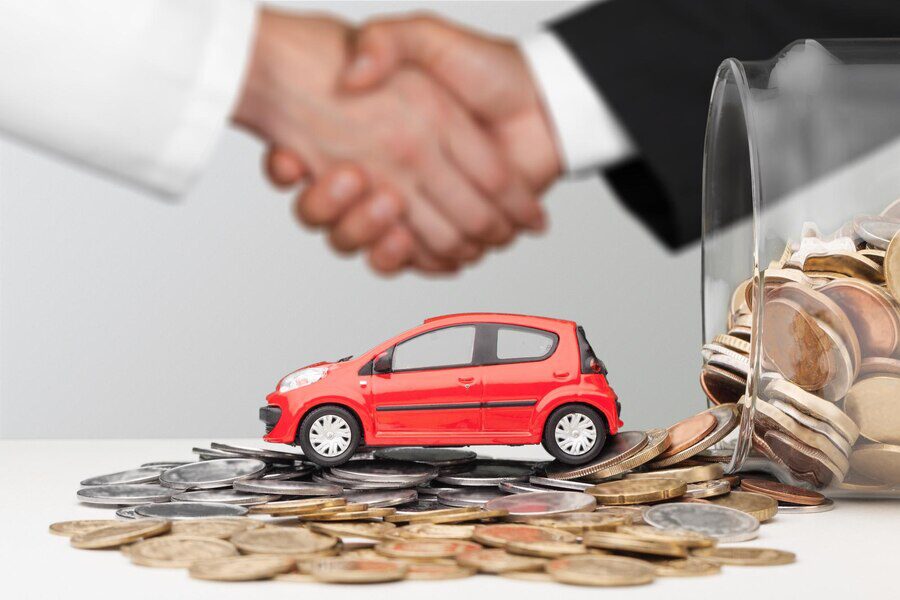
How Much Car Can You Afford on a $70,000 Salary?
A common guideline is to spend approximately 30%–50% of your annual gross income on a vehicle, although your personal finances should determine the final amount.
| Percentage | Vehicle Price |
| 25% | $17,500 |
| 30% | $21,000 |
| 35% | $24,500 |
| 40% | $28,000 |
| 50% | $35,000 |
For many people, $20,000–$30,000 is a sensible range. However, income alone doesn’t determine affordability. Your existing debt, housing costs, savings, and other financial responsibilities matter just as much.
The 20/4/10 Rule for Buying a Car
The 20/4/10 rule is one useful car-buying guideline. It recommends putting at least 20% down, financing for no more than four years, and keeping transportation expenses around 10% of gross monthly income.
With a $70,000 salary:
$70,000 ÷ 12 = $5,833 per month
Ten percent is approximately $583 per month.
That transportation budget can include your car payment, insurance, fuel, and maintenance. Therefore, qualifying for a large auto loan doesn’t necessarily mean you can comfortably afford the vehicle.
What Should Your Monthly Car Payment Be?
For someone earning $70,000 annually, keeping the car payment around $400–$500 per month or less can provide more financial flexibility.
| Monthly Payment | Annual Payments |
| $300 | $3,600 |
| $400 | $4,800 |
| $500 | $6,000 |
| $600 | $7,200 |
| $700 | $8,400 |
A $700 payment might be manageable for some buyers, but it leaves less money for housing, food, retirement, emergency savings, debt repayment, and other priorities.
Don’t Forget the Cost of Ownership
Your loan payment is only one part of owning a vehicle. Your total transportation costs may include:
- Insurance: Rates depend on your age, location, driving history, vehicle, coverage, and deductible.
- Fuel: Larger or less-efficient vehicles generally cost more to operate.
- Maintenance: Oil changes, tires, brakes, filters, batteries, and fluid services add up.
- Repairs: Eventually, components such as the suspension, alternator, starter, electrical system, transmission, or engine may require attention.
- Taxes and registration: These expenses should also be included in your budget.
For example, a $450 car payment could become an $800–$900 monthly transportation expense after insurance, fuel, maintenance, and other costs.
A $25,000 Car on a $70,000 Salary
Suppose you purchase a $25,000 vehicle and put 20% down.
$25,000 × 20% = $5,000 down
You would have approximately $20,000 to finance, before taxes and fees. The payment would depend on your interest rate and loan term.
The $25,000 purchase price represents about 35.7% of your annual gross income, making it a reasonable target for many buyers who have manageable debt and adequate savings.
What About a $35,000 or $40,000 Car?
A $35,000 vehicle equals 50% of your annual gross income, while a $40,000 vehicle represents about 57%.
That doesn’t automatically make either vehicle unaffordable, but the purchase deserves more scrutiny.
Before spending that much, consider your:
- Housing costs
- Student loans
- Credit-card debt
- Emergency savings
- Retirement contributions
- Insurance costs
- Down payment
- Other family expenses
Someone earning $70,000 with minimal debt and substantial savings may comfortably handle a $35,000 vehicle. Someone with significant debt may struggle with a $20,000 car.
Income alone doesn’t determine affordability.
Should You Buy a New or Used Car?
Buying used can be an effective way to keep transportation costs under control. A used vehicle may offer a lower purchase price, smaller loan, lower payment, and less depreciation.
However, used vehicles may also have higher mileage, more wear, and greater maintenance or repair needs. A pre-purchase inspection can help identify potential problems before you buy.
| Budget | Potential Strategy |
| $15,000–$20,000 | Older used vehicle |
| $20,000–$25,000 | Reliable used vehicle |
| $25,000–$30,000 | Newer used or entry-level new vehicle |
| $30,000–$35,000 | Newer or new vehicle with careful budgeting |
| $35,000+ | Requires stronger finances |
These are general ranges rather than strict rules. A well-maintained $28,000 vehicle may be a better financial choice than a $20,000 vehicle that needs expensive repairs.
How Much Should You Put Down?
A 20% down payment is a useful target when you can afford it without draining your savings.
| Car Price | 20% Down |
| $20,000 | $4,000 |
| $25,000 | $5,000 |
| $30,000 | $6,000 |
| $35,000 | $7,000 |
A larger down payment reduces the amount financed and may lower interest costs. However, don’t empty your emergency fund simply to make a bigger down payment.
Consider Your Other Debt
Existing debt can significantly change what you can afford.
For example, someone earning $70,000 with substantial housing, student-loan, credit-card, and other debt payments may have little room for a large car payment.
Instead of asking, “What car can someone making $70,000 buy?”, ask:
“What car can I afford after paying all my existing obligations?”
That’s the more useful question.
How Long Should Your Auto Loan Be?
Shorter loans generally mean higher monthly payments but less interest and faster payoff. Longer loans reduce the monthly payment but usually increase total interest and keep you in debt longer.
A 72- or 84-month loan can make an expensive vehicle appear affordable because the cost is spread over more years. If possible, choose a loan term that lets you pay off the vehicle without unnecessarily stretching your budget.
Your credit score can also affect your interest rate, so compare financing offers and look at the total amount you’ll repay, not just the monthly payment.
Frequently Asked Questions
How much should I spend on a car if I make $70,000 a year?
For many buyers, $20,000–$30,000 is a reasonable target. Your ideal budget depends on your debt, savings, housing costs, credit, down payment, and other expenses.
Can I afford a $30,000 car making $70,000 a year?
Potentially. A $30,000 vehicle is about 43% of your annual gross income. If you have manageable debt, sufficient savings, and a reasonable down payment, it may fit your budget.
Can I afford a $40,000 car on a $70,000 salary?
You may qualify for financing, but approval doesn’t necessarily mean affordability. A $40,000 vehicle is a substantial purchase relative to a $70,000 income and is more appropriate when your overall finances are strong.
What should my car payment be if I make $70,000?
A payment of approximately $400–$500 per month or less can provide financial flexibility for many buyers. Remember that insurance, fuel, maintenance, repairs, taxes, and registration are additional expenses.
Is it better to buy a $20,000 or $30,000 car?
It depends on the vehicle. A reliable $30,000 car may provide better value than a problematic $20,000 vehicle. Compare reliability, maintenance, fuel economy, insurance, and expected repair costs.
Should I buy a new or used car?
Either can make sense. Used cars can reduce the purchase price and depreciation, while new cars may provide warranties and fewer initial maintenance concerns. Compare the total cost of ownership before deciding.
Conclusion
So, how much should you spend on a car if you make $70,000 a year?
For many buyers, $20,000–$30,000 is a sensible target, with around $25,000 serving as a reasonable middle ground when debt and other expenses are under control.
Before buying, consider your take-home pay, housing costs, existing debt, emergency savings, retirement contributions, insurance, fuel, maintenance, repairs, down payment, and interest rate.
Most importantly, don’t confuse what a lender will approve with what you can comfortably afford. The right car should fit your financial life without preventing you from saving, investing, or handling unexpected expenses.
If you’re looking for Car Repair Plainfield IL, Car Repair Near Me, Auto Repair, Auto Repair Near Me, Automotive Repair, Brake Shop, Brake Repair, Brake Repair Plainfield IL, or Brake Service, contact Last Chance Auto Repair For Cars Trucks in Plainfield, IL.
Call 815-577-0327 for professional car and truck repair, diagnostics, brake service, maintenance, and automotive repair.