Last Chance Auto Repair

Auto Repair Shop In Plainfield, IL

Auto Repair Shop In Plainfield, IL

Auto Repair In Plainfield At Its Finest. Serving Plainfield, Naperville, Bolingbrook, Romeoville, Chicagoland since 1978.

  • Services
        • Brake Repair
          • Brakes Near Me
          • Brakes Plainfield
          • Brakes Naperville
          • Brakes Bolingbrook
          • Brake Rotor Replacement
          • Save On Brakes
        • Emissions Repair
        • Asian Repair
        • European Repair
        • Classic & Vintage
        • Truck Repair
          • Medium Duty Repair
        • Fleet Repair
        • Charging System Repair
          • Alternator Repair
          • Alternator Replacement
        • A/C Repair
          • A/C Recharge Service
          • A/C Condenser Repair
          • A/C Compressor Repair
        • Cooling System
          • Radiator Services
          • Water Pump Replacement
          • Thermostat Replacement
        • Steering System
        • Auto Maintenance
          • Auto Tune-Up
          • Oil Change
          • Batteries
        • Engine Services
          • Starter Replacement
          • Timing Belt Replacement
          • Timing Chain Replacement
          • Cylinder Heads
          • Auto Machine Shop
        • Transmissions
          • Clutch Replacement
          • Torque Converter Replacement
        • Transfer Cases
        • Carburetors
        • Driveshaft Service
        • Diesel Repair
        • Electrical Repair
        • Suspension Repair
          • Shocks & Struts
          • Ball Joint Replacement
          • Alignment Shop
        • Exhaust Repair
          • Catalytic Converter
        • Differential Repair
        • Diagnostic
        • Auto Glass Repair
        • Auto Body Shop
        • Welding Service
        • Vehicle Inspection
        • Tire Replacement
  • Vehicles
          • DOMESTIC
          • Buick Repair
          • Cadillac Repair
          • Chevrolet Repair
          • Corvette Repair
          • Dodge Repair
          • Ford Repair
          • GMC Repair
          • Hummer Repair
          • Jeep Repair
          • RAM Repair
          • ASIAN
          • Acura Repair
          • Daewoo Repair
          • Honda Repair
          • Hyundai Repair
          • Infiniti Repair
          • Isuzu Repair
          • KIA Repair
          • Lexus Repair
          • Mazda Repair
          • Nissan Repair
          • Mitsubishi Repair
          • Scion Repair
          • Subaru Repair
          • Suzuki Repair
          • Toyota Repair
          • EUROPEAN
          • BMW Repair
          • Fiat Repair
          • Jaguar Repair
          • Land Rover Repair
          • Mercedes Benz Repair
          • MINI Cooper Repair
          • Porsche Repair
          • Saab Repair
          • Smart Repair
          • Volkswagen Repair
          • Volvo Repair
  • Towing
        • 24 Hour Towing
        • Towing Plainfield
        • Towing Bolingbrook
        • Roadside Assistance
        • Lockout Service
        • Jump Start Service
        • Mobile Battery Replacement
        • Toolbox Towing
  • Storage
    • Outdoor Car Storage
  • Coupons
        • Low Cost Guaranteed
        • Transmissions
        • Free Brake Inspection
        • Air Conditioning
        • Oil Change Specials
        • Free Computer Scan
        • Teacher Discount
        • Senior Citizen Discount
  • Blog
  • About Us
    • Reviews
    • Now Hiring
    • Car Mechanic Jobs Near Me
    • Brake Repair FAQs
  • Contact Us
  • Write A Review

What’s the Most Expensive Repair on a Car?

What’s the Most Expensive Repair on a Car?

The most expensive repair on a car is usually a major engine replacement, transmission replacement, hybrid/EV battery replacement, or severe collision repair. Depending on the vehicle, damage, parts, and labor, major repairs can cost anywhere from $3,000 to more than $15,000.

Luxury, performance, hybrid, and electric vehicles can have even higher repair costs. There isn’t one repair that is always the most expensive because costs vary by make, model, age, and damage.
Last Chance Auto Repair

What Are the Most Expensive Car Repairs?

Major Repair Typical Potential Cost
Engine replacement $4,000–$12,000+
Engine rebuild $3,000–$10,000+
Transmission replacement $3,000–$8,000+
Hybrid/EV battery replacement $3,000–$15,000+
Major collision repair $5,000–$20,000+
Turbocharger replacement $1,500–$4,000+
Head gasket repair $1,500–$4,000+
Electrical/computer repair $500–$5,000+

These are general estimates. Actual prices depend on labor rates, parts, vehicle design, location, and repair complexity.

1. Engine Replacement

For gasoline and diesel vehicles, engine replacement is one of the most expensive mechanical repairs. It may be required because of severe overheating, lack of lubrication, internal failure, a cracked engine block, bearing failure, piston damage, or major timing-related damage.

The total cost can include the replacement engine, labor, fluids, gaskets, seals, filters, coolant, oil, diagnostics, and programming.

How Much Does an Engine Replacement Cost?

A typical broad range is $4,000 to $12,000 or more. Luxury vehicles, trucks, performance cars, and vehicles with difficult engine access can cost significantly more.

Used engines may lower the parts cost, while new or remanufactured engines generally cost more.

2. Hybrid or EV Battery Replacement

For hybrid and electric vehicles, the high-voltage battery pack can be one of the most expensive components to replace.

Unlike a standard 12-volt battery, a traction battery contains numerous cells and sophisticated management electronics. Repairs may require specialized diagnostic equipment, safety procedures, cooling-system work, and programming.

Depending on the vehicle, replacement can cost several thousand dollars to more than $10,000. However, not every hybrid or EV will require a complete battery replacement.

3. Transmission Replacement

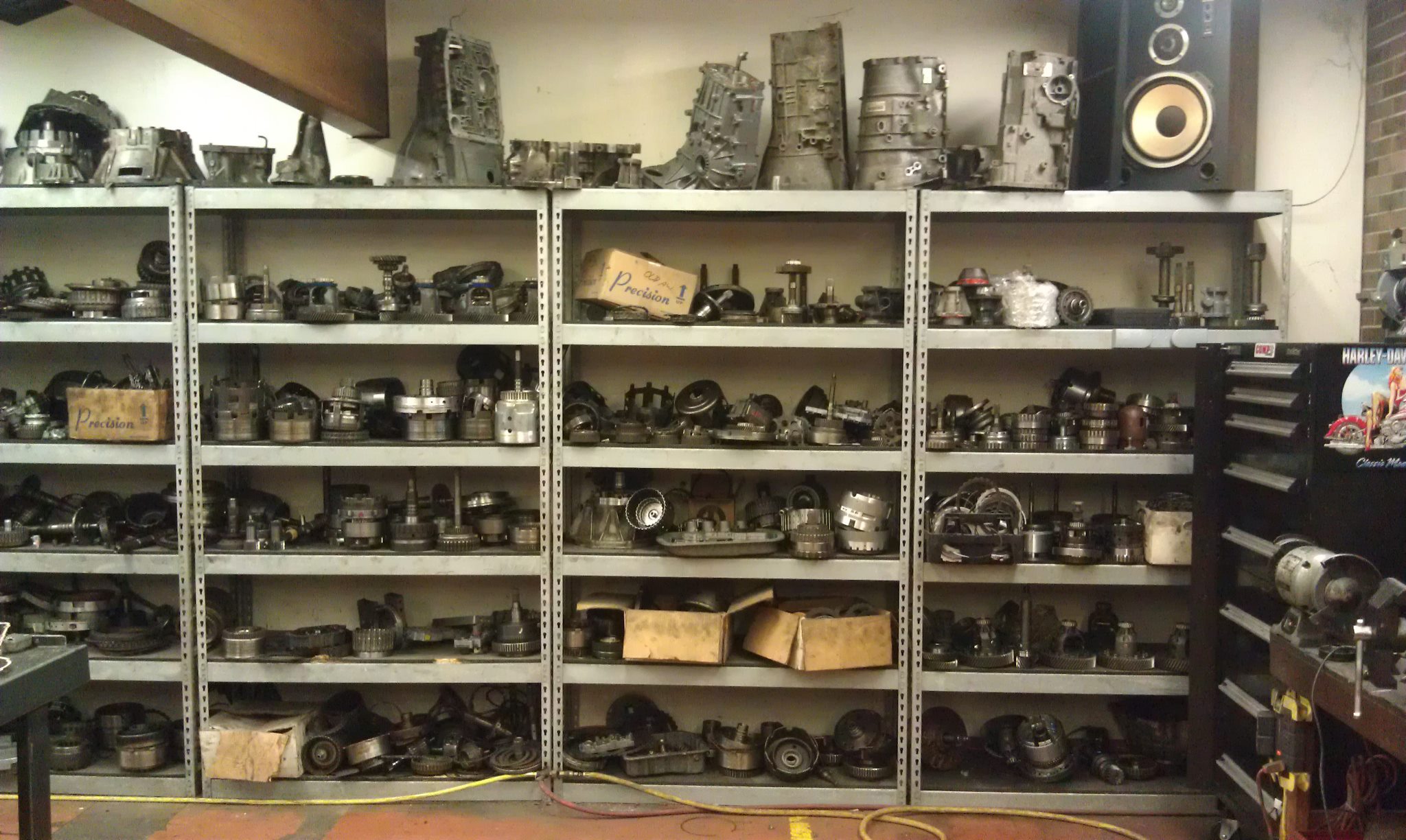
A failed transmission can create another major repair bill. Automatic transmissions contain numerous precision components, including gears, clutches, bearings, solenoids, valve bodies, torque converters, and electronic controls.

A transmission replacement may cost approximately $3,000 to $8,000+, although luxury and performance vehicles can cost considerably more.

4. Major Collision Repair

A severe accident can produce one of the largest repair bills a vehicle owner encounters. Modern vehicles contain complex structural, mechanical, electrical, and driver-assistance systems.

A major collision may damage the:

  • Frame or unibody
  • Suspension and steering
  • Engine or transmission
  • Airbags
  • Wiring
  • Cameras and radar
  • Sensors and lighting

Severe collision repairs can exceed $10,000 or more. If the repair cost exceeds the vehicle’s value, an insurance company may consider the vehicle a total loss.

5. Engine Rebuild

An engine rebuild involves removing and disassembling the existing engine, inspecting its components, replacing damaged parts, and carefully reassembling it.

The work may include cylinder-head repairs, bearing replacement, piston and ring work, crankshaft inspection, new seals and gaskets, and machine-shop services.

A rebuild can cost approximately $3,000 to $10,000+, depending on the engine and extent of damage.

Why Do Major Car Repairs Cost So Much?

A major repair bill includes more than the replacement part. Costs can include:

  • Parts: Major components can cost thousands of dollars.
  • Labor: Removing and installing engines or transmissions can take many hours.
  • Diagnostics: Technicians must identify the exact cause of the problem.
  • Specialized equipment: Modern vehicles often require advanced diagnostic and calibration equipment.
  • Fluids and supplies: Repairs may require oil, coolant, filters, seals, and gaskets.
  • Programming: Some replacement components require electronic programming or calibration.

Labor Can Increase the Final Bill

For example, if a shop charges $150 per hour and an engine replacement requires 15 hours, labor alone would be:

15 × $150 = $2,250

If the engine costs $5,000, the subtotal is already $7,250, before fluids, filters, gaskets, diagnostics, and other services are added.

Is It Worth Repairing an Expensive Car?

Sometimes a major repair makes financial sense, and sometimes replacing the vehicle is the better option.

Before spending thousands of dollars, consider:

  • Current vehicle value
  • Mileage and age
  • Maintenance history
  • Overall condition
  • Rust
  • Tire, brake, and suspension condition
  • Other known mechanical problems
  • Expected future repairs

For example, a $7,000 engine replacement may be reasonable if the vehicle is otherwise reliable and in excellent condition. It may not make sense if the vehicle is older and already needs thousands of dollars in additional repairs.

How to Decide Whether to Repair or Replace Your Car

1. Get an Accurate Diagnosis

Make sure you know exactly what failed and whether additional damage exists.

2. Get a Written Estimate

Ask the repair shop to provide parts, labor, diagnostic charges, additional services, warranty information, and the total estimated cost.

3. Determine Your Vehicle’s Value

Research the vehicle’s current value based on its year, make, model, trim, mileage, and condition.

4. Consider Future Repairs

Don’t focus only on today’s repair. Ask what other major maintenance or repairs the vehicle may need over the next year or two.

5. Compare Your Options

Depending on the situation, you may choose to repair the vehicle, install a used or remanufactured component, or replace the vehicle altogether.

New vs. Used vs. Remanufactured Parts

Option Potential Advantage Potential Concern
New/OEM Factory-quality replacement Usually more expensive
Aftermarket May cost less Quality varies
Used Lower upfront cost History may be unknown
Remanufactured Rebuilt to specifications Quality depends on supplier

The cheapest component isn’t always the best long-term value. Consider quality, warranty, reliability, and expected service life.
Last Chance Auto Repair

How to Prevent Expensive Car Repairs

You can’t prevent every major failure, but regular maintenance can reduce the risk.

Follow the manufacturer’s recommended schedule for oil changes, fluids, filters, inspections, and cooling-system maintenance.

Don’t ignore warning signs such as:

  • Overheating
  • Low oil-pressure warnings
  • Strange noises
  • Transmission slipping
  • Burning smells
  • Fluid leaks
  • Check-engine lights
  • Loss of power
  • Unusual vibrations

A small problem can become a much larger and more expensive failure when ignored.

Frequently Asked Questions

What is the most expensive repair on a car?

There isn’t one universal answer. Engine replacement, transmission replacement, hybrid/EV battery replacement, and major collision repairs are among the most expensive, with some repairs exceeding $10,000.

Is an engine replacement more expensive than a transmission replacement?

Often, but not always. Engine replacement commonly costs thousands of dollars and can exceed $10,000, while transmission replacement can also become extremely expensive on certain vehicles.

How much does it cost to replace an engine?

A broad estimate is $4,000–$12,000+, including parts and labor. The actual price depends on the vehicle, engine, parts source, labor rate, and additional work required.

What is the most expensive part of an electric car?

The high-voltage battery pack is often one of the most expensive individual components in an EV. Replacement costs vary significantly by vehicle and battery design.

Is it worth repairing a car with a $10,000 repair?

It depends on the vehicle’s value, condition, mileage, maintenance history, and expected future repairs. A $10,000 repair may make sense for a valuable vehicle in excellent condition but not for an older vehicle with multiple major problems.

How can I avoid expensive car repairs?

Follow the manufacturer’s maintenance schedule and address warning lights, leaks, unusual noises, overheating, vibrations, and performance problems as soon as possible. Early diagnosis can sometimes prevent a smaller issue from becoming a major repair.

Conclusion

So, what’s the most expensive repair on a car? For conventional gasoline and diesel vehicles, major engine and transmission repairs are among the most expensive mechanical repairs. For hybrid and electric vehicles, high-voltage battery replacement can be similarly costly, while severe collision damage can produce even larger bills.

A major repair doesn’t automatically mean you need a new vehicle. Get an accurate diagnosis, obtain a detailed estimate, compare the repair cost with your vehicle’s value, and consider its overall condition and future repair needs.

If you’re looking for Car Repair Plainfield IL, Car Repair Near Me, Auto Repair, Auto Repair Near Me, Automotive Repair, Brake Shop, Brake Repair, Brake Repair Plainfield IL, or Brake Service, contact Last Chance Auto Repair For Cars Trucks in Plainfield, IL.

For professional diagnostics, maintenance, brake service, and automotive repairs, call 815-577-0327 to discuss your vehicle’s needs.


What Is a Good Labor Rate for a Mechanic?

What Is a Good Labor Rate for a Mechanic?

A good labor rate for a professional mechanic is generally $100 to $170 per hour, depending on location, vehicle, repair type, and shop. Independent shops often charge 100–145 per hour, while dealerships and specialty facilities may charge 150–250 or more.

A $100 hourly rate can be reasonable, but the lowest rate isn’t always the best value. A mechanic charging $150 per hour may complete a repair faster and cost less overall than one charging $100 per hour.

Always compare the total repair estimate, including labor hours, parts, diagnostics, warranty, and repair complexity.

Auto Repairs

What Is the Average Mechanic Labor Rate?

Typical rates vary by location and facility:

Repair Facility Typical Labor Rate
Small Independent Shop 100–125/hour
General Independent Shop 110–145/hour
Higher-Cost Independent Shop 140–170+/hour
Dealership 150–250+/hour
Specialty Shop 150–200/hour
Luxury/European Specialist 150–250/hour
Hybrid/EV Specialist 150–200/hour
Mobile Mechanic 100–200/hour

These are general ranges. Local wages, rent, competition, technician availability, and vehicle types all affect pricing.

Is $100 an Hour a Good Mechanic Rate?

Yes. $100 per hour can be a competitive rate, particularly at an independent repair shop.

For example:

  • Shop A: $100/hour × 5 hours = $500
  • Shop B: $150/hour × 3.5 hours = $525

Despite a $50 higher hourly rate, Shop B costs only $25 more in labor. The more expensive shop may have more efficient technicians, better equipment, or specialized expertise.

What Makes a Mechanic’s Labor Rate Fair?

A labor rate covers much more than technician wages. Repair shops must pay for:

  • Technician wages and benefits
  • Training and certifications
  • Commercial rent and utilities
  • Insurance
  • Diagnostic equipment and tools
  • Software and subscriptions
  • Waste disposal
  • Office staff and other operating expenses

Modern vehicles also require expensive scan tools, programming equipment, specialty tools, and manufacturer-specific software.

Why Do Dealerships Charge More?

Dealerships often have higher labor rates because they maintain manufacturer-specific equipment, software, specialty tools, factory-trained technicians, and technical support.

For warranty work, recalls, programming, and brand-specific repairs, dealership expertise can be valuable. For routine maintenance and general repairs, an independent shop may provide a more affordable option.

Does Location Affect a Good Labor Rate?

Absolutely. A rate that is reasonable in one city may be expensive in another.

Pricing is influenced by:

  • Cost of living
  • Commercial rent
  • Local wages
  • Insurance
  • Competition
  • Technician availability

A $125 hourly rate might be normal in a major metropolitan area but high in a smaller community. Comparing reputable local shops is usually more useful than relying on a national average.

Does the Vehicle Affect the Labor Rate?

Yes. Luxury, European, hybrid, and electric vehicles can require specialized training, equipment, and diagnostic systems.

Hybrid and EV technicians need appropriate high-voltage training and safety equipment. European and luxury specialists may also need manufacturer-specific software and tools, which can increase labor costs.

Flat-Rate vs. Hourly Labor

Many repair shops use flat-rate or book-time labor rather than billing strictly by the clock.

If a repair has a book time of three hours and the shop charges $120 per hour:

3 × $120 = $360 in labor

The technician may complete the job faster than three actual hours, but the customer can still be charged according to the standardized labor allowance, depending on the shop’s pricing policy.

Automotive Repair
Regular Maintenance

Why Can a Small Repair Have a Large Labor Charge?

A repair may be simple but difficult to access. Rust, corrosion, seized bolts, limited access, previous repairs, vehicle design, programming, and calibration can all increase labor time.

A component might take only minutes to replace after reaching it, while accessing the component could require removing several other parts.

How Much Should You Pay for Diagnostic Labor?

Diagnostic fees vary based on the problem and time required. An intermittent electrical issue, for example, may require scanning the vehicle, checking codes, testing wiring and sensors, monitoring live data, and reproducing the problem.

The faulty part may cost only $50, but identifying it correctly could take several hours.

Before approving diagnostics, ask whether there is a separate diagnostic fee and whether it will be applied toward the repair.

How to Tell If a Mechanic Is Charging Too Much

A high hourly rate doesn’t automatically mean you’re overpaying. Compare the complete estimate rather than just the hourly figure.

Ask several reputable shops about:

  • Labor rates and estimated hours
  • Diagnostic fees
  • Parts costs
  • Warranty coverage
  • Shop or miscellaneous fees
  • The evidence supporting the recommended repair

For expensive work, getting a second opinion can help you determine whether the estimate is reasonable.

How to Compare Mechanic Estimates

Consider these two estimates:

Shop A Shop B
Hourly Rate $100 $140
Labor Hours 5 3.5
Labor Total $500 $490
Parts $350 $350
Total $850 $840

Shop B charges more per hour but has a lower total repair cost. This shows why hourly labor rate alone doesn’t determine value.

What Should a Good Mechanic Provide?

A trustworthy repair shop should provide:

  • Clear communication
  • Written estimates
  • Professional diagnostics
  • Experienced technicians
  • Appropriate equipment
  • Quality parts
  • Warranty information
  • Transparent billing
  • Customer approval before additional repairs

A good mechanic should explain what needs to be repaired and why.

How Can You Save Money on Mechanic Labor?

Regular maintenance can help prevent some costly repairs. Follow your manufacturer’s recommendations for oil changes, brake inspections, fluid services, tire maintenance, filters, battery testing, and scheduled inspections.

Don’t ignore warning signs such as check-engine lights, unusual noises, vibrations, fluid leaks, overheating, starting problems, or unusual smells. Addressing problems early can sometimes prevent more expensive repairs.

If multiple repairs are needed, ask the mechanic which ones are safety-related and which can reasonably wait.

Is a Higher Labor Rate Sometimes Better?

Yes. A higher rate can reflect greater expertise, better equipment, specialized training, or greater efficiency.

For example:

Shop A: $100/hour × 6 hours = $600
Shop B: $160/hour × 4 hours = $640

The difference is only $40. If Shop B offers better diagnostics, expertise, or warranty coverage, the higher hourly rate may be worthwhile.

The goal should be good overall value rather than the lowest hourly rate.

Frequently Asked Questions

What is a good labor rate for a mechanic?

A good mechanic labor rate is generally $100 to $170 per hour, depending on location, vehicle, and repair type. Independent shops often charge less than dealerships and specialty facilities.

Is $100 an hour too much for a mechanic?

No. $100 per hour can be a reasonable and competitive rate, especially at an independent shop. Always consider the total repair cost and quality of service.

Is $150 an hour expensive for auto repair?

$150 per hour is toward the higher end for many independent shops but can be normal for dealerships, luxury specialists, European vehicles, or high-cost metropolitan areas.

Why do mechanics charge so much per hour?

Labor rates cover technician wages, rent, insurance, tools, diagnostic equipment, software, training, utilities, benefits, and other business expenses.

Should I choose the mechanic with the lowest labor rate?

Not necessarily. Compare labor hours, parts, diagnostics, warranty, experience, reputation, and total price. A higher hourly rate can sometimes produce a similar or lower final bill.

How do I know if my mechanic’s estimate is fair?

Compare estimates from reputable local shops and ask for a breakdown of labor, parts, diagnostics, and additional fees. For expensive repairs, consider getting a second opinion.

Conclusion

So, what is a good labor rate for a mechanic? For many general repair shops, $100 to $170 per hour is a reasonable range. Independent shops often charge less than dealerships and specialty facilities.

However, the hourly rate doesn’t tell the entire story. Consider labor hours, parts, diagnostic fees, warranty coverage, technician experience, and repair complexity.

The best mechanic isn’t necessarily the cheapest. It’s the professional who can accurately diagnose the problem, explain the repair, perform quality work, and provide transparent pricing.

Need Auto Repair in Plainfield, IL?

If your vehicle needs maintenance, diagnostics, or mechanical repairs, Last Chance Auto Repair For Cars Trucks in Plainfield, IL can help. Whether you need general Car Repair, automotive diagnostics, brake service, or repairs for your car or truck, an accurate diagnosis can help you make an informed decision.

Call Last Chance Auto Repair For Cars Trucks at 815-577-0327 for Car Repair, Car Repair Plainfield IL, Car Repair Near Me, Auto Repair, Auto Repair Near Me, Automotive Repair, Brake Shop, Brake Repair, Brake Repair Plainfield IL, and Brake Service. Contact the team today for dependable local automotive repair and professional service.

Average Hourly Rates for Auto Mechanics

Average Hourly Rates for Auto Mechanics

A typical professional mechanic or auto repair shop in the United States charges approximately $110 to $170 or more per hour for labor. Independent repair shops often charge around $100 to $145 per hour, while dealerships may charge $150 to $250 or more. Specialty shops serving European, luxury, hybrid, or electric vehicles may also charge $150 to $200+ per hour.

Therefore, a mechanic charging $100 per hour can offer a fair and competitive rate, depending on your location and the type of repair.

However, the hourly rate is only part of your total bill. Your final cost can include labor hours, parts, diagnostics, vehicle type, repair complexity, taxes, and shop fees.

For example, a $125 hourly rate for two hours of labor equals $250. A $100 hourly rate for four hours equals $400. Comparing the complete estimate is more useful than comparing hourly rates alone.

What Is the Average Auto Repair Labor Rate?

There is no single national rate for every mechanic. Pricing varies by location, shop type, technician experience, equipment, and vehicle.

Repair Facility Typical Labor Rate
Independent Shop 100–145/hour
General Repair Shop 110–170+/hour
Dealership 150–250+/hour
European/Specialty Shop 150–200+/hour
Hybrid/EV Specialist 150–200+/hour
Mobile Mechanic 100–200+/hour

These are broad estimates, not fixed prices. Shops in major metropolitan areas may charge more because of higher rent, wages, insurance, and operating costs.

Is $100 an Hour a Reasonable Mechanic Rate?

Yes. $100 per hour is generally reasonable for professional automotive labor, particularly at an independent repair shop.

A shop’s value should be judged by more than its hourly rate. Professional service may include experienced technicians, diagnostic equipment, specialized tools, quality parts, written estimates, proper repair procedures, and warranty coverage.

The lowest hourly rate does not necessarily mean the lowest final bill.

Why Do Mechanics Charge So Much Per Hour?

A shop’s labor rate is not the same as the technician’s personal wage. The rate helps cover the costs of running the entire repair business.

Expenses can include:

  • Technician wages, benefits, and training
  • Diagnostic equipment and specialty tools
  • Manufacturer software and subscriptions
  • Commercial rent and utilities
  • Insurance and licensing
  • Equipment maintenance
  • Waste disposal
  • Administrative and customer-service costs

Modern vehicles require increasingly sophisticated diagnostic equipment, especially for electrical, hybrid, and EV repairs.

Does a $150 Mechanic Rate Mean the Mechanic Makes $150 an Hour?

No. The shop labor rate is what the customer pays. That revenue covers technician compensation, equipment, facility expenses, insurance, software, administrative costs, and business profit.

This is why a shop’s customer-facing labor rate should not be directly compared with an employee’s hourly wage.

Why Are Dealership Labor Rates Usually Higher?

Dealerships often have higher rates because they maintain factory-specific diagnostic equipment, manufacturer software, specialized tools, factory-trained technicians, and larger service facilities.

Dealerships can be particularly useful for warranty repairs, recalls, software programming, and manufacturer-specific problems. For routine maintenance and many general repairs, independent shops may provide professional service at a lower rate.

How Does Location and Vehicle Type Affect Labor Costs?

Location can significantly affect repair prices. Shops in areas with higher property costs, wages, insurance, and operating expenses generally charge more. Your best comparison is with reputable repair shops in your local area rather than a national average.

Vehicle type also matters. European and luxury vehicles may require specialized tools and diagnostic systems. Hybrid and electric vehicles involve high-voltage systems that require specialized training and safety equipment. These factors can increase labor rates.

How Much Does Labor Cost at Different Hourly Rates?

Hourly Rate 1 Hour 2 Hours 4 Hours 6 Hours
$100 $100 $200 $400 $600
$125 $125 $250 $500 $750
$150 $150 $300 $600 $900
$175 $175 $350 $700 $1,050
$200 $200 $400 $800 $1,200

These figures represent labor only. Parts, diagnostics, taxes, shop supplies, and other charges may increase the final bill.

What Is Flat-Rate or Book-Time Labor?

Many repair shops use flat-rate labor, also called book time. Instead of billing strictly for the minutes a technician spends working, the shop uses a standardized labor allowance for a specific repair.

For example, if a repair has a three-hour book time and the shop charges $100 per hour, the labor charge would be:

3 × $100 = $300

Depending on the shop’s billing system, the customer may pay the three-hour allowance even if an experienced technician completes the job faster.

Why Can Diagnostics Be Expensive?

Some problems are easy to identify, while others require extensive testing. An intermittent electrical problem, for example, may require scanning control modules, testing circuits, inspecting wiring, and reproducing the problem.

The failed component might be inexpensive, but finding the cause can take several hours. Ask the shop:

  • What does the diagnostic fee include?
  • How much will it cost?
  • Will the fee be applied toward the repair?
  • Will you be contacted before additional work is performed?

How Can You Tell If a Mechanic’s Estimate Is Fair?

Request a written estimate showing labor, parts, diagnostics, fees, and taxes. Ask what failed, how the problem was diagnosed, and why the recommended repair is necessary.

Also ask about the parts and labor warranty and tell the shop to contact you before performing work beyond the approved estimate.

For a major repair, getting a second estimate can be worthwhile. Compare complete estimates rather than hourly rates alone.

For example:

Shop A: $100/hour × 5 hours = $500
Shop B: $140/hour × 3.5 hours = $490

Shop B has a higher hourly rate but a lower estimated labor total.

How to Save Money on Mechanic Labor

You can reduce repair expenses without automatically choosing the cheapest shop.

  • Follow your vehicle’s recommended maintenance schedule.
  • Address warning lights, leaks, unusual noises, vibrations, and starting problems promptly.
  • Ask about appropriate parts options and their warranties.
  • If multiple repairs are needed, ask which are safety-critical and which can wait.
  • Compare complete estimates from reputable shops.

Safety-related issues involving brakes, tires, steering, or other critical systems should receive appropriate priority.

Is a Higher Mechanic Rate Worth Paying?

Sometimes. A shop charging more may have experienced technicians, better diagnostic equipment, specialized expertise, or more efficient repair procedures.

For example:

$100/hour × 6 hours = $600
$150/hour × 4 hours = $600

The hourly rates differ, but the labor cost is identical. The best value depends on the total repair cost, quality of work, expertise, and warranty, not simply the posted hourly rate.

Frequently Asked Questions

What does a typical mechanic charge per hour?

Professional automotive labor commonly costs around $110 to $170 or more per hour in the United States. Independent shops may charge less, while dealerships and specialty facilities can charge $150 to $250 or more.

Is $100 per hour a good mechanic rate?

Yes. $100 per hour can be a fair rate, especially at an independent repair shop. Consider labor hours, parts, repair quality, diagnostics, and warranty coverage when judging value.

Why do mechanics charge more than their hourly wage?

The shop’s rate covers technician compensation as well as equipment, rent, insurance, software, training, utilities, administrative expenses, and other business costs.

Do mechanics charge for actual time spent working?

Not always. Many shops use flat-rate or book-time labor, where a standardized labor allowance determines the charge for a repair.

Should I compare mechanic hourly rates?

Yes, but compare the complete estimate. Consider labor hours, parts, diagnostic fees, warranty coverage, and exactly what work is included.

Conclusion

So, what does a typical mechanic charge per hour? In the United States, professional automotive labor commonly falls around $110 to $170 or more per hour. Independent shops often charge less than dealerships, while specialty facilities may have higher rates.

A $100 hourly rate can be perfectly reasonable when you receive professional diagnostics, experienced workmanship, quality parts, and clear warranty coverage.

The best way to evaluate an auto repair estimate is to consider the entire cost, including labor hours, parts, diagnostics, repair complexity, and warranty.

Need Reliable Auto Repair in Plainfield, IL?

When your car or truck needs professional service, Last Chance Auto Repair For Cars Trucks in Plainfield, IL can help with dependable automotive repair. Whether you need routine Car Repair, diagnostics, brake service, or assistance with a more complicated mechanical problem, a proper inspection can help you understand your vehicle’s needs before approving repairs.

Call Last Chance Auto Repair For Cars Trucks at 815-577-0327 for Car Repair, Car Repair Plainfield IL, Car Repair Near Me, Auto Repair, Auto Repair Near Me, Automotive Repair, Brake Shop, Brake Repair, Brake Repair Plainfield IL, and Brake Service. Contact the team today for professional local automotive service and help getting your vehicle safely back on the road.


  • « Previous Page
  • 1
  • …
  • 16
  • 17
  • 18
  • 19
  • 20
  • …
  • 98
  • Next Page »

Reviews

[RICH_REVIEWS_SHOW category=”Auto Repair In Plainfield” num=”3″]
[RICH_REVIEWS_SNIPPET category=”all”]

Facebook Posts

Last Chance Auto Repair For Cars Trucks

22 hours ago

Last Chance Auto Repair For Cars Trucks
🚗 DON'T WAIT UNTIL YOUR CAR LETS YOU DOWN!

Unexpected car trouble can interrupt your day and leave you stranded. Regular maintenance and timely repairs can help you catch potential problems before they become bigger headaches.

✅ Stay on top of routine maintenance
✅ Pay attention to unusual sounds and warning lights
✅ Address vehicle problems early
✅ Keep your car or truck road-ready

Your vehicle deserves the attention it needs!

🔧 At Last Chance Auto Repair For Cars Trucks, we're here to help with your automotive repair and maintenance needs.

📞 DON'T WAIT! SCHEDULE YOUR SERVICE TODAY!

👇 When was the last time your vehicle had a maintenance check? Let us know in #LastChanceAutoRepairha#autorepairir#carrepairai#truckrepairr #VehicleMaintenanceic#CarCarena#automotiverepairut#scheduleyourserviceduleyourservice
...

Photo

View on Facebook (opens in a new tab)
· Share

Share on Facebook (opens in a new tab) Share on Twitter (opens in a new tab) Share on LinkedIn (opens in a new tab) Share by Email (opens in a new tab)

Last Chance Auto Repair For Cars Trucks

3 days ago

Last Chance Auto Repair For Cars Trucks
🚗🔧 WHEN DID YOU LAST CHECK YOUR OIL? 🛢️

Your engine oil does more than you think! It helps lubricate moving engine parts, reduce friction, and protect your engine from excessive wear.

✅ Check your engine oil level regularly.
✅ Follow your manufacturer's recommended oil-change schedule.
✅ Don't ignore oil warnings or signs of a leak.

💡 PRO TIP: Regular oil checks and timely oil changes can help keep your engine running smoothly and help prevent costly problems.

🚘 Give your car or truck the care it deserves!

📞 Call Now: ‪+18155770327
🌐 Visit: lastchanceautorepairs.com
📩 info@lastchanceautorepairs.com

👇 QUICK QUESTION: When was your last oil change?
- A️ - Within the last month
- B️ - 3 months ago
- C️ - honestly can't remember! 😅

📍- 12052 S Naper Plainfield Rd, Plainfield, IL, United States, 60585

Drop your answer in th#LastChanceAutoRepairha#oilchangeai#engineoilng#CarMaintenance#c#autorepairce#CarCareTipsr #TruckMaintenanceru#automotiverepairutomotiverepair
...

Photo

View on Facebook (opens in a new tab)
· Share

Share on Facebook (opens in a new tab) Share on Twitter (opens in a new tab) Share on LinkedIn (opens in a new tab) Share by Email (opens in a new tab)

Last Chance Auto Repair For Cars Trucks

4 days ago

Last Chance Auto Repair For Cars Trucks
🔧 BEFORE & AFTER: A SMALL PART THAT MATTERS!

Your engine air filter helps keep dust and debris from entering the engine. A dirty filter may affect airflow and, depending on the vehicle and condition, performance.

A simple inspection can help determine whether your filter needs replacing.

🚗 Want to stay ahead of routine maintenance? Contact Last Chance Auto Repair For Cars Trucks today!

📞 Call Now: ‪+18155770327
🌐 Visit: lastchanceautorepairs.com
📩 info@lastchanceautorepairs.com

#lastchanceautorepair #airfilter #carcaretips #automaintenance #AutoRepair
...

Photo

View on Facebook (opens in a new tab)
· Share

Share on Facebook (opens in a new tab) Share on Twitter (opens in a new tab) Share on LinkedIn (opens in a new tab) Share by Email (opens in a new tab)

Best Auto Repair Shop in Plainfield, IL

Recent Posts

  • What Are Common Auto Repair Shop Services?
  • What Are Signs I Need an Auto Repair Shop?
  • Does an Auto Repair Shop Offer Tire Services?
  • Can an Auto Repair Shop Repair Suspension Problems?
  • Which Part of a Car Is Most Expensive to Fix?

Contact Us

12052 S Naper Plainfield Rd
Plainfield, IL 60585
(815) 577-0327
info@lastchanceautorepairs.com

Contact Us

12052 S Naper Plainfield Rd
Plainfield, IL 60585
(815) 577-0327
info@lastchanceautorepairs.com

Service Area

Plainfield, 60585, 60544, 60586, Naperville, 60564, Bolingbrook, 60490, 60440, Romeoville, 60446, Will, Kendall, DuPage, Counties. Our auto repair shop in Plainfield, IL, has been serving the local area plus all surrounding Chicagoland since 1978.

Learn About Naperville, IL

Learn About Plainfield, Illinois

Specialties

• Computer Diagnostic • Brake Shop • Engine Replacement • Transmission Rebuild • Clutch Replacement • Differential Rebuild • Suspension Shop • Steering • Shocks & Struts • Heating & Cooling • Electrical • Exhaust Shop • Catalytic Converter Replacement • Alignment • Domestic & Foreign Vehicle Service • Auto Repair In Plainfield, IL • Auto Repair Shops Near Me • Towing Service Near Me

Last Chance Auto Repair In Plainfield, IL | Copyright © 1978 - 2026 | All Rights Reserved | (815) 577-0327