

The most expensive repair on a car is usually a major engine replacement, transmission replacement, hybrid/EV battery replacement, or severe collision repair. Depending on the vehicle, damage, parts, and labor, major repairs can cost anywhere from $3,000 to more than $15,000.
Luxury, performance, hybrid, and electric vehicles can have even higher repair costs. There isn’t one repair that is always the most expensive because costs vary by make, model, age, and damage.
What Are the Most Expensive Car Repairs?
| Major Repair | Typical Potential Cost |
| Engine replacement | $4,000–$12,000+ |
| Engine rebuild | $3,000–$10,000+ |
| Transmission replacement | $3,000–$8,000+ |
| Hybrid/EV battery replacement | $3,000–$15,000+ |
| Major collision repair | $5,000–$20,000+ |
| Turbocharger replacement | $1,500–$4,000+ |
| Head gasket repair | $1,500–$4,000+ |
| Electrical/computer repair | $500–$5,000+ |
These are general estimates. Actual prices depend on labor rates, parts, vehicle design, location, and repair complexity.
1. Engine Replacement
For gasoline and diesel vehicles, engine replacement is one of the most expensive mechanical repairs. It may be required because of severe overheating, lack of lubrication, internal failure, a cracked engine block, bearing failure, piston damage, or major timing-related damage.
The total cost can include the replacement engine, labor, fluids, gaskets, seals, filters, coolant, oil, diagnostics, and programming.
How Much Does an Engine Replacement Cost?
A typical broad range is $4,000 to $12,000 or more. Luxury vehicles, trucks, performance cars, and vehicles with difficult engine access can cost significantly more.
Used engines may lower the parts cost, while new or remanufactured engines generally cost more.
2. Hybrid or EV Battery Replacement
For hybrid and electric vehicles, the high-voltage battery pack can be one of the most expensive components to replace.
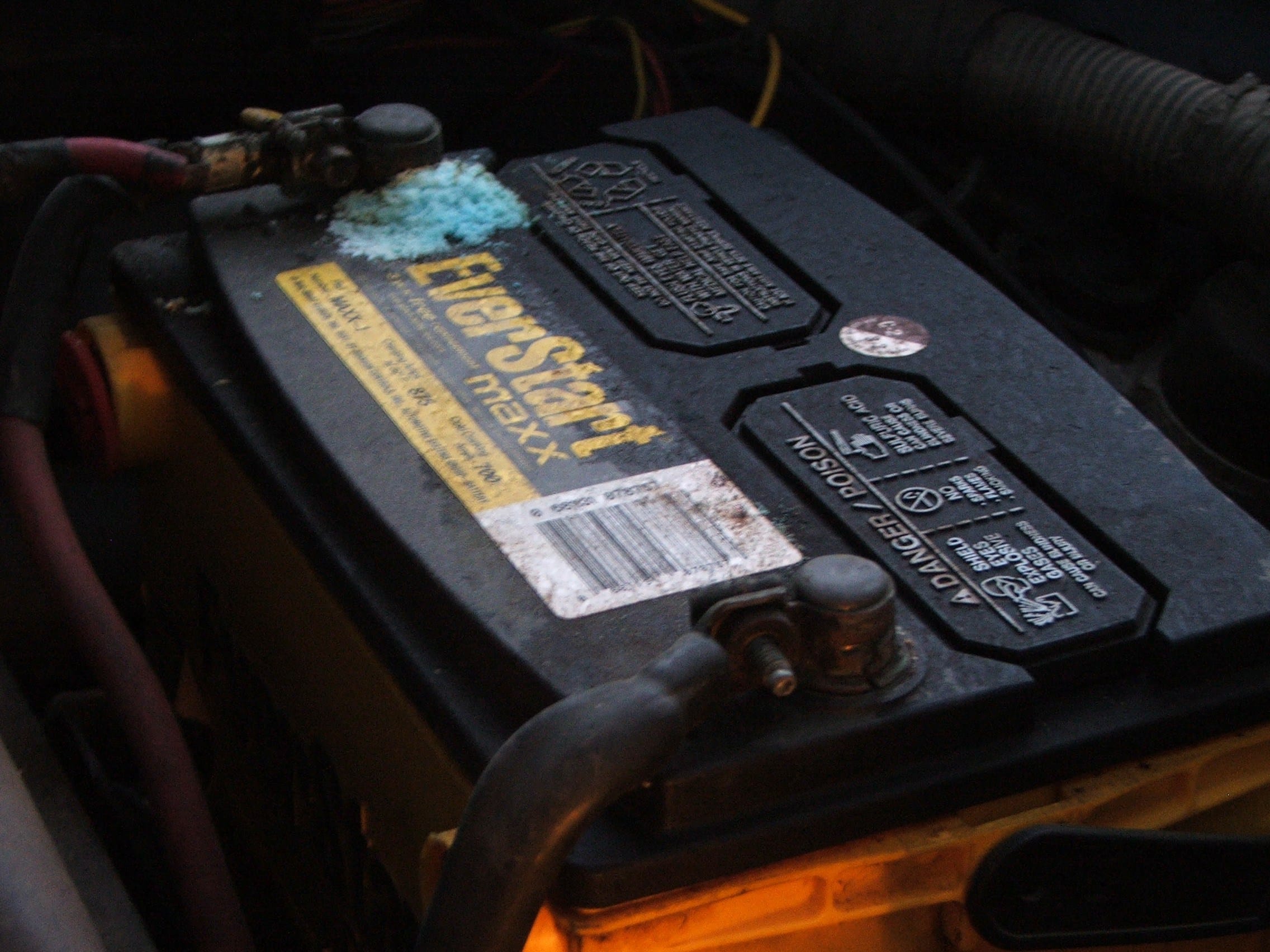
Unlike a standard 12-volt battery, a traction battery contains numerous cells and sophisticated management electronics. Repairs may require specialized diagnostic equipment, safety procedures, cooling-system work, and programming.
Depending on the vehicle, replacement can cost several thousand dollars to more than $10,000. However, not every hybrid or EV will require a complete battery replacement.
3. Transmission Replacement
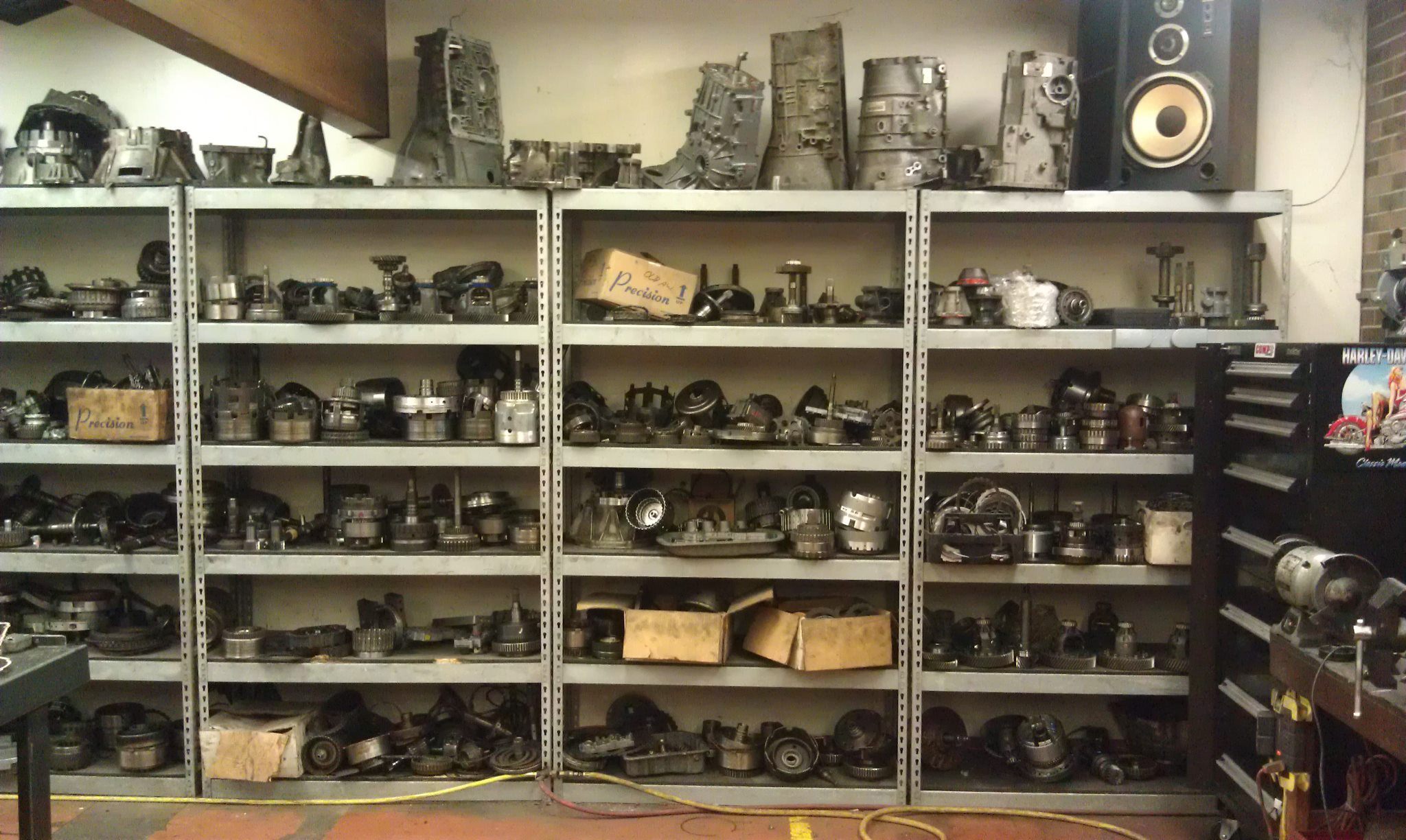
A failed transmission can create another major repair bill. Automatic transmissions contain numerous precision components, including gears, clutches, bearings, solenoids, valve bodies, torque converters, and electronic controls.
A transmission replacement may cost approximately $3,000 to $8,000+, although luxury and performance vehicles can cost considerably more.
4. Major Collision Repair
A severe accident can produce one of the largest repair bills a vehicle owner encounters. Modern vehicles contain complex structural, mechanical, electrical, and driver-assistance systems.
A major collision may damage the:
- Frame or unibody
- Suspension and steering
- Engine or transmission
- Airbags
- Wiring
- Cameras and radar
- Sensors and lighting
Severe collision repairs can exceed $10,000 or more. If the repair cost exceeds the vehicle’s value, an insurance company may consider the vehicle a total loss.
5. Engine Rebuild
An engine rebuild involves removing and disassembling the existing engine, inspecting its components, replacing damaged parts, and carefully reassembling it.
The work may include cylinder-head repairs, bearing replacement, piston and ring work, crankshaft inspection, new seals and gaskets, and machine-shop services.
A rebuild can cost approximately $3,000 to $10,000+, depending on the engine and extent of damage.
Why Do Major Car Repairs Cost So Much?
A major repair bill includes more than the replacement part. Costs can include:
- Parts: Major components can cost thousands of dollars.
- Labor: Removing and installing engines or transmissions can take many hours.
- Diagnostics: Technicians must identify the exact cause of the problem.
- Specialized equipment: Modern vehicles often require advanced diagnostic and calibration equipment.
- Fluids and supplies: Repairs may require oil, coolant, filters, seals, and gaskets.
- Programming: Some replacement components require electronic programming or calibration.
Labor Can Increase the Final Bill
For example, if a shop charges $150 per hour and an engine replacement requires 15 hours, labor alone would be:
15 × $150 = $2,250
If the engine costs $5,000, the subtotal is already $7,250, before fluids, filters, gaskets, diagnostics, and other services are added.
Is It Worth Repairing an Expensive Car?
Sometimes a major repair makes financial sense, and sometimes replacing the vehicle is the better option.
Before spending thousands of dollars, consider:
- Current vehicle value
- Mileage and age
- Maintenance history
- Overall condition
- Rust
- Tire, brake, and suspension condition
- Other known mechanical problems
- Expected future repairs
For example, a $7,000 engine replacement may be reasonable if the vehicle is otherwise reliable and in excellent condition. It may not make sense if the vehicle is older and already needs thousands of dollars in additional repairs.
How to Decide Whether to Repair or Replace Your Car
1. Get an Accurate Diagnosis
Make sure you know exactly what failed and whether additional damage exists.
2. Get a Written Estimate
Ask the repair shop to provide parts, labor, diagnostic charges, additional services, warranty information, and the total estimated cost.
3. Determine Your Vehicle’s Value
Research the vehicle’s current value based on its year, make, model, trim, mileage, and condition.
4. Consider Future Repairs
Don’t focus only on today’s repair. Ask what other major maintenance or repairs the vehicle may need over the next year or two.
5. Compare Your Options
Depending on the situation, you may choose to repair the vehicle, install a used or remanufactured component, or replace the vehicle altogether.
New vs. Used vs. Remanufactured Parts
| Option | Potential Advantage | Potential Concern |
| New/OEM | Factory-quality replacement | Usually more expensive |
| Aftermarket | May cost less | Quality varies |
| Used | Lower upfront cost | History may be unknown |
| Remanufactured | Rebuilt to specifications | Quality depends on supplier |
The cheapest component isn’t always the best long-term value. Consider quality, warranty, reliability, and expected service life.
How to Prevent Expensive Car Repairs
You can’t prevent every major failure, but regular maintenance can reduce the risk.
Follow the manufacturer’s recommended schedule for oil changes, fluids, filters, inspections, and cooling-system maintenance.
Don’t ignore warning signs such as:
- Overheating
- Low oil-pressure warnings
- Strange noises
- Transmission slipping
- Burning smells
- Fluid leaks
- Check-engine lights
- Loss of power
- Unusual vibrations
A small problem can become a much larger and more expensive failure when ignored.
Frequently Asked Questions
What is the most expensive repair on a car?
There isn’t one universal answer. Engine replacement, transmission replacement, hybrid/EV battery replacement, and major collision repairs are among the most expensive, with some repairs exceeding $10,000.
Is an engine replacement more expensive than a transmission replacement?
Often, but not always. Engine replacement commonly costs thousands of dollars and can exceed $10,000, while transmission replacement can also become extremely expensive on certain vehicles.
How much does it cost to replace an engine?
A broad estimate is $4,000–$12,000+, including parts and labor. The actual price depends on the vehicle, engine, parts source, labor rate, and additional work required.
What is the most expensive part of an electric car?
The high-voltage battery pack is often one of the most expensive individual components in an EV. Replacement costs vary significantly by vehicle and battery design.
Is it worth repairing a car with a $10,000 repair?
It depends on the vehicle’s value, condition, mileage, maintenance history, and expected future repairs. A $10,000 repair may make sense for a valuable vehicle in excellent condition but not for an older vehicle with multiple major problems.
How can I avoid expensive car repairs?
Follow the manufacturer’s maintenance schedule and address warning lights, leaks, unusual noises, overheating, vibrations, and performance problems as soon as possible. Early diagnosis can sometimes prevent a smaller issue from becoming a major repair.
Conclusion
So, what’s the most expensive repair on a car? For conventional gasoline and diesel vehicles, major engine and transmission repairs are among the most expensive mechanical repairs. For hybrid and electric vehicles, high-voltage battery replacement can be similarly costly, while severe collision damage can produce even larger bills.
A major repair doesn’t automatically mean you need a new vehicle. Get an accurate diagnosis, obtain a detailed estimate, compare the repair cost with your vehicle’s value, and consider its overall condition and future repair needs.
If you’re looking for Car Repair Plainfield IL, Car Repair Near Me, Auto Repair, Auto Repair Near Me, Automotive Repair, Brake Shop, Brake Repair, Brake Repair Plainfield IL, or Brake Service, contact Last Chance Auto Repair For Cars Trucks in Plainfield, IL.
For professional diagnostics, maintenance, brake service, and automotive repairs, call 815-577-0327 to discuss your vehicle’s needs.
