Last Chance Auto Repair

Auto Repair Shop In Plainfield, IL

Auto Repair Shop In Plainfield, IL

Auto Repair In Plainfield At Its Finest. Serving Plainfield, Naperville, Bolingbrook, Romeoville, Chicagoland since 1978.

  • Services
        • Brake Repair
          • Brakes Near Me
          • Brakes Plainfield
          • Brakes Naperville
          • Brakes Bolingbrook
          • Brake Rotor Replacement
          • Save On Brakes
        • Emissions Repair
        • Asian Repair
        • European Repair
        • Classic & Vintage
        • Truck Repair
          • Medium Duty Repair
        • Fleet Repair
        • Charging System Repair
          • Alternator Repair
          • Alternator Replacement
        • A/C Repair
          • A/C Recharge Service
          • A/C Condenser Repair
          • A/C Compressor Repair
        • Cooling System
          • Radiator Services
          • Water Pump Replacement
          • Thermostat Replacement
        • Steering System
        • Auto Maintenance
          • Auto Tune-Up
          • Oil Change
          • Batteries
        • Engine Services
          • Starter Replacement
          • Timing Belt Replacement
          • Timing Chain Replacement
          • Cylinder Heads
          • Auto Machine Shop
        • Transmissions
          • Clutch Replacement
          • Torque Converter Replacement
        • Transfer Cases
        • Carburetors
        • Driveshaft Service
        • Diesel Repair
        • Electrical Repair
        • Suspension Repair
          • Shocks & Struts
          • Ball Joint Replacement
          • Alignment Shop
        • Exhaust Repair
          • Catalytic Converter
        • Differential Repair
        • Diagnostic
        • Auto Glass Repair
        • Auto Body Shop
        • Welding Service
        • Vehicle Inspection
        • Tire Replacement
  • Vehicles
          • DOMESTIC
          • Buick Repair
          • Cadillac Repair
          • Chevrolet Repair
          • Corvette Repair
          • Dodge Repair
          • Ford Repair
          • GMC Repair
          • Hummer Repair
          • Jeep Repair
          • RAM Repair
          • ASIAN
          • Acura Repair
          • Daewoo Repair
          • Honda Repair
          • Hyundai Repair
          • Infiniti Repair
          • Isuzu Repair
          • KIA Repair
          • Lexus Repair
          • Mazda Repair
          • Nissan Repair
          • Mitsubishi Repair
          • Scion Repair
          • Subaru Repair
          • Suzuki Repair
          • Toyota Repair
          • EUROPEAN
          • BMW Repair
          • Fiat Repair
          • Jaguar Repair
          • Land Rover Repair
          • Mercedes Benz Repair
          • MINI Cooper Repair
          • Porsche Repair
          • Saab Repair
          • Smart Repair
          • Volkswagen Repair
          • Volvo Repair
  • Towing
        • 24 Hour Towing
        • Towing Plainfield
        • Towing Bolingbrook
        • Roadside Assistance
        • Lockout Service
        • Jump Start Service
        • Mobile Battery Replacement
        • Toolbox Towing
  • Storage
    • Outdoor Car Storage
  • Coupons
        • Low Cost Guaranteed
        • Transmissions
        • Free Brake Inspection
        • Air Conditioning
        • Oil Change Specials
        • Free Computer Scan
        • Teacher Discount
        • Senior Citizen Discount
  • Blog
  • About Us
    • Reviews
    • Now Hiring
    • Mechanic Jobs
    • Brake Repair FAQs
  • Contact Us
  • Write A Review

Why Clutch Replacement Is Crucial for Car Longevity

Why Clutch Replacement Is Crucial for Car Longevity

How timely clutch replacement can extend the life of your vehicle

The clutch in your car plays a vital role in its overall performance and longevity. As a crucial component of the transmission system, the clutch allows for smooth engagement and disengagement of power between the engine and the wheels. Over time, however, wear and tear can degrade its efficiency, potentially leading to costly repairs and affecting the lifespan of your vehicle.

Understanding the Clutch System
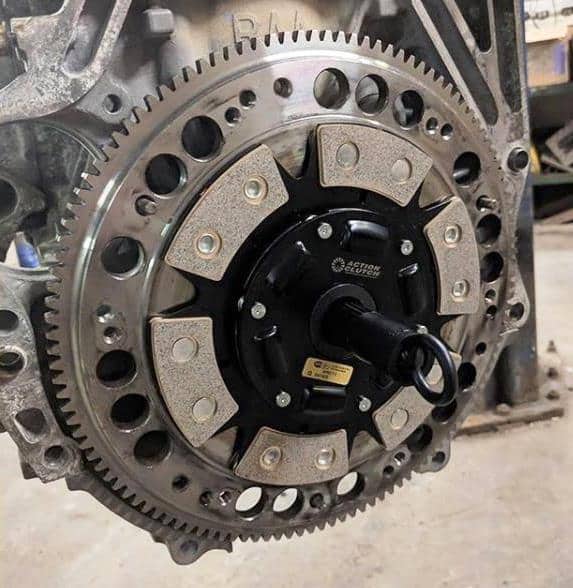
To grasp why clutch replacement is so important, it’s essential first to understand its function. In a manual transmission vehicle, the clutch enables the driver to change gears smoothly by temporarily disconnecting the engine from the gearbox. This disconnection allows for smooth shifts between gears, facilitating acceleration and deceleration without stalling the engine.

The clutch system consists of several components, including the clutch plate (or disc), pressure plate, flywheel, release bearing, and sometimes a pilot bearing or bushing. These components work together to transmit power from the engine to the transmission while managing the energy transfer during gear changes.

Signs Your Clutch Needs Replacement

Like any mechanical part, clutches wear down over time due to friction and heat generated during operation. Recognizing the signs of clutch wear can prevent more extensive damage to your vehicle and ensure optimal performance. Here are some common indicators that your clutch may need replacement:

  • Slipping Clutch: One of the most noticeable signs is a slipping clutch, where the engine revs increase without a corresponding increase in vehicle speed. This occurs because the clutch disc has become worn, reducing its ability to grip the flywheel properly.
  • Difficulty Shifting Gears: If you find it challenging to shift gears smoothly, especially experiencing grinding or resistance, it could indicate issues with the clutch linkage, hydraulics, or worn-out clutch components.
  • Strange Noises: Unusual noises such as squealing, grinding, or rattling when you press the clutch pedal could suggest problems with the clutch release bearing or other components.
  • Soft or Spongy Clutch Pedal: A clutch pedal that feels soft or spongy when pressed may indicate air in the hydraulic system, leaks, or worn-out clutch components.
  • Burning Smell: A burning smell, especially when engaging the clutch, could indicate overheating of the clutch components due to excessive slipping.

Importance of Timely Clutch Replacement

Ignoring these warning signs and postponing clutch replacement can lead to more severe damage and higher repair costs down the road. Here are several reasons why timely clutch replacement is crucial for maintaining your car’s longevity:

Prevents Further Damage

A worn-out clutch can cause damage to other transmission components, such as the flywheel and pressure plate, if not replaced promptly. Addressing clutch issues early can prevent more extensive and costly repairs.

Improves Driving Experience

A new clutch restores smooth engagement and precise control over gear shifts, enhancing the overall driving experience. It eliminates the frustration of dealing with a slipping or difficult-to-shift clutch.

Enhances Safety

A failing clutch can compromise vehicle control and responsiveness, especially in critical situations such as merging onto highways or navigating steep terrain. Ensuring your clutch is in good condition contributes to safer driving.

Preserves Engine Life

 A properly functioning clutch reduces strain on the engine and drivetrain, promoting longer engine life and better fuel efficiency. It allows the engine to operate within its optimal performance range without excessive wear.

Maintains Resale Value

Regular maintenance and timely repairs, including clutch replacement, help maintain your vehicle’s resale value. Potential buyers are more likely to pay a premium for a well-maintained car with documented service records.

Choosing the Right Clutch Replacement

When it comes time to replace your clutch, several factors should influence your decision:

Quality of Parts

Selecting high-quality clutch components from trusted manufacturers ensures longevity and reliable performance. These parts undergo rigorous testing and are designed to withstand the demands of your vehicle’s transmission system for extended periods.

Professional Installation

While DIY projects are tempting, professional installation by skilled technicians ensures proper fitting and adjustment of the clutch components. This professional touch reduces the risk of premature wear and ensures that your vehicle operates smoothly.

Warranty Coverage

Evaluate the warranties offered by both the parts manufacturer and the repair shop. A comprehensive warranty provides peace of mind, covering potential defects or failures in the clutch components during the specified period.

OEM vs. Aftermarket Parts

OEM parts, specifically designed for your vehicle model, ensure precise fit and performance. They are engineered to meet the manufacturer’s standards, offering reliability and compatibility. Aftermarket parts may offer cost savings but vary in quality and compatibility.

Driving Habits and Needs

Consider how you use your vehicle. For towing or high-performance driving, choose a clutch that matches your vehicle’s power output and handling requirements. Matching the clutch to your driving habits ensures optimal performance and durability.

Warranty Considerations for Clutch Replacement

When replacing your car’s clutch, warranty coverage is a crucial factor to consider. A comprehensive warranty provides assurance against premature defects or failures in the clutch components. Manufacturers often offer warranties that vary in duration and coverage, ranging from basic to extended warranties that encompass both parts and labor. It’s advisable to carefully review the terms and conditions of these warranties, ensuring they align with your expectations and driving habits. Additionally, reputable repair shops may offer their warranties on the installation and workmanship, adding an extra layer of protection and peace of mind.

In choosing a clutch replacement, prioritize warranties that offer substantial coverage and are supported by reputable manufacturers or service providers. This proactive approach not only safeguards your investment but also ensures that any unexpected issues with the replacement clutch can be promptly addressed without incurring additional costs.

How Driving Habits Impact Clutch Longevity

Your driving habits play a significant role in determining the lifespan of your car’s clutch. Aggressive driving, such as rapid acceleration, frequent gear changes, or riding the clutch, accelerates wear and tear on the clutch components. Such habits increase friction and heat, which can lead to premature wear of the clutch disc and pressure plate. On the other hand, driving with a lighter foot, smoothly engaging gears, and avoiding excessive clutch slipping can significantly extend the clutch’s lifespan.

It’s essential to be mindful of how you drive and adjust your habits to minimize stress on the clutch system. By adopting smoother driving techniques and avoiding unnecessary clutch use, you not only enhance clutch longevity but also contribute to overall vehicle efficiency and performance. Regular maintenance and periodic inspections by a qualified technician can further ensure that your clutch remains in optimal condition, supporting smooth operation and prolonging its lifespan.

Tips for Choosing the Right Clutch ReplacementClutch Replacement

  • Quality Matters: Opt for high-quality clutch components from reputable manufacturers. Quality parts are crucial for durability and reliable performance under various driving conditions.
  • Match OEM Specifications: Choose a clutch that matches your vehicle’s Original Equipment Manufacturer (OEM) specifications. OEM parts are designed to fit seamlessly and perform as intended by the vehicle manufacturer.
  • Consider Your Driving Style: Assess your typical driving habits. If you frequently tow heavy loads or engage in spirited driving, opt for a clutch that can handle higher torque and heat levels without compromising performance.
  • Read Reviews and Recommendations: Research customer reviews and seek recommendations from trusted automotive professionals. Feedback from other users can provide insights into the reliability and performance of different clutch options.
  • Evaluate Warranty Coverage: Check the warranty offered by the clutch manufacturer or repair shop. A comprehensive warranty provides peace of mind and ensures that you’re covered in case of premature failure or defects in the replacement clutch components.

Conclusion 

Understanding the importance of clutch replacement is vital for maintaining your vehicle’s longevity and performance. A well-maintained clutch ensures smooth gear shifts, reduces wear on other transmission components, and enhances overall driving experience. At Last Chance Auto Repair in Plainfield, IL, we emphasize the significance of choosing quality clutch replacements that meet OEM standards and are installed by experienced technicians. By prioritizing proper maintenance, matching driving habits with the right clutch, and considering warranty coverage, you can extend the life of your vehicle and enjoy trouble-free driving for years to come.

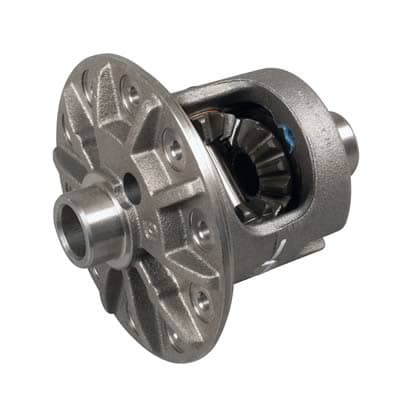
Differential Rebuild for High Mileage Vehicles

Differential Rebuild for High Mileage Vehicles

Ensuring Longevity with a Rebuilt Differential

For many car enthusiasts and daily drivers alike, hitting high mileage on your vehicle is a badge of honor. It’s a testament to your vehicle’s reliability and your dedication to maintenance. However, with high mileage comes the inevitable wear and tear on various components, including one of the most crucial parts of your drivetrain: the differential. Rebuilding a differential might sound daunting, but with the right guidance, it’s entirely achievable and can breathe new life into your trusted ride.

What is a Differential?

Last Chance Auto Repair

First, let’s break down what a differential actually does. Think of it as the unsung hero of your vehicle’s drivetrain. Its primary job is to allow your wheels to rotate at different speeds, which is especially important when you’re making turns. Imagine a sprinter on a track—when they go around a curve, their inside leg moves slower than their outside leg. Your car needs to do something similar, and that’s where the differential comes in.

In essence, the differential makes sure that power from the engine is distributed evenly to the wheels while allowing them to spin at different rates. Without it, your tires would wear out much faster, and your vehicle would handle poorly on turns.

Signs Your Differential Needs a Rebuild

High mileage can take its toll on the differential, and certain symptoms can indicate it’s time for a rebuild:

Whining or Howling Noises

These noises, especially noticeable during acceleration or turning, often indicate worn internal gears within the differential. Ignoring them can lead to further damage and potentially more costly repairs down the road.

Vibrations

Unusual vibrations felt at specific speeds suggest worn components within the differential. These vibrations can affect the overall smoothness of your ride and should prompt a thorough inspection to prevent further drivability issues.

Leaking Fluid

Discovering gear oil underneath your vehicle is a clear indicator of a leaking differential seal. This leakage not only compromises the differential’s lubrication but can also lead to more severe damage if not addressed promptly.

Difficulty in Handling

If your vehicle feels unstable or exhibits poor handling, particularly noticeable during turns, the differential could be to blame. A malfunctioning differential can affect the vehicle’s ability to distribute power evenly to the wheels, impacting overall control and safety.

Uneven Tire Wear

Uneven wear patterns on your tires may signal that the differential isn’t distributing power evenly between the wheels. This issue can accelerate tire wear and affect traction, potentially compromising the vehicle’s performance and safety.

Getting Ready: Tools and Preparation

Last Chance Auto Repair

Before diving into the rebuild, gather all necessary tools and materials. Here’s a checklist:

  • Comprehensive Wrench and Socket Set: Essential for removing bolts and nuts of various sizes throughout the differential assembly.
  • Screwdrivers: Needed for prying off covers and handling smaller screws during disassembly and reassembly.
  • Torque Wrench: Critical for tightening bolts to the manufacturer’s specifications to prevent over-tightening or under-tightening.
  • Hydraulic Jack and Jack Stands: Used to safely lift and support the vehicle, providing access to the differential and ensuring stability during work.
  • Bearing Puller: Essential for removing bearings without damaging them, facilitating smooth disassembly.
  • Differential Rebuild Kit: Includes bearings, seals, gaskets, and other necessary components for replacing worn parts during the rebuild.
  • Drain Pan: Used to catch and dispose of old differential fluid safely during the draining process.
  • Brake Cleaner or Parts Cleaner: Essential for cleaning components thoroughly before inspection and reassembly to ensure optimal performance.
  • Safety Goggles and Gloves: Provide protection against debris, chemicals, and sharp edges, ensuring safety throughout the rebuild process.

Step-by-Step Differential Rebuild

Preparation and Safety First

Safety is paramount. Start by parking your car on a flat surface and engaging the parking brake. Lift the vehicle using a hydraulic jack and secure it on jack stands. Double-check the stability of your car before sliding underneath it.

Draining the Differential Fluid

Locate the differential drain plug. Position a drain pan underneath it and remove the plug to let the old fluid drain out completely. This step can be a bit messy, so have some rags or shop towels on hand to clean up any spills.

Removing the Differential Cover

Once the fluid is drained, it’s time to remove the differential cover. Carefully unscrew the bolts securing the cover. If it’s stuck, gently tap it with a rubber mallet or use a flat tool to pry it off. Be cautious not to damage the gasket surface.

Inspecting the Internal Components

With the cover off, you’ll have a clear view of the differential’s internal components. Look for signs of wear or damage on the gears and bearings. Metal shavings or debris in the fluid can indicate significant internal wear.

Removing the Axles

In many vehicles, you’ll need to remove the axles to access the differential completely. This usually involves taking off the brake components and axle retaining bolts. Refer to your vehicle’s manual for specific instructions on axle removal.

Disassembling the Differential

Carefully remove the differential carrier and bearings. Keep track of the order and orientation of all parts during disassembly. Using a bearing puller, remove the old bearings from the carrier and pinion.

Cleaning the Components

Thoroughly clean all parts using brake cleaner or parts cleaner. Ensure that all debris, old fluid, and metal shavings are removed. Clean components ensure a smoother reassembly process and better performance.

Replacing Bearings and Seals

Install new bearings and seals from your rebuild kit. Use a press to seat them correctly. If replacing gears, ensure they match the original specifications. This step requires precision—incorrect installation can lead to premature wear or failure.

Reassembling the Differential

Begin reassembly by installing the pinion gear, setting the pinion depth and bearing preload according to the manufacturer’s specifications. Then, install the carrier and adjust the backlash (the amount of free play between the gears). Use a dial indicator to measure and adjust the backlash accurately.

Reinstalling the Axles and Differential Cover

Reinstall the axles and secure them in place. Apply a new gasket or gasket maker to the differential cover and bolt it back onto the housing. Tighten all bolts to the specified torque to avoid leaks.

Refilling the Differential Fluid

Fill the differential with the recommended type and amount of fluid. Check your vehicle’s manual for the correct specifications. Proper fluid levels are crucial for differential longevity.

Testing and Final Checks

Lower your vehicle and take it for a test drive. Listen for any unusual noises and pay attention to how it handles. Check for any leaks around the differential cover and axle seals. If everything sounds and feels right, congratulations—you’ve successfully rebuilt your differential!

Maintenance Tips for Longevity

After all the hard work of rebuilding your differential, you’ll want to ensure it lasts as long as possible. Here are some tips for keeping it in top shape:

Regular Fluid Changes

Changing the differential fluid at manufacturer-recommended intervals ensures optimal lubrication, reducing friction and wear on internal components, which extends the differential’s lifespan and maintains smooth operation.

Check for Leaks

Regularly inspect the differential for leaks, as even minor leaks can lead to fluid loss, overheating, and accelerated wear of gears and bearings, compromising performance and longevity.

Monitor for Noises

 Stay alert for unusual noises emanating from the differential area, such as whining or grinding sounds. Prompt investigation and resolution of these noises can prevent further damage and costly repairs.

Proper Driving Habits

Practice smooth driving techniques to lessen strain on the differential. Avoid sudden acceleration, aggressive turns, and abrupt stops, which can stress differential components and contribute to premature wear and potential failures.

Professional Inspections

Arrange regular inspections by a qualified mechanic, particularly if you detect abnormal symptoms like vibrations or handling issues. Professional evaluation helps identify potential problems early, allowing for timely repairs and optimal differential performance and longevity.

Why Rebuild Instead of Replace?

Rebuilding a differential instead of opting for outright replacement offers several compelling advantages, particularly for high mileage vehicles. Firstly, it can be a more cost-effective solution. Rebuild kits typically include essential components like bearings, seals, and gaskets, allowing you to replace only worn-out parts rather than the entire differential unit. This approach not only saves money but also preserves the originality of your vehicle, which is especially important for classic or vintage cars where finding exact replacements can be challenging or expensive.

Secondly, rebuilding allows for customization and potentially upgrades. You can choose to install higher-quality bearings or gears that may enhance performance or durability compared to stock components. Moreover, undertaking a rebuild provides an opportunity to gain deeper insights into your vehicle’s mechanics. It’s a hands-on learning experience that empowers enthusiasts to understand and maintain their vehicles better, fostering a sense of satisfaction and connection with their automotive investments. Overall, rebuilding a differential combines economic benefits with customization potential and knowledge enrichment, making it a preferred choice for many discerning car owners.

Conclusion 

Choosing to rebuild rather than replace the differential in your high mileage vehicle can prove to be a prudent choice. This approach not only prolongs the lifespan of critical drivetrain components but also presents opportunities for cost savings and customization. At Last Chance Auto Repair in Plainfield, IL, the significance of maintaining your vehicle’s performance and longevity is well understood. Whether addressing issues like whining noises, vibrations, or handling concerns, expert services are available to ensure meticulous differential rebuilds. Trust in the expertise offered here for your automotive needs and witness firsthand the impact of quality service on your vehicle’s reliability and efficiency over the long haul.

How Heating & Cooling Affects Car Performance

How Heating & Cooling Affects Car Performance

Understanding the Impact on Your Vehicle

When you think about your car’s performance, you probably consider factors like engine power, fuel efficiency, and handling. However, one crucial aspect that often gets overlooked is the role of heating and cooling systems. These systems aren’t just about keeping you comfortable during your drive; they play a significant role in how well your vehicle performs. Let’s dive into how heating and cooling systems affect your car’s performance and why you should pay attention to them.

The Basics of Vehicle Heating and Cooling Systems

Last Chance Auto RepairBefore diving into the specifics, it’s essential to grasp the fundamentals of vehicle heating and cooling systems. The heating system in your car utilizes heat generated by the engine to warm the cabin, ensuring a comfortable environment for passengers during cold weather. This system works by directing engine coolant through the heater core, a small radiator that transfers heat to the cabin’s air. This process not only keeps you warm but also helps in defrosting windows, maintaining clear visibility.

On the other hand, the cooling system’s primary function is to regulate the engine’s temperature, preventing it from overheating. It does this by circulating coolant through the engine and radiator, absorbing excess heat and dissipating it away. Both systems are interconnected, relying on the same coolant and overall circulation system, making them crucial for maintaining optimal vehicle performance. A well-functioning heating and cooling system ensures the engine runs efficiently, prevents overheating, and enhances overall driving comfort and safety.

How the Cooling System Impacts Performance

Engine Temperature Regulation

The primary function of the cooling system is to maintain the engine’s temperature within an optimal range. An internal combustion engine generates a lot of heat, and if this heat isn’t managed correctly, it can lead to overheating. Overheating can cause severe damage, including warped cylinder heads, blown head gaskets, and even complete engine failure.When the engine runs at the right temperature, it performs more efficiently. The coolant circulates through the engine, absorbing excess heat and releasing it through the radiator. This process ensures that the engine doesn’t get too hot, maintaining its performance and longevity.

Fuel Efficiency

Believe it or not, your car’s cooling system also impacts fuel efficiency. When an engine operates at the right temperature, it burns fuel more efficiently. Overheating can lead to incomplete combustion, which means your car uses more fuel to generate the same amount of power. Keeping the cooling system in top shape helps ensure that your engine runs efficiently, saving you money on fuel in the long run.

Emissions Control

Modern cars are equipped with emissions control systems that help reduce the number of harmful pollutants released into the environment. These systems often rely on the engine running at a specific temperature to function correctly. If the cooling system fails and the engine overheats, it can cause the emissions control system to malfunction, leading to increased emissions and potentially failing emissions tests.

The Role of the Heating System

Cabin Comfort

While the primary function of the heating system is to keep you warm during cold weather, it also plays a role in overall vehicle performance. A comfortable driver is a more focused driver. If you’re shivering and uncomfortable, your ability to concentrate on the road diminishes, which can affect your driving performance and safety.

Defrosting and Visibility

The heating system also plays a crucial role in defrosting your windows. Clear visibility is essential for safe driving. If your heating system isn’t working correctly, it can take longer to defrost your windows, which can be a safety hazard, especially in cold weather conditions.

Interconnected Systems: HVAC

Last Chance Auto Repair

Modern vehicles often use an integrated Heating, Ventilation, and Air Conditioning (HVAC) system, which combines heating and cooling functionalities. This system ensures that both the cabin and the engine maintain optimal temperatures, enhancing overall vehicle performance.

Climate Control

Advanced climate control systems can automatically adjust the heating and cooling to maintain a set temperature inside the cabin. This feature ensures that you stay comfortable without constantly fiddling with the controls, allowing you to focus on driving.

Battery Management in Hybrids and EVs

For hybrid and electric vehicles, the HVAC system also manages the temperature of the battery pack. Batteries operate most efficiently within a specific temperature range. If they get too hot or too cold, their performance and lifespan can be compromised. Proper heating and cooling of the battery pack ensure that your hybrid or EV runs efficiently and lasts longer.

Common Heating and Cooling Issues

To keep your car running smoothly, it’s crucial to be aware of common heating and cooling issues and how to address them.

Coolant Leaks

Coolant leaks are one of the most common problems in a car’s cooling system. If you notice a sweet-smelling liquid under your car, it could be a sign of a coolant leak. Addressing this issue promptly can prevent engine overheating and potential damage.

Radiator Problems

The radiator plays a critical role in dissipating heat from the coolant. If it’s clogged or damaged, it can’t do its job effectively. Regular maintenance and inspections can help identify radiator issues before they become severe.

Thermostat Failure

The thermostat regulates the flow of coolant through the engine. If it gets stuck in the closed position, it can cause the engine to overheat. Conversely, if it gets stuck open, the engine may not reach its optimal operating temperature, affecting performance and fuel efficiency.

Heater Core Issues

The heater core is responsible for warming the cabin. If it’s clogged or leaking, your heating system won’t work correctly. This issue can also affect the cooling system since the heater core is part of the overall coolant circulation.

HVAC System Malfunctions


In modern cars, HVAC systems are controlled by complex electronics. If these electronics malfunction, it can lead to issues with both heating and cooling. Regular diagnostic checks can help catch these problems early.

Maintenance Tips for Optimal Performance

Proper maintenance of your car’s heating and cooling systems is crucial for ensuring optimal performance. Here are some tips to keep these systems in top shape:

Regular Coolant Checks


Check your coolant levels regularly and top them off if necessary. Use the coolant type recommended by your vehicle’s manufacturer.

Inspect for Leaks

Periodically inspect your car for any signs of coolant leaks. Catching leaks early can prevent more severe issues down the line.

Flush the Cooling System

Over time, coolant can become contaminated and lose its effectiveness. Flushing the cooling system and replacing the coolant at recommended intervals can help maintain its efficiency.

Check the Thermostat

If you notice your engine running hotter or cooler than usual, it could be a sign of a thermostat issue. Have it inspected and replaced if necessary.

Maintain the Radiator

Keep the radiator clean and free of debris. If you notice any damage or clogs, have it repaired or replaced promptly.

Service the HVAC System

Regularly service your HVAC system, especially before the hot summer and cold winter months. Ensure that the system is functioning correctly and that all controls are responsive.

Conclusion 

Understanding how heating and cooling systems impact your car’s performance is crucial for maintaining a reliable and efficient vehicle. At Last Chance Auto Repair For Cars Trucks in Plainfield, IL, we emphasize the importance of regular maintenance for these systems. Proper heating ensures cabin comfort and safety through effective defrosting, while an efficient cooling system prevents engine overheating, ensuring optimal performance and fuel efficiency. Don’t overlook these vital systems; keep your vehicle running smoothly by addressing any issues promptly. For expert maintenance and repairs, trust the professionals at Last Chance Auto Repair For Cars Trucks.

  • « Previous Page
  • 1
  • …
  • 11
  • 12
  • 13
  • 14
  • 15
  • …
  • 72
  • Next Page »

Reviews

[RICH_REVIEWS_SHOW category=”Auto Repair In Plainfield” num=”3″]
[RICH_REVIEWS_SNIPPET category=”all”]

Facebook Posts

Last Chance Auto Repair For Cars Trucks

3 weeks ago

Last Chance Auto Repair For Cars Trucks
⚡️ Battery light on? Headlights flickering? Random electrical glitches? Your car’s charging system might be warning you before it leaves you stranded.

We just published a simple, no-fluff guide that explains how your charging system works, what causes failures, and the top signs of alternator vs battery vs wiring issues—so you know what to do next (and don’t waste money guessing). ✅

📖 Read the blog here: lastchanceautorepair.blogspot.com/2026/03/Automotive-Charging-Systems-101-At-Last-Chance-Auto-Rep...

Learn more here: www.lastchanceautorepairs.com/alternator-repair-plainfield-naperville-bolingbrook-il/

Learn more here: www.lastchanceautorepairs.com/alternator-replacement-plainfield-il/

Need it tested the right way?
Last Chance Auto Repair For Cars Trucks
📍 12052 S Naper Plainfield Rd, Plainfield, IL 60585
📞 (815) 577-0327

#PlainfieldIL #AutoRepair #ChargingSystem #AlternatorRepair #CarMaintenance #CheckEngineLight #AlternatorReplacementPlainfieldIL
... See MoreSee Less

Call Now

Photo

View on Facebook
· Share

Share on Facebook Share on Twitter Share on Linked In Share by Email

Last Chance Auto Repair For Cars Trucks

4 weeks ago

Last Chance Auto Repair For Cars Trucks
Is your battery light on? ... See MoreSee Less

Post from Last Chance Auto Repair For Cars Trucks

youtube.com

Charging system repair in Plainfield, IL 🔋🚗—if your battery light pops on, the car cranks slow, headlights dim at idle, or your vehicle dies randomly, don’t ...
View on Facebook
· Share

Share on Facebook Share on Twitter Share on Linked In Share by Email

Last Chance Auto Repair For Cars Trucks

4 weeks ago

Last Chance Auto Repair For Cars Trucks
Charging system repair in Plainfield, IL 🔋🚗—if your battery light is on, headlights are dim, or your car won’t stay running, don’t wait until you’re stranded. At Last Chance Auto Repair, our family-owned shop has helped drivers across Plainfield and Chicagoland since 1978 with accurate diagnostics and repairs that fix the real problem (not just the symptom). How may we help you?

✅ Full charging system testing (battery, alternator, starter draw, cables/grounds, belts)
✅ Alternator repair & replacement
✅ Parasitic draw checks & electrical troubleshooting
✅ Honest answers, clear pricing, and fast turnarounds

Learn more + book your service 👇
🔗 Charging System Repair: www.lastchanceautorepairs.com/charging-system-repair/

🔗 Alternator Replacement: www.lastchanceautorepairs.com/alternator-replacement-plainfield-il/

🔗 Alternator Repair: www.lastchanceautorepairs.com/alternator-repair-plainfield-naperville-bolingbrook-il/

🏠 Last Chance Auto Repair For Cars Trucks
📍 12052 S Naper Plainfield Rd, Plainfield, IL 60585
📞 815-577-0327

#ChargingSystemRepair #PlainfieldIL #AlternatorRepair #AlternatorReplacement #BatteryLightOn #CarWontStart #ElectricalDiagnostics #AutoRepair #CarRepair #Chicagoland #NapervilleIL #BolingbrookIL #FamilyOwned #Since1978 #LastChanceAutoRepair
... See MoreSee Less

Call Now

Photo

View on Facebook
· Share

Share on Facebook Share on Twitter Share on Linked In Share by Email

Best Auto Repair Shop in Plainfield, IL

Recent Posts

  • Auto Repair Shop Advice for Maintaining Your Car Properly
  • Trusted Auto Repair Shop Near You for Fast Service
  • Affordable Auto Repair Shop Services
  • Reliable Auto Repair Shop for All Cars
  • Benefits of Regular Maintenance at an Auto Repair Shop

Contact Us

12052 S Naper Plainfield Rd
Plainfield, IL 60585
(815) 577-0327
info@lastchanceautorepairs.com

Contact Us

12052 S Naper Plainfield Rd
Plainfield, IL 60585
(815) 577-0327
info@lastchanceautorepairs.com

Service Area

Plainfield, 60585, 60544, 60586, Naperville, 60564, Bolingbrook, 60490, 60440, Romeoville, 60446, Will, Kendall, DuPage, Counties. Our auto repair shop in Plainfield, IL, has been serving the local area plus all surrounding Chicagoland since 1978.

Learn About Naperville, IL

Learn About Plainfield, Illinois

Specialties

• Computer Diagnostic • Brake Shop • Engine Replacement • Transmission Rebuild • Clutch Replacement • Differential Rebuild • Suspension Shop • Steering • Shocks & Struts • Heating & Cooling • Electrical • Exhaust Shop • Catalytic Converter Replacement • Alignment • Domestic & Foreign Vehicle Service • Auto Repair In Plainfield, IL • Auto Repair Shops Near Me • Towing Service Near Me

Last Chance Auto Repair In Plainfield, IL | Copyright © 1978 - 2026 | All Rights Reserved | (815) 577-0327