Last Chance Auto Repair

Auto Repair Shop In Plainfield, IL

Auto Repair Shop In Plainfield, IL

Auto Repair In Plainfield At Its Finest. Serving Plainfield, Naperville, Bolingbrook, Romeoville, Chicagoland since 1978.

  • Services
        • Brake Repair
          • Brakes Near Me
          • Brakes Plainfield
          • Brakes Naperville
          • Brakes Bolingbrook
          • Brake Rotor Replacement
          • Save On Brakes
        • Emissions Repair
        • Asian Repair
        • European Repair
        • Classic & Vintage
        • Truck Repair
          • Medium Duty Repair
        • Fleet Repair
        • Charging System Repair
          • Alternator Repair
          • Alternator Replacement
        • A/C Repair
          • A/C Recharge Service
          • A/C Condenser Repair
          • A/C Compressor Repair
        • Cooling System
          • Radiator Services
          • Water Pump Replacement
          • Thermostat Replacement
        • Steering System
        • Auto Maintenance
          • Auto Tune-Up
          • Oil Change
          • Batteries
        • Engine Services
          • Starter Replacement
          • Timing Belt Replacement
          • Timing Chain Replacement
          • Cylinder Heads
          • Auto Machine Shop
        • Transmissions
          • Clutch Replacement
          • Torque Converter Replacement
        • Transfer Cases
        • Carburetors
        • Driveshaft Service
        • Diesel Repair
        • Electrical Repair
        • Suspension Repair
          • Shocks & Struts
          • Ball Joint Replacement
          • Alignment Shop
        • Exhaust Repair
          • Catalytic Converter
        • Differential Repair
        • Diagnostic
        • Auto Glass Repair
        • Auto Body Shop
        • Welding Service
        • Vehicle Inspection
        • Tire Replacement
  • Vehicles
          • DOMESTIC
          • Buick Repair
          • Cadillac Repair
          • Chevrolet Repair
          • Corvette Repair
          • Dodge Repair
          • Ford Repair
          • GMC Repair
          • Hummer Repair
          • Jeep Repair
          • RAM Repair
          • ASIAN
          • Acura Repair
          • Daewoo Repair
          • Honda Repair
          • Hyundai Repair
          • Infiniti Repair
          • Isuzu Repair
          • KIA Repair
          • Lexus Repair
          • Mazda Repair
          • Nissan Repair
          • Mitsubishi Repair
          • Scion Repair
          • Subaru Repair
          • Suzuki Repair
          • Toyota Repair
          • EUROPEAN
          • BMW Repair
          • Fiat Repair
          • Jaguar Repair
          • Land Rover Repair
          • Mercedes Benz Repair
          • MINI Cooper Repair
          • Porsche Repair
          • Saab Repair
          • Smart Repair
          • Volkswagen Repair
          • Volvo Repair
  • Towing
        • 24 Hour Towing
        • Towing Plainfield
        • Towing Bolingbrook
        • Roadside Assistance
        • Lockout Service
        • Jump Start Service
        • Mobile Battery Replacement
        • Toolbox Towing
  • Storage
    • Outdoor Car Storage
  • Coupons
        • Low Cost Guaranteed
        • Transmissions
        • Free Brake Inspection
        • Air Conditioning
        • Oil Change Specials
        • Free Computer Scan
        • Teacher Discount
        • Senior Citizen Discount
  • Blog
  • About Us
    • Reviews
    • Now Hiring
    • Mechanic Jobs
    • Brake Repair FAQs
  • Contact Us
  • Write A Review

Suspension Shop: Why Regular Inspections Matter

Suspension Shop: Why Regular Inspections Matter

When it comes to maintaining your vehicle, you might not think too much about your suspension system. After all, it’s not something you see every day, and unless something goes wrong, it might not be the first thing on your mind. But your suspension system is crucial to your car’s overall performance and safety. Regular inspections at a suspension shop can help ensure that everything is in good working order. Let’s dive into why these inspections are so important and what they can do for you.

Understanding Your Suspension System
Suspension Repair

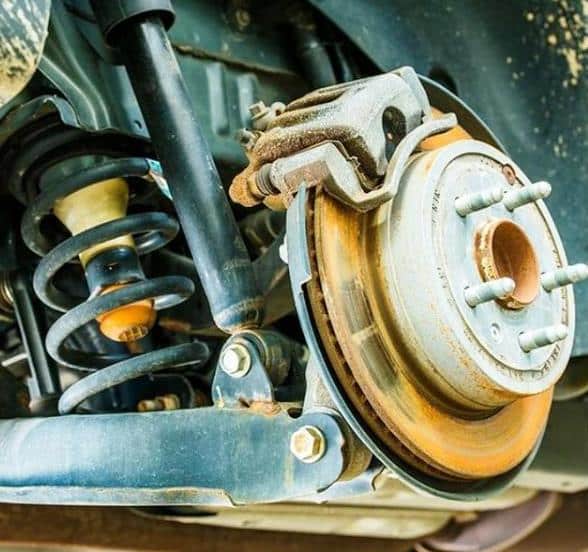
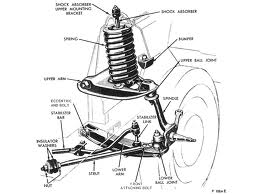
Your vehicle’s suspension system plays a crucial role in maintaining both ride quality and handling. It consists of various components that connect your car to its wheels and manage the impact from road imperfections. The suspension system absorbs shocks and vibrations, ensuring a smoother ride and better control. Key components include shock absorbers, which manage bounce and sway; struts, which support the car’s weight and control its height; springs, which absorb impacts and maintain level ride height; control arms, which link the wheel hubs to the frame; and bushings, which reduce vibration and noise.

When these components are functioning optimally, your vehicle provides a comfortable, stable, and controlled driving experience. However, if any part of the suspension system is worn or damaged, it can lead to issues like a rough ride, poor handling, and uneven tire wear. Regular inspections are essential to ensure that all these parts are working together properly, helping to prevent problems and maintain your vehicle’s performance and safety on the road.

Why Regular Inspections Are Crucial

Safety First

Your safety on the road is paramount. A well-maintained suspension system ensures that your vehicle handles properly and remains stable, especially when navigating turns or driving on uneven surfaces. Worn-out shocks or struts can lead to poor handling, longer stopping distances, and a greater risk of losing control. Regular inspections can catch these issues early and prevent dangerous situations from arising.

Preventing Costly Repairs

Catching issues early can save you a lot of money in the long run. If minor problems with your suspension system are left unchecked, they can lead to more significant damage to other parts of your vehicle. For example, worn-out shocks can lead to uneven tire wear, which can then require costly tire replacements. Regular inspections can help identify and address minor issues before they escalate into more expensive repairs.

Enhancing Ride Comfort

One of the primary functions of your suspension system is to provide a smooth and comfortable ride. If you start to notice that your ride feels bumpier than usual or that your vehicle sways excessively, it could be a sign that something is wrong with your suspension system. Regular inspections can help ensure that your suspension system is in good shape, maintaining the comfort and quality of your driving experience.

Improving Vehicle Handling

Good handling is essential for a responsive and enjoyable driving experience. Your suspension system plays a significant role in how well your vehicle handles turns, stops, and maneuvers. If your suspension components are worn or damaged, you might notice a decrease in handling performance. Regular inspections can help keep your suspension system in top condition, ensuring that your vehicle handles as it should.

Extending the Life of Your Vehicle

A well-maintained suspension system not only improves your driving experience but also contributes to the overall longevity of your vehicle. By addressing suspension issues promptly, you can help prevent additional stress and wear on other vehicle components. This proactive approach can extend the life of your car and delay the need for more significant repairs or replacements.

What to Expect During a Suspension Inspection
Last Chance Auto Repair

When you bring your vehicle to a suspension shop for an inspection, here’s what you can typically expect:

Visual Inspection

The technician will start with a visual inspection of your suspension components. They’ll check for obvious signs of wear and tear, such as leaking shock absorbers, broken springs, or damaged control arms. They’ll also look for any signs of rust or corrosion that could affect the performance of your suspension system.

Component Testing

Next, the technician will test various components of your suspension system. This might involve checking the condition of your shocks and struts by compressing and releasing them to see how well they respond. They may also test the bushings and control arms to ensure they’re functioning properly.

Test Drive

In many cases, the technician will take your vehicle for a test drive to assess how it handles and rides. They’ll pay attention to any unusual noises, vibrations, or handling issues that could indicate a problem with your suspension system.

Detailed Report

After the inspection, the technician will provide you with a detailed report of their findings. This report will outline any issues they’ve identified and recommend the necessary repairs or maintenance. They’ll also give you an estimate of the costs involved and answer any questions you might have.

Signs You Need a Suspension Inspection

It’s not always easy to know when your suspension system needs attention. However, there are some common signs that indicate it might be time for an inspection:

  • Rough Ride: If your ride feels bumpier than usual or you notice excessive bouncing, it could be a sign that your shocks or struts are worn out.
  • Uneven Tire Wear: If your tires are wearing unevenly, it might be a sign of suspension issues, such as misalignment or worn-out components.
  • Pulling to One Side: If your vehicle pulls to one side or the steering feels off, it could indicate a problem with your suspension or alignment.
  • Clunking Noises: Hearing clunking or banging noises when driving over bumps or potholes could be a sign of damaged suspension components.
  • Difficulty Steering: If you’re having trouble steering or your steering feels less responsive, it might be time for a suspension inspection.

Choosing the Right Suspension Shop

When it comes to choosing a suspension shop for your vehicle’s inspection, there are a few key factors to consider:

Experience and Expertise

Look for a shop with experienced technicians who are knowledgeable about suspension systems. They should have a good reputation for providing high-quality service and accurately diagnosing suspension issues.

Customer Reviews

Check online reviews and ask for recommendations from friends or family to find a reputable suspension shop. Positive reviews and testimonials can give you confidence in the shop’s ability to handle your suspension needs.

Diagnostic Equipment

A well-equipped shop with up-to-date diagnostic tools can provide a more accurate assessment of your suspension system. This can help ensure that any issues are identified and addressed correctly.

Transparent Pricing

Choose a shop that provides transparent pricing and detailed estimates for any recommended repairs. You should have a clear understanding of the costs involved before any work begins.

DIY vs. Professional Inspections

Although DIY car enthusiasts might be tempted to inspect their suspension systems themselves, it’s usually wiser to rely on professionals for this task. Suspension systems are intricate and require specialized knowledge, tools, and diagnostic equipment to evaluate accurately. Professionals in a suspension shop have the experience and expertise needed to identify issues that may not be immediately obvious to an untrained eye.

Attempting to handle suspension inspections or repairs on your own can lead to overlooked problems or improper fixes, potentially compromising your vehicle’s safety and performance. A professional inspection ensures a comprehensive assessment and accurate repairs, providing peace of mind and maintaining the integrity of your suspension system.

The Bottom Line

Regular inspections at a suspension shop are crucial for maintaining the safety, performance, and comfort of your vehicle. By addressing any issues early, you can prevent costly repairs, enhance your driving experience, and extend the life of your car. If you’re experiencing any signs of suspension problems or it’s been a while since your last inspection, don’t wait—schedule an appointment with a trusted suspension shop today.

Your vehicle’s suspension system plays a vital role in how well your car performs and how comfortable your ride is. Keeping it in top condition with regular inspections can make all the difference in your driving experience. So, take care of your suspension system, and it will take care of you on the road.

Conclusion

Regular suspension inspections are vital for maintaining your vehicle’s safety, performance, and comfort. A well-functioning suspension system ensures smooth handling and prevents costly repairs by addressing minor issues before they become major problems. While DIY inspections might seem tempting, professional expertise is essential for a thorough and accurate assessment. For reliable suspension services in Plainfield, IL, trust the experts at Last Chance Auto Repair For Cars Trucks. Schedule your inspection today by calling 815-577-0327 and ensure your vehicle’s suspension system is in top condition for a safer and more comfortable driving experience.

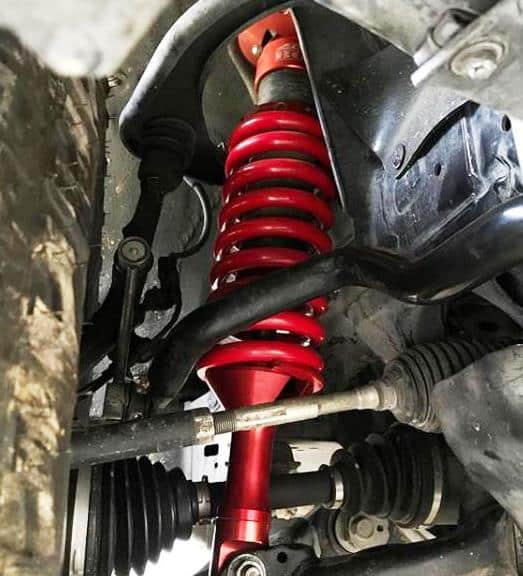
Shocks & Struts: The Impact on Your Vehicle’s Handling

Shocks & Struts: The Impact on Your Vehicle’s Handling

When it comes to your vehicle’s handling and ride quality, shocks and struts play a crucial role. Yet, they’re often overlooked until a problem arises. Understanding how shocks and struts affect your driving experience can not only enhance your safety but also improve your vehicle’s overall performance. In this comprehensive guide, we’ll dive into the significance of these components, how they work, signs of wear, and tips for maintenance and replacement.

What Are Shocks & Struts?

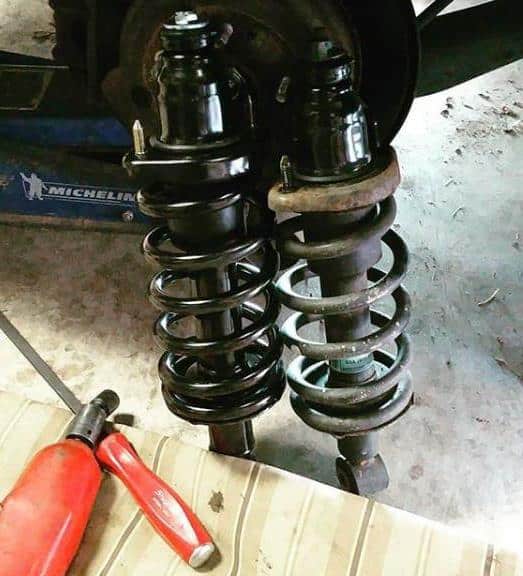
Shock Replacement Near Me, Plainfield, Naperville, IL

Before we explore their impact on your vehicle’s handling, let’s clarify what shocks and struts actually are.

Shocks

Shocks, short for shock absorbers, play a vital role in your vehicle’s suspension system. They are engineered to manage and control the movement of your vehicle’s suspension, ensuring that the tires remain firmly in contact with the road. Shocks absorb and dampen the forces generated by bumps, potholes, and uneven road surfaces, which helps to maintain a smooth and stable ride. Without effective shocks, you would experience excessive bouncing and a lack of control, impacting both comfort and safety.

Struts

Struts are a key component of your vehicle’s suspension system, serving both as shock absorbers and structural supports. Unlike shocks, struts integrate the shock-absorbing function with the structural component necessary to bear the vehicle’s weight. They support the vehicle’s load, maintain proper alignment, and contribute to overall suspension stability. By combining these functions, struts ensure that your vehicle handles well, maintains alignment, and provides a more controlled and comfortable driving experience.

The Role of Shocks in Vehicle Handling

Shocks have a direct impact on your vehicle’s handling and ride comfort. Here’s how:

Control of Suspension Movement

Shocks dampen the oscillations of the suspension system. Without them, your vehicle would bounce uncontrollably over bumps and dips. This control is crucial for maintaining stability, especially during sharp turns or sudden maneuvers.

Improved Traction

By keeping the tires in constant contact with the road, shocks enhance traction. This means better grip and control, which is vital for safe driving, especially in adverse weather conditions.

Enhanced Ride Comfort

Shocks absorb the energy from road irregularities, reducing the impact felt inside the vehicle. This results in a more comfortable and less jarring ride for passengers.

The Function of Struts in Vehicle Handling

Struts serve a vital dual role in vehicle handling by acting both as shock absorbers and as structural supports. They provide a crucial mounting point for the suspension components and bear a significant portion of the vehicle’s weight. This structural support is essential for maintaining the overall integrity of the suspension system, ensuring that all components function correctly and contribute to a stable driving experience.

In addition to structural support, struts play a key role in maintaining proper wheel alignment. Proper alignment is crucial for preventing uneven tire wear and ensuring stable handling. Struts also absorb road imperfections, much like shocks, but their role in supporting the vehicle’s weight makes them integral to overall ride quality and driving comfort.

How Worn Shocks & Struts Affect Handling

Last Chance Auto Repair

Over time, shocks and struts can wear out and lose their effectiveness. When this happens, you may notice several changes in your vehicle’s handling and performance:

  • Increased Bouncing: If you feel excessive bouncing after hitting a bump or dip, your shocks may be worn out. This can lead to a rough and uncomfortable ride.
  • Difficulty Steering: Worn struts can make your vehicle feel unstable or difficult to steer. You might experience a loose or wandering feeling, particularly during high-speed driving or cornering.
  • Uneven Tire Wear: Damaged shocks and struts can lead to uneven tire wear. This happens because the suspension system isn’t properly controlling the tire’s contact with the road.
  • Poor Braking Performance: If your vehicle dives forward excessively when braking, it may be a sign of worn struts. This can affect your braking performance and overall safety.
  • Noise and Vibration: Clunking noises or excessive vibrations when driving over rough surfaces can indicate that your shocks or struts are failing.

Signs That You Need to Replace Shocks & Struts

Regular inspection of your shocks and struts is essential for maintaining optimal vehicle performance. Here are some common signs that it might be time for a replacement:

Bounce Test

To perform a bounce test, press down firmly on the front or rear of your vehicle and release. If the vehicle continues to bounce more than two or three times after you let go, it likely indicates that your shocks or struts are worn out and may need replacing.

Visual Inspection

Inspect your shocks and struts for any signs of leakage. Look for oil stains or residue around the components, which can suggest that the seals are damaged. Leaking fluid often means the shocks or struts are no longer functioning properly and need replacement.

Handling Issues

Difficulty steering or a noticeable decrease in handling stability can signal that your shocks or struts are worn. If the vehicle feels loose or unstable, especially during sharp turns or sudden maneuvers, it may be time to have them checked or replaced.

Unusual Noises

Listen for any clunking, banging, or rattling noises when driving over bumps. These sounds often indicate that your shocks or struts are failing. Worn-out components can cause excessive noise and discomfort, signaling the need for immediate attention.

Tire Wear Patterns

Examine your tires for uneven wear patterns, such as cupping or scalloping. These irregularities can be signs of issues with your shocks or struts, as they affect the vehicle’s alignment and suspension. Uneven tire wear often points to underlying suspension problems.

Maintenance Tips for Shocks & Struts

Maintaining your shocks and struts is crucial for ensuring your vehicle handles properly and provides a smooth ride. Here are some tips to help you keep them in good condition:

  • Regular Inspections: Have your shocks and struts inspected regularly by a qualified mechanic. They can check for signs of wear and ensure that everything is functioning correctly.
  • Address Suspension Issues Promptly: If you notice any signs of wear or handling issues, address them promptly. Ignoring problems can lead to more significant damage and safety concerns.
  • Keep Your Vehicle Aligned: Regular wheel alignments can help prevent premature wear on your shocks and struts. Proper alignment ensures that your vehicle’s suspension components work efficiently.
  • Drive Smoothly: Avoid aggressive driving, sudden stops, and sharp turns. Smooth driving reduces stress on your suspension system and extends the life of your shocks and struts.
  • Check for Leaks: Regularly check for signs of leakage around your shocks and struts. Addressing leaks early can prevent further damage and ensure optimal performance.

Replacement of Shocks & Struts

When it’s time to replace your shocks or struts, selecting high-quality components and ensuring proper installation are crucial. OEM (Original Equipment Manufacturer) parts are specifically designed to meet your vehicle’s exact specifications, offering reliable performance. Aftermarket parts can provide additional variety and potentially improved performance, but it’s essential to choose from reputable brands to ensure compatibility and durability.

Professional installation is equally important, as a qualified mechanic can guarantee that your new shocks or struts are fitted correctly, maintaining optimal performance and safety. Additionally, consider a comprehensive suspension system check during replacement to identify any other potential issues. Although the cost of replacement can vary, investing in quality parts and proper installation will benefit you with long-term reliability and performance.

Conclusion

Understanding the role of shocks and struts is essential for maintaining a vehicle’s handling and ride quality. Shocks control suspension movement, improve traction, and enhance ride comfort, while struts provide crucial structural support and maintain alignment. Regular inspection and timely replacement of these components are key to ensuring a smooth and safe driving experience. For expert advice and high-quality replacement parts, visit Last Chance Auto Repair For Cars Trucks in Plainfield, IL. Contact 815-577-0327 to schedule a service and keep the vehicle performing at its best.

Heating & Cooling: How to Maintain Your Truck’s System

Heating & Cooling: How to Maintain Your Truck’s System

Maintaining your truck’s heating and cooling system is crucial for ensuring comfort, safety, and the overall longevity of your vehicle. Whether you’re hauling goods across state lines or just commuting around town, a well-functioning HVAC system is essential. In this guide, we’ll walk you through the best practices for keeping your truck’s heating and cooling system in top shape.

Understanding Your Truck’s HVAC System

Last Chance Auto Repair


Before diving into maintenance tips, let’s start with a brief overview of your truck’s HVAC (Heating, Ventilation, and Air Conditioning) system. This system is designed to regulate the internal temperature and air quality, making your driving experience more comfortable and safe.

Heating System

The heating system in a vehicle uses a heater core, a small, radiator-like component, to warm the cabin. Hot coolant from the engine circulates through the heater core, which heats the air. A fan then blows this warm air throughout the cabin, ensuring a comfortable temperature on cold days.

Cooling System

The cooling system, often linked with the air conditioning (AC) system, includes essential components like the compressor, condenser, evaporator, and refrigerant. It works by removing heat and humidity from the air, effectively cooling it. This system helps maintain a pleasant temperature inside the vehicle, even during extreme heat.

Ventilation System

The ventilation system controls the airflow within the vehicle’s cabin, ensuring a constant supply of fresh air and the removal of stale air. It also aids in defogging the windows by directing airflow towards the windshield and side windows, enhancing visibility and comfort during various weather conditions.

Routine Inspections and Maintenance

Regular inspections and maintenance are key to keeping your truck’s HVAC system functioning smoothly. Here’s a step-by-step guide to maintaining your system:

Check the HVAC Filters

  • Cabin Air Filter: This filter traps dust, pollen, and other airborne contaminants. A clogged cabin air filter can reduce airflow and make your HVAC system work harder. Check the filter regularly and replace it every 15,000 to 30,000 miles, or as recommended by your truck’s manufacturer.
  • Engine Air Filter: Though not directly part of the HVAC system, a clean engine air filter can help improve overall air quality in the cabin.

Inspect and Replace the Heater Core

  • The heater core can become clogged with debris or develop leaks over time. If you notice a sweet smell inside your truck or experience poor heating performance, it may be time to have the heater core inspected and replaced if necessary.

Examine the AC System

  • Refrigerant Levels: Low refrigerant levels can cause your AC to blow warm air. Check the refrigerant levels and top them up as needed. Be sure to use the correct type of refrigerant for your truck.
  • AC Compressor: The compressor is a vital component of the AC system. Listen for unusual noises when the AC is running, as this can indicate a problem with the compressor.

Inspect Belts and Hoses

  • The belts and hoses connected to your HVAC system can wear out over time. Inspect them for signs of cracks, leaks, or fraying. Replace any damaged belts or hoses to prevent HVAC system failure.

Clean the Condenser Coils

  • The condenser coils are responsible for releasing heat from the refrigerant. Over time, dirt and debris can accumulate on the coils, reducing their efficiency. Use a soft brush or compressed air to gently clean the coils.

Check for Leaks

  • Leaks in the HVAC system can lead to decreased performance and potential damage. Regularly inspect the system for any signs of leaks, including puddles of refrigerant or coolant. If you find a leak, have it repaired as soon as possible.

Seasonal Considerations

Different seasons can put varying demands on your truck’s HVAC system. Here’s how to prepare for each season:

Summer Preparation

AC System Check: Before the hot summer months arrive, it’s crucial to ensure your AC system is in top condition. Schedule a service to check refrigerant levels, as low levels can impair cooling efficiency. Additionally, listen carefully for any unusual noises from the compressor, such as grinding or squealing, which could signal a problem that needs addressing.

Ventilation Check: Proper ventilation is essential for maintaining a comfortable cabin environment during summer. Ensure the ventilation system is functioning properly to prevent the buildup of heat and humidity inside the vehicle. This includes checking that air vents are unobstructed and the fan is operating smoothly, which helps circulate cool air effectively throughout the cabin.

Winter Preparation

Heater Check: As cold weather approaches, it’s important to confirm that your heater is functioning efficiently. Have the heater core inspected for leaks or blockages that could impact heating performance. Ensure that the system is capable of providing consistent warmth, which will help keep the cabin comfortable and prevent potential frostbite during frigid temperatures.

Defroster Function: The defroster is a vital component for winter driving, as it helps keep your windshield clear of frost and condensation. Check that the defroster is working properly and directing airflow effectively. A malfunctioning defroster can impair visibility and pose safety risks, so ensure it’s in good condition before the winter season sets in.

Tips for Efficient Operation

Use the Recirculation Mode Wisely

The recirculation mode helps maintain cabin temperature by reusing the air inside. However, switching to fresh air mode occasionally is crucial to prevent stale air buildup and ensure good air quality inside the vehicle.

Pre-Condition Your Truck

On extreme weather days, pre-conditioning your truck can make a big difference. Let the HVAC system run while the truck is parked to reach a comfortable temperature before you start driving, enhancing overall comfort and system efficiency.

Avoid Overusing AC

Excessive use of the AC can strain the engine and lower fuel efficiency. To prevent this, use the AC sparingly and consider using the truck’s ventilation system for cooling when it’s practical, which can also extend the life of the AC components.

Park in the Shade

Parking in a shaded area or using a sunshade can significantly reduce the cabin temperature. This simple step lessens the load on the AC system and helps maintain a more comfortable interior temperature, especially during hot weather.

Regular Maintenance

Adhering to a regular maintenance schedule is key to efficient HVAC operation. Regularly check and address minor issues before they escalate, ensuring your system remains in good working condition and avoiding costly repairs.

When to Seek Professional Help

While many HVAC maintenance tasks can be handled on your own, certain situations call for professional expertise. If you’re dealing with complex repairs, such as issues with the compressor, evaporator, or other major components, it’s best to consult a professional. These critical parts often require specialized tools and knowledge for proper repair or replacement, which an experienced technician can provide.

Additionally, if your HVAC system continues to have problems despite regular upkeep, a professional can diagnose and resolve persistent issues. For older systems facing multiple problems, a technician may suggest a complete overhaul to restore optimal performance and reliability. Seeking expert help ensures that your HVAC system remains efficient and functional.

Keeping Your Truck Comfortable: HVAC Maintenance Tips and Tricks

Maintaining your truck’s HVAC system is crucial for a comfortable driving experience throughout the year. Regular maintenance helps ensure that the heating and cooling systems function effectively, providing a pleasant cabin environment regardless of external weather conditions. Start by checking and replacing the cabin air filter regularly to prevent dust and debris from clogging the system. Clean the condenser coils and inspect belts and hoses for wear to maintain optimal system performance.

Seasonal checks are also important—make sure the AC system is ready for summer by checking refrigerant levels and inspecting the compressor. For winter, ensure the heater is functioning properly and the defroster is effective. By staying on top of these maintenance tasks, you’ll enhance comfort, improve system efficiency, and avoid costly repairs.

How to Troubleshoot Common Issues in Your Truck’s HVAC System

Troubleshooting your truck’s HVAC system can help identify and address issues before they become major problems. Start by checking for basic issues, such as ensuring that the HVAC system is set to the correct mode and that the air filters are clean. A lack of airflow could indicate a clogged cabin air filter or a malfunctioning blower motor.

If the problem persists, listen for unusual noises like grinding or squealing, which could signal a failing compressor or other component. Check for refrigerant leaks and inspect hoses and belts for wear. If you can’t resolve the issue with these checks, it’s best to consult a professional technician to diagnose and fix more complex problems, ensuring your HVAC system functions optimally.

Conclusion

Maintaining your truck’s heating and cooling system is essential for ensuring a comfortable and efficient driving experience. By following regular maintenance practices and addressing common issues promptly, you can extend the life of the HVAC system and avoid unexpected breakdowns. If complex problems or persistent issues arise, seeking professional assistance is advisable. Last Chance Auto Repair For Cars Trucks in Plainfield, IL, offers expert service to keep your truck’s system running smoothly. For reliable support and quality service, contact 815-577-0327. Ensure that your truck’s HVAC system remains in top condition throughout the year.

  • « Previous Page
  • 1
  • …
  • 8
  • 9
  • 10
  • 11
  • 12
  • …
  • 72
  • Next Page »

Reviews

[RICH_REVIEWS_SHOW category=”Auto Repair In Plainfield” num=”3″]
[RICH_REVIEWS_SNIPPET category=”all”]

Facebook Posts

Last Chance Auto Repair For Cars Trucks

3 weeks ago

Last Chance Auto Repair For Cars Trucks
⚡️ Battery light on? Headlights flickering? Random electrical glitches? Your car’s charging system might be warning you before it leaves you stranded.

We just published a simple, no-fluff guide that explains how your charging system works, what causes failures, and the top signs of alternator vs battery vs wiring issues—so you know what to do next (and don’t waste money guessing). ✅

📖 Read the blog here: lastchanceautorepair.blogspot.com/2026/03/Automotive-Charging-Systems-101-At-Last-Chance-Auto-Rep...

Learn more here: www.lastchanceautorepairs.com/alternator-repair-plainfield-naperville-bolingbrook-il/

Learn more here: www.lastchanceautorepairs.com/alternator-replacement-plainfield-il/

Need it tested the right way?
Last Chance Auto Repair For Cars Trucks
📍 12052 S Naper Plainfield Rd, Plainfield, IL 60585
📞 (815) 577-0327

#PlainfieldIL #AutoRepair #ChargingSystem #AlternatorRepair #CarMaintenance #CheckEngineLight #AlternatorReplacementPlainfieldIL
... See MoreSee Less

Call Now

Photo

View on Facebook
· Share

Share on Facebook Share on Twitter Share on Linked In Share by Email

Last Chance Auto Repair For Cars Trucks

4 weeks ago

Last Chance Auto Repair For Cars Trucks
Is your battery light on? ... See MoreSee Less

Post from Last Chance Auto Repair For Cars Trucks

youtube.com

Charging system repair in Plainfield, IL 🔋🚗—if your battery light pops on, the car cranks slow, headlights dim at idle, or your vehicle dies randomly, don’t ...
View on Facebook
· Share

Share on Facebook Share on Twitter Share on Linked In Share by Email

Last Chance Auto Repair For Cars Trucks

4 weeks ago

Last Chance Auto Repair For Cars Trucks
Charging system repair in Plainfield, IL 🔋🚗—if your battery light is on, headlights are dim, or your car won’t stay running, don’t wait until you’re stranded. At Last Chance Auto Repair, our family-owned shop has helped drivers across Plainfield and Chicagoland since 1978 with accurate diagnostics and repairs that fix the real problem (not just the symptom). How may we help you?

✅ Full charging system testing (battery, alternator, starter draw, cables/grounds, belts)
✅ Alternator repair & replacement
✅ Parasitic draw checks & electrical troubleshooting
✅ Honest answers, clear pricing, and fast turnarounds

Learn more + book your service 👇
🔗 Charging System Repair: www.lastchanceautorepairs.com/charging-system-repair/

🔗 Alternator Replacement: www.lastchanceautorepairs.com/alternator-replacement-plainfield-il/

🔗 Alternator Repair: www.lastchanceautorepairs.com/alternator-repair-plainfield-naperville-bolingbrook-il/

🏠 Last Chance Auto Repair For Cars Trucks
📍 12052 S Naper Plainfield Rd, Plainfield, IL 60585
📞 815-577-0327

#ChargingSystemRepair #PlainfieldIL #AlternatorRepair #AlternatorReplacement #BatteryLightOn #CarWontStart #ElectricalDiagnostics #AutoRepair #CarRepair #Chicagoland #NapervilleIL #BolingbrookIL #FamilyOwned #Since1978 #LastChanceAutoRepair
... See MoreSee Less

Call Now

Photo

View on Facebook
· Share

Share on Facebook Share on Twitter Share on Linked In Share by Email

Best Auto Repair Shop in Plainfield, IL

Recent Posts

  • Auto Repair Shop Advice for Maintaining Your Car Properly
  • Trusted Auto Repair Shop Near You for Fast Service
  • Affordable Auto Repair Shop Services
  • Reliable Auto Repair Shop for All Cars
  • Benefits of Regular Maintenance at an Auto Repair Shop

Contact Us

12052 S Naper Plainfield Rd
Plainfield, IL 60585
(815) 577-0327
info@lastchanceautorepairs.com

Contact Us

12052 S Naper Plainfield Rd
Plainfield, IL 60585
(815) 577-0327
info@lastchanceautorepairs.com

Service Area

Plainfield, 60585, 60544, 60586, Naperville, 60564, Bolingbrook, 60490, 60440, Romeoville, 60446, Will, Kendall, DuPage, Counties. Our auto repair shop in Plainfield, IL, has been serving the local area plus all surrounding Chicagoland since 1978.

Learn About Naperville, IL

Learn About Plainfield, Illinois

Specialties

• Computer Diagnostic • Brake Shop • Engine Replacement • Transmission Rebuild • Clutch Replacement • Differential Rebuild • Suspension Shop • Steering • Shocks & Struts • Heating & Cooling • Electrical • Exhaust Shop • Catalytic Converter Replacement • Alignment • Domestic & Foreign Vehicle Service • Auto Repair In Plainfield, IL • Auto Repair Shops Near Me • Towing Service Near Me

Last Chance Auto Repair In Plainfield, IL | Copyright © 1978 - 2026 | All Rights Reserved | (815) 577-0327