

The hardest things to fix on a car are usually complex electrical problems, engine and transmission failures, advanced computer systems, hybrid or electric vehicle systems, and ADAS technology.
These repairs can be difficult because they require extensive diagnosis, specialized tools, technical training, and an understanding of how multiple vehicle systems work together.
The hardest repair is not always the most expensive. An intermittent electrical problem, for example, may take hours to diagnose even when the final repair involves an inexpensive component.
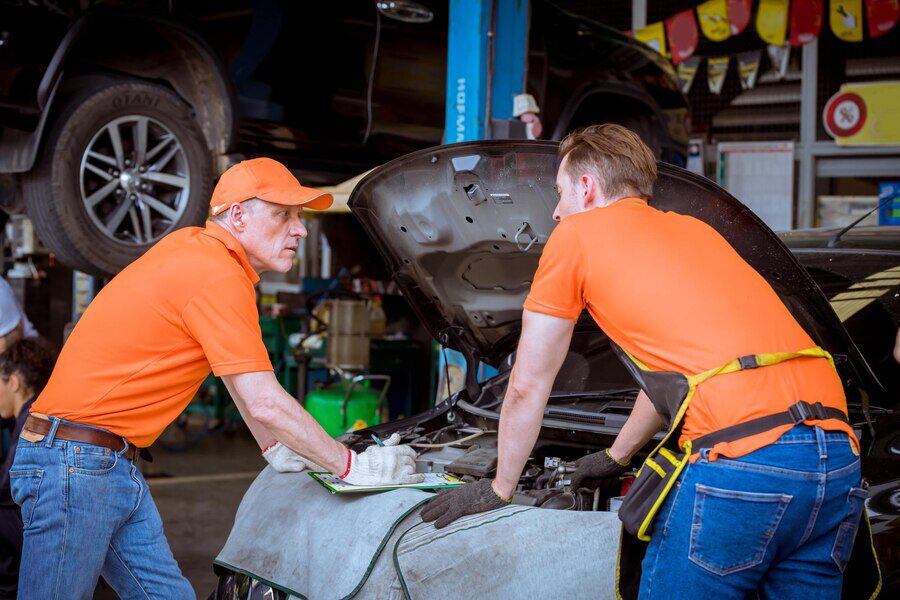
What Makes a Car Repair Difficult?
A repair can become especially challenging because of:
- Difficult access to components
- Intermittent symptoms
- Multiple possible causes
- Complex electrical systems
- Specialized diagnostic equipment
- Computer programming or calibration
- High-voltage systems
- Extensive disassembly
- Severe corrosion or previous incorrect repairs
The Hardest Car Repairs to Diagnose and Fix
1. Complex Electrical Problems
Electrical faults are among the hardest automotive problems to diagnose because the cause may be hidden.
Symptoms can include:
- Battery drain
- No-start conditions
- Random warning lights
- Flickering electronics
- Sensor failures
- Communication errors
- Intermittent stalling
A technician may need wiring diagrams, scan tools, digital multimeters, oscilloscopes, voltage-drop testing, and other diagnostic equipment.
The goal is to find the root cause, rather than simply replacing parts based on symptoms.
2. Intermittent Problems
Intermittent faults are particularly frustrating because the vehicle may operate normally when it reaches the repair shop.
Possible causes include loose connectors, damaged wiring, corrosion, weak grounds, moisture, heat-related failures, failing sensors, or control modules.
A technician may need to reproduce the problem while monitoring the vehicle’s electrical and computer systems.
3. Engine Problems
Modern engines combine mechanical, electrical, fuel, emissions, and computer-controlled systems.
Difficult engine problems can include:
- Low compression
- Internal engine damage
- Oil consumption
- Overheating
- Timing problems
- Misfires
- Poor fuel delivery
- Turbocharger failures
- Intermittent stalling
Accurate testing is important because replacing parts without confirming the cause can become expensive.
4. Transmission Problems
Modern transmissions combine mechanical, hydraulic, and electronic systems. Symptoms such as slipping, harsh shifting, delayed engagement, failure to shift, unusual noises, or fluid leaks can have several possible causes.
The problem could involve a sensor, solenoid, valve body, wiring, control module, hydraulic system, or internal mechanical components.
Not every transmission problem requires complete replacement. Proper diagnosis can identify whether a smaller repair is possible.
5. Computer and Control Module Problems
Vehicles rely on electronic modules to control the engine, transmission, airbags, brakes, climate control, security systems, steering, and other functions.
Replacing a module may require programming, coding, calibration, registration, or integration with other vehicle systems. Specialized equipment and manufacturer-specific information may therefore be necessary.
6. Hybrid and Electric Vehicle Repairs
Hybrid and electric vehicles can require specialized training because they use high-voltage electrical systems.
Repairs may involve:
- High-voltage batteries
- Electric motors
- Inverters
- Charging systems
- Battery management systems
- Regenerative braking
- Thermal management
- High-voltage wiring
These systems require appropriate safety procedures, equipment, and technical knowledge.
7. Advanced Driver-Assistance Systems
ADAS can include adaptive cruise control, lane-keeping assistance, automatic emergency braking, blind-spot monitoring, parking assistance, and collision detection.
These systems may rely on cameras, radar, sensors, and vehicle computers. If a sensor is damaged or its position changes, precise calibration may be required.
As a result, repairs involving windshields, suspension, wheels, or collision damage can sometimes require additional diagnostic and calibration procedures.
8. Wiring Harness Problems
Wiring harness faults can be extremely time-consuming to locate. A harness may contain dozens or hundreds of wires routed throughout the vehicle.
Common causes include:
- Corrosion
- Rodent damage
- Water intrusion
- Chafing
- Heat damage
- Loose connectors
- Previous repairs
Replacing a harness may also require removing portions of the interior or engine compartment.
9. Severe Rust Repairs
Rust can turn a simple repair into a major job. Seized bolts, corroded brake lines, damaged fasteners, rusted suspension components, and structural corrosion can make components difficult or unsafe to remove.
Additional labor may be necessary to repair or replace corroded parts.
Why Diagnostics Matter
Accurate diagnosis is one of the most important parts of difficult automotive repair. A professional process may include:
- Discussing the symptoms with the vehicle owner.
- Performing a visual inspection.
- Scanning electronic systems.
- Reviewing technical information.
- Testing suspected components.
- Reproducing the problem.
- Confirming the failure.
- Repairing the root cause.
- Testing the vehicle afterward.
Replacing parts without identifying the actual problem can waste time and money.
Why Difficult Repairs Can Cost More
Difficult repairs often require additional technician time, specialized tools, software, programming, calibration, or testing.
Costs may include:
- Diagnostic labor
- Replacement parts
- Repair labor
- Programming
- Calibration
- Specialized equipment
- Additional testing
A relatively inexpensive failed component can therefore result in a significant repair bill if the fault is difficult to locate.
Is the Most Difficult Repair Always the Most Expensive?
No. Difficulty and cost are not the same thing.
Replacing an expensive transmission may be relatively straightforward for an experienced technician. In contrast, diagnosing an intermittent electrical fault could take several hours even if the final repair involves a low-cost component.
Expensive does not always mean difficult, and difficult does not always mean expensive.
How to Evaluate a Difficult Repair Estimate
Before approving a major repair, ask:
- What component or system failed?
- How was the failure confirmed?
- What does the estimate include?
- Are diagnostics, programming, and calibration included?
- What warranty is provided?
- Should I get a second opinion?
For an expensive or uncertain repair, a second opinion from another qualified shop can help confirm the diagnosis and compare repair options.
How to Avoid Difficult and Expensive Repairs
Regular maintenance cannot prevent every failure, but it can reduce the risk of many problems.
Follow the manufacturer’s recommended maintenance schedule for oil, fluids, brakes, tires, battery, cooling system, and other services.
Also address warning signs early, including warning lights, strange noises, vibrations, fluid leaks, overheating, starting problems, or reduced performance.
Keeping the vehicle dry and addressing water leaks can also help prevent electrical and corrosion problems. Using appropriately trained technicians is especially important for modern vehicles with advanced electronic, hybrid, EV, and driver-assistance systems.
Frequently Asked Questions
What is the hardest thing to fix on a car?
Complex electrical faults, intermittent problems, engine and transmission failures, computer module issues, hybrid systems, EV high-voltage systems, and ADAS calibration can all be among the hardest repairs.
What is the hardest car problem to diagnose?
Intermittent electrical problems are often particularly difficult because the symptom may disappear before it can be reproduced.
Are engine and transmission repairs difficult?
They can be. Modern engines and transmissions combine mechanical, hydraulic, electrical, and computer-controlled systems, making accurate diagnosis essential.
Are electric cars harder to repair?
Some EV repairs require specialized training because of high-voltage systems and different vehicle architecture. Technicians need appropriate safety procedures, equipment, and knowledge.
Should I get a second opinion?
Yes, especially for an expensive repair or uncertain diagnosis. Another qualified shop can help confirm the problem and compare repair options.
Conclusion
The hardest thing to fix on a car is often not one specific component. The most challenging repairs tend to involve complex electrical systems, intermittent faults, advanced computer networks, engine and transmission problems, hybrid and EV technology, and ADAS systems.
These repairs require careful diagnosis, specialized equipment, technical knowledge, and sometimes programming or calibration. If your vehicle has a difficult-to-diagnose problem, avoid replacing parts based solely on symptoms. A proper diagnosis can identify the root cause and prevent unnecessary repairs.
Need Expert Auto Repair in Plainfield, IL?
If your car or truck has a difficult-to-diagnose problem, Last Chance Auto Repair For Cars Trucks in Plainfield, IL can help with professional automotive service and repair. From general Auto Repair and diagnostics to Brake Repair, getting the right diagnosis is an important first step toward solving complicated vehicle problems.
Call Last Chance Auto Repair For Cars Trucks at 815-577-0327 for Car Repair, Car Repair Plainfield IL, Car Repair Near Me, Auto Repair, Auto Repair Near Me, Automotive Repair, Brake Shop, Brake Repair, Brake Repair Plainfield IL, and Brake Service.
