If you want an easy-to-maintain car color, black and other very dark glossy colors are worth thinking twice about. Dark paint tends to show dust, water spots, scratches, swirl marks, fingerprints, and other imperfections more easily than silver or medium gray.
That doesn’t mean you should avoid black completely. If you like the appearance and don’t mind regular washing and detailing, black can look excellent. The best car color depends on maintenance, resale appeal, climate, and personal preference.
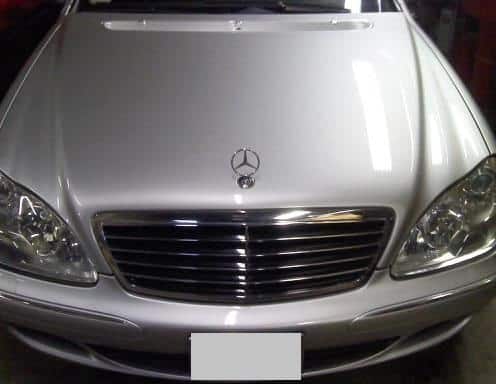
For a low-maintenance exterior, silver and medium gray are often practical choices because they can hide everyday dirt and minor imperfections.
Is There a Car Color You Should Avoid?
There is no universally bad car color. However, some colors and finishes can be less convenient depending on how you use your vehicle.
Consider:
- How quickly the color shows dirt
- How noticeable scratches are
- Maintenance requirements
- Resale appeal
- Sun exposure
- Paint finish
If you want your vehicle to look clean without constant washing, black and very dark glossy colors may be less practical.
1. Black Cars
Black gives cars a sleek, premium appearance, but it is one of the least forgiving colors for visible imperfections.
Black paint can easily show:
- Dust and pollen
- Water spots
- Scratches and swirl marks
- Bird droppings
- Road salt
- Fingerprints
Fine scratches and swirl marks are especially noticeable because they contrast with the dark, reflective surface.
Should You Avoid Black?
Not necessarily. Black is a good choice if you enjoy detailing, wash your vehicle regularly, and don’t mind visible imperfections. If you want a car that can go longer between washes, silver or gray may be better.
2. Very Dark Blue and Green
Dark blue and dark green can have many of the same disadvantages as black. Deep glossy colors make dust, water spots, scratches, and swirl marks easier to see.
However, they are good options if you want a distinctive appearance without choosing an extremely bright color. The issue isn’t the color itself; dark glossy paint generally requires more cosmetic maintenance.
3. White Cars
White is generally a practical car color, but mud, grease, road grime, tar, rust-colored stains, and bird droppings can stand out against it.
The advantage is that fine scratches and swirl marks are often less noticeable than they are on black. For many drivers, white offers a good balance between appearance and maintenance.
4. Matte Paint
The finish can matter as much as the color. Matte paint has a distinctive appearance but requires specialized care.
Traditional polishing can alter a matte finish. Depending on the damage, a body shop may need to refinish an entire panel instead of simply polishing out a scratch.
If simple cosmetic repairs are important, a conventional gloss finish may be a better choice.
Are Bright Car Colors Bad?
No. Red, yellow, orange, bright blue, and green can all be excellent choices.
The potential disadvantage is that unusual colors may appeal to fewer used-car buyers. However, distinctive colors can still have strong demand, particularly on sports and enthusiast vehicles.
Choose a bright color if you enjoy it or plan to keep the vehicle for several years.
Does Car Color Affect Resale Value?
Car color can influence resale demand, but condition and vehicle characteristics usually matter much more.
Used-car value depends on:
- Make and model
- Year and mileage
- Mechanical condition
- Accident history
- Maintenance records
- Trim and equipment
- Local demand
Black, white, gray, and silver generally have broad buyer appeal. However, an unusual color doesn’t automatically reduce value.
Which Car Colors Are Easiest to Maintain?
Silver and medium gray are often among the easiest colors to live with.
Silver can hide dust, light road grime, minor scratches, and small paint imperfections. Medium gray offers similar benefits. White is also practical, although mud and road grime can be more noticeable.
| Dirt or Damage | Often More Noticeable On |
| Dust | Black and dark colors |
| Water spots | Black and dark colors |
| Fine scratches | Black and dark glossy colors |
| Swirl marks | Black and dark glossy colors |
| Mud and grease | White and light colors |
| Road salt | Dark colors |
| Rust-colored stains | White and light colors |
For overall practicality, silver and medium gray are good all-around options.
Does Climate Affect Which Color You Should Buy?
Yes. Climate and parking conditions can affect how practical a color is.
Dark vehicles can become hotter when parked in direct sunlight. Prolonged UV exposure can also affect paint and interior materials regardless of color.
Water spots can be especially noticeable on dark glossy vehicles, while road salt and winter grime can stand out on dark paint in snowy areas.
Regular washing, covered parking, and paint protection can help protect any color.
Does Car Color Affect Safety?
Car color may influence visibility in certain situations, but vehicle safety depends on much more than paint color.
Crash protection, tires, brakes, lighting, driver-assistance systems, vehicle condition, and driver behavior are far more important.
Does Car Color Affect Insurance?
Generally, car color itself is not a major factor in auto insurance pricing.
Insurance premiums are typically influenced by the vehicle, driver history, location, claims history, coverage, deductible, and vehicle usage. The belief that red cars automatically cost more to insure is not a good reason to avoid red.
Does Car Color Affect Repair Costs?
Color normally doesn’t affect mechanical repair costs. Engine, brake, transmission, and suspension repairs aren’t generally more expensive because a vehicle is black instead of silver.
However, paint color and finish can affect body repair costs. Metallic, pearl, specialty, and matte finishes may require more careful matching or specialized repair procedures.
What Car Color Should You Avoid for Resale?
If resale appeal is your main priority, extremely unusual colors may have a smaller buyer pool. Purple, bright orange, pink, and custom colors may appeal to fewer shoppers.
However, this depends heavily on the vehicle. A unique color can be desirable on sports and enthusiast cars.
What Car Color Is Best for a Used Car?
When buying a used car, condition should matter more than color.
Prioritize:
- Mechanical condition
- Maintenance history
- Accident history
- Mileage
- Rust and corrosion
- Tires and brakes
- Engine and transmission condition
- Vehicle history
- Overall reliability
- Exterior color
A well-maintained black car is usually a better purchase than a neglected silver car.
How to Protect Your Car’s Paint
Regardless of color, proper maintenance can help protect automotive paint.
- Wash properly: Use automotive soap and microfiber materials.
- Remove contamination: Clean bird droppings, tree sap, and road salt promptly.
- Protect the paint: Consider wax, sealants, ceramic coatings, or paint protection film.
- Park under cover: Covered parking reduces exposure to UV rays, rain, and contaminants.
Frequently Asked Questions
What car color should you avoid?
There isn’t one color everyone should avoid. However, black and very dark glossy colors can require more maintenance because they show dust, water spots, scratches, and swirl marks easily.
What is the hardest car color to keep clean?
Black is generally one of the most demanding colors if you want your vehicle to look spotless. Dust, fingerprints, water spots, and fine scratches can stand out strongly.
What car color hides dirt the best?
Silver and medium gray are generally good choices for hiding everyday dust and light road grime. They can also make minor imperfections less noticeable.
Does car color affect resale value?
It can influence buyer demand, but make, model, condition, mileage, maintenance history, and accident history are usually more important. Neutral colors generally have broad appeal.
Does car color affect insurance rates?
Generally, no. Insurance rates are primarily based on the vehicle, driver, location, coverage, claims history, and other underwriting factors rather than paint color.
Does car color affect repair costs?
Color usually doesn’t affect mechanical repair costs. However, metallic, pearl, specialty, and matte finishes can make body and paint repairs more complicated.
Conclusion
So, what car color should you avoid? There isn’t a universal answer, but if easy maintenance is your priority, you may want to think twice about black and other very dark glossy colors. They make dust, water spots, scratches, and swirl marks more visible.
For an everyday vehicle, silver and medium gray are often practical choices because they can hide many common imperfections. White is also a solid option, although mud and road grime can stand out more.
If you love red, blue, green, yellow, orange, or another distinctive color, there’s no reason to automatically avoid it. Personal preference matters, especially if you plan to keep the vehicle for several years.
Most importantly, don’t choose a used car based solely on color. Mechanical condition, maintenance history, reliability, mileage, accident history, and repair costs are far more important.
If your vehicle needs maintenance or repairs, diagnosing problems early can help prevent small issues from becoming expensive ones. For Car Repair Plainfield IL, Car Repair Near Me, Auto Repair, Auto Repair Near Me, Automotive Repair, Brake Shop, Brake Repair, Brake Repair Plainfield IL, or Brake Service, contact Last Chance Auto Repair For Cars Trucks in Plainfield, IL.
Call 815-577-0327 for professional car and truck diagnostics, maintenance, brake service, and automotive repair.
