

When your vehicle needs service, one of the first questions you may ask is, “How long will the repair take?” Whether it’s a routine maintenance appointment or a major mechanical issue, understanding repair timelines can help you plan your day and avoid unnecessary stress. A trusted Auto Repair Shop in Plainfield can provide accurate estimates based on the type of repair, vehicle condition, and availability of parts.
Repair times vary significantly depending on the complexity of the problem and the expertise of the technicians handling the work. Some services can be completed in less than an hour, while others may require several days. Knowing what affects repair timelines allows vehicle owners to make informed decisions and maintain realistic expectations. This guide explains how long common auto repairs typically take in Plainfield and the factors that influence service completion times.
Understanding Auto Repair Timelines
Auto repair timelines are not always straightforward. Every vehicle issue is unique, and the time required for diagnosis and repair depends on several factors. The first step in any repair process is identifying the problem accurately. Technicians often perform inspections and diagnostic testing before beginning repairs.
Simple issues such as replacing a battery or changing engine oil generally take less time than diagnosing an intermittent electrical problem. Modern vehicles contain advanced technology and computerized systems, which can require additional testing to pinpoint the root cause of a malfunction.
Repair facilities also need to consider technician scheduling and shop workload. During busy seasons, appointments may be booked several days in advance, extending the overall timeline. While many repairs can be completed on the same day, more complex jobs may require extra time for quality checks and road testing before the vehicle is returned to the owner.
Understanding these variables helps customers recognize why repair estimates may differ from one situation to another and why professional diagnosis is essential before a precise timeline can be provided.
How Long Routine Maintenance Usually Takes
Routine maintenance is typically the quickest service performed at an automotive facility. Services such as oil changes, tire rotations, fluid checks, and basic inspections are designed to keep vehicles running efficiently and prevent larger issues from developing.
Most oil changes can be completed within 30 to 60 minutes. Tire rotations often take about the same amount of time, especially when performed alongside other maintenance procedures. Brake inspections and fluid top-offs may add a small amount of additional service time.
Many customers visiting an Auto Repair Shop in Plainfield schedule routine maintenance appointments to minimize wait times. Having an appointment allows technicians to prepare for the service and complete it more efficiently.
Diagnostic Services and Their Impact on Repair Time
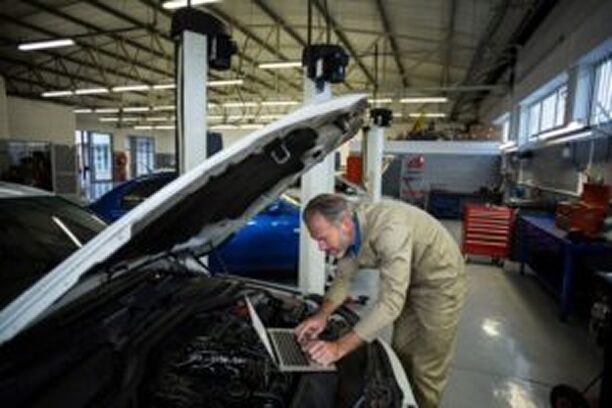
Diagnostic testing is often the most important step in the repair process. Before technicians can fix a problem, they must accurately identify its cause. Modern vehicles rely heavily on computerized systems that monitor engine performance, emissions, transmission functions, and safety features.
A basic diagnostic scan may take less than an hour. However, more complicated issues can require extensive testing and evaluation. Electrical faults, intermittent warning lights, and performance concerns often demand additional investigation.
Technicians use specialized equipment to retrieve error codes and analyze system data. While diagnostic tools provide valuable information, they do not always pinpoint the exact failed component. Additional testing may be necessary to verify the source of the problem.
Investing time in accurate diagnostics ultimately saves time and money by preventing unnecessary repairs. A thorough diagnostic process helps ensure technicians address the actual issue rather than replacing parts based on assumptions. For this reason, some repair appointments may take longer initially but result in a more effective and lasting solution.
Typical Time Required for Brake Repairs
Brake repairs are among the most common automotive services performed today. The time required depends on the condition of the braking system and the specific components needing replacement.
Replacing brake pads typically takes one to two hours. If rotors require resurfacing or replacement, the service may take slightly longer. More extensive repairs involving calipers, brake lines, or hydraulic components can extend repair times significantly.
Vehicle type also influences service duration. Some vehicles provide easier access to braking components, while others require more labor-intensive procedures. Technicians must carefully inspect the entire braking system to ensure all components function properly.
After repairs are completed, test driving and quality inspections are essential. These final checks verify proper braking performance and safety before returning the vehicle to the customer.
Engine Repairs and Expected Completion Times
Engine repairs can range from relatively simple services to extensive mechanical work. Minor repairs such as replacing spark plugs, ignition coils, or sensors may be completed within a few hours.
More complex repairs involving timing components, cylinder heads, or internal engine parts often require multiple days. Engine diagnostics and disassembly take time, especially when technicians must inspect components thoroughly before proceeding.
Parts availability can also affect timelines. If specialized engine components must be ordered, repairs may be delayed until the necessary parts arrive. Fortunately, many common parts are readily available through local suppliers.
An experienced Auto Repair Shop in Plainfield will provide updates throughout the repair process and communicate any changes to estimated completion times. Transparent communication helps customers understand the progress of the repair and avoid unexpected delays.
Transmission Repair Timeframes
Transmission repairs often require more time than many other automotive services. The transmission is a highly complex component responsible for transferring power from the engine to the wheels.
Minor transmission services such as fluid changes or filter replacements may take only a few hours. However, diagnosing transmission issues can be more involved than standard repairs. Symptoms such as slipping gears, delayed shifting, or unusual noises require detailed testing.
If internal transmission components need repair or replacement, the vehicle may remain in the shop for several days. Rebuilding or replacing a transmission involves extensive labor and precise adjustments.
Many transmission repairs also require specialized equipment and post-repair testing. Technicians must verify proper operation under various driving conditions before considering the repair complete.
Factors That Can Delay Auto Repairs
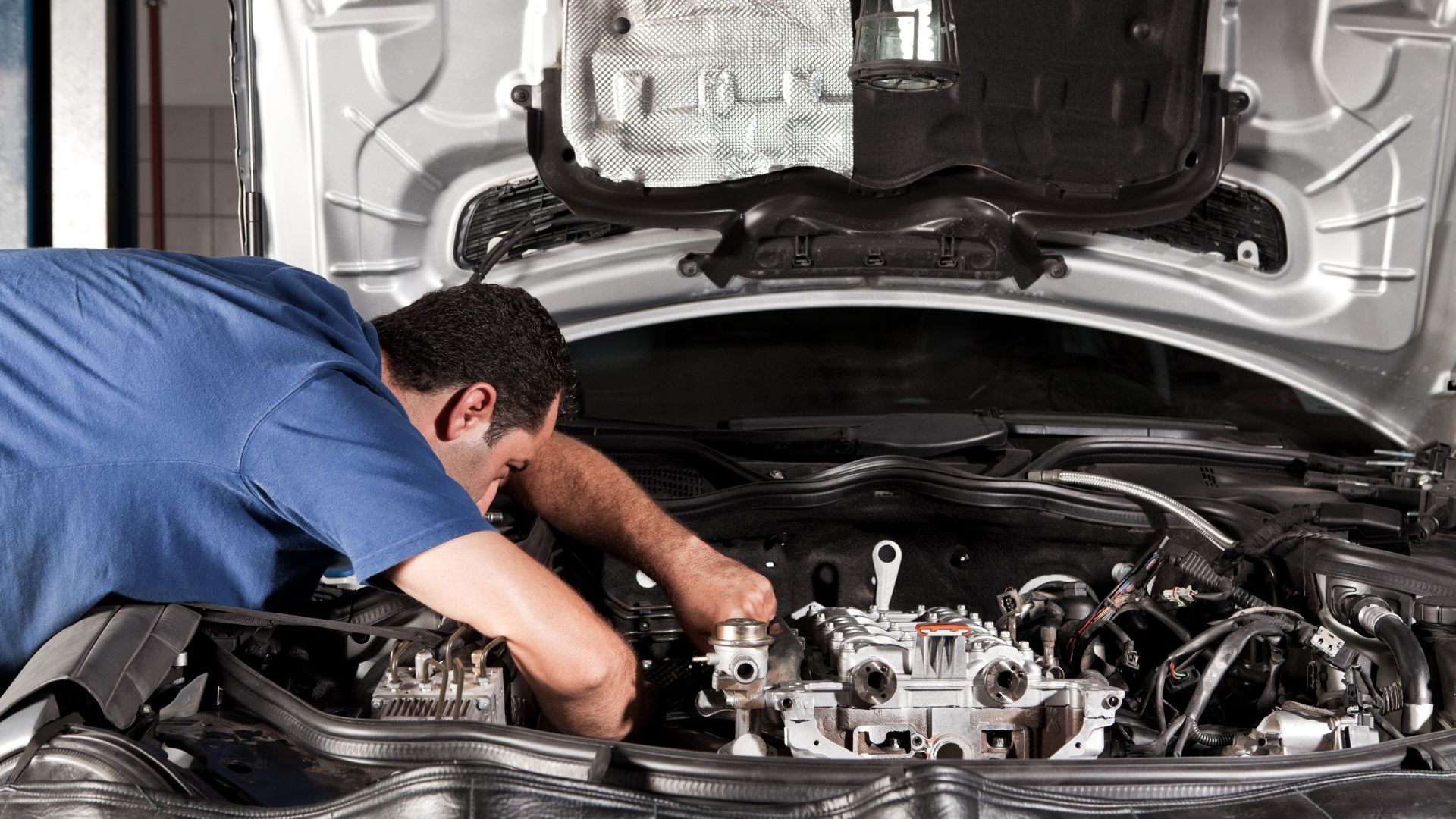
Several factors can influence repair timelines beyond the actual repair itself. One of the most common causes of delay is parts availability. While many components are stocked locally, specialty parts may need to be ordered from manufacturers or distributors.
Vehicle age can also affect repair times. Older vehicles sometimes require harder-to-find parts, while newer vehicles may involve advanced systems that require additional diagnostic procedures.
Unexpected discoveries during repairs can extend timelines as well. Technicians occasionally uncover related issues once a vehicle is disassembled. Addressing these concerns may require additional authorization and labor.
Weather conditions and seasonal demand can also impact scheduling. During periods of increased vehicle travel, repair facilities often experience higher workloads and longer appointment wait times.
The Importance of Quality Control and Testing
Many vehicle owners focus solely on repair completion time, but quality control is equally important. After repairs are finished, technicians perform inspections and testing to verify that all systems function correctly.
Road testing allows technicians to evaluate vehicle performance under real-world conditions. This process helps confirm that repairs have resolved the original issue and that no additional concerns are present.
Quality control procedures may include checking fluid levels, verifying sensor readings, inspecting repaired components, and ensuring all safety systems operate properly. Although these steps add time to the process, they significantly reduce the likelihood of repeat visits.
A professional Auto Repair Shop in Plainfield prioritizes accuracy and safety over speed. Thorough testing ensures customers receive reliable repairs and confidence that their vehicle is ready for daily use.
How Vehicle Owners Can Help Speed Up Repairs
Vehicle owners play an important role in helping repairs proceed efficiently. Providing detailed information about symptoms can assist technicians in diagnosing problems more quickly.
Describing when the issue occurs, unusual noises, warning lights, or recent changes in vehicle performance helps narrow down potential causes. Bringing maintenance records can also provide valuable insight into the vehicle’s service history.
Scheduling appointments whenever possible helps reduce wait times and allows repair facilities to allocate resources appropriately. Prompt approval of recommended repairs can also prevent unnecessary delays once diagnostics are completed.
Maintaining routine service is another effective way to avoid lengthy repairs. Regular inspections often identify small issues before they develop into major mechanical failures requiring extensive labor.
Conclusion
The time required for auto repairs depends on the type of service, vehicle condition, diagnostic requirements, and parts availability. Routine maintenance may take less than an hour, while major engine or transmission repairs can require several days. Understanding these factors helps set realistic expectations and ensures a smoother repair experience. Working with a trusted repair facility also ensures that quality and safety remain priorities throughout the process.
If you need dependable automotive service, contact Last Chance Auto Repair For Cars Trucks in Plainfield. Their experienced team is committed to providing accurate diagnostics, professional repairs, and exceptional customer service. Call +1 815-577-0327 today to schedule an appointment and keep your vehicle performing at its best.
https://emonmd9195.podbean.com/e/how-long-does-a-typical-auto-repair-take-in-plainfield/
https://www.podomatic.com/podcasts/emonmd9195podcast/episodes/2026-07-28T06_25_45-07_00
https://stream.redcircle.com/episodes/917f3882-30ff-4a15-be60-f73708f6d738/stream.mp3
