

When it comes to car repairs, engine replacement is one of the most significant and costly services you might face. It’s a decision that requires careful consideration and a clear understanding of the various factors that influence the cost. In this blog, we’ll break down the key elements that affect engine replacement costs, helping you make an informed choice and potentially save money in the long run.
Understanding the Basics
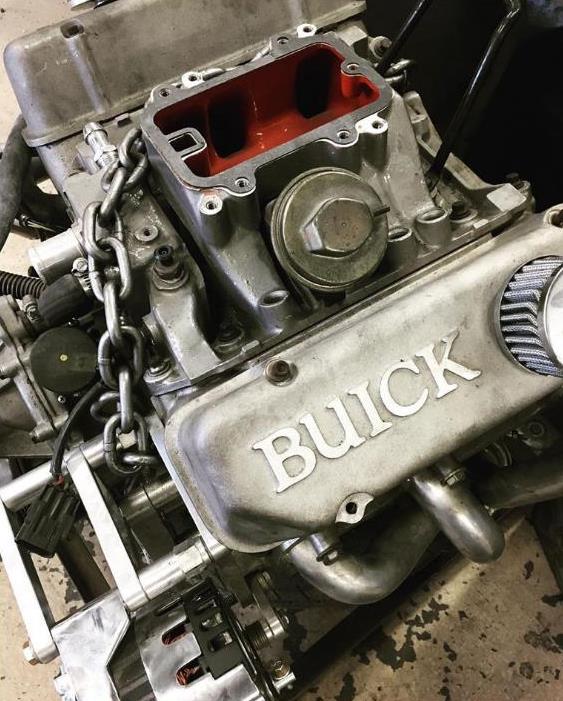
What is an Engine Replacement?
An engine replacement involves removing the existing engine from your vehicle and installing a new or refurbished one. This process is essential when the current engine is beyond repair or if repairing it would be more expensive than replacing it. This can include installing a brand-new engine, a remanufactured engine, or a used engine from another vehicle.
Why Would You Need an Engine Replacement?
Engine replacement becomes necessary for several reasons. Catastrophic engine failure due to severe overheating or internal damage can render an engine irreparable. High mileage and wear can also lead to engine replacement, especially if maintenance has been neglected. Additionally, major component failures like a broken crankshaft or pistons can necessitate a full engine replacement.
Key Cost Factors
Type of Engine
The type of engine you choose to replace your old one significantly impacts the cost. Here are the common options:
- New Engine: Buying a brand-new engine is the most expensive option but also the most reliable. It comes with a manufacturer’s warranty, which can provide peace of mind.
- Rebuilt Engine: A rebuilt engine is one that has been disassembled, cleaned, and reassembled with new or reconditioned parts. It’s less expensive than a new engine and can be just as reliable if done correctly.
- Used Engine: This is the least expensive option. A used engine is typically taken from a salvaged vehicle. While it can be a cost-effective solution, it comes with higher risks due to its unknown history.
Labor Costs
Labor is a significant part of the engine replacement cost. It involves removing the old engine, preparing the engine bay, installing the new engine, and testing it to ensure everything is functioning correctly. The complexity of the job and the hourly rate of the mechanic or repair shop will influence the labor costs. Typically, labor for an engine replacement can range from 15 to 20 hours, depending on the vehicle make and model.
Vehicle Make and Model
The make and model of your vehicle play a crucial role in determining the cost of an engine replacement. Some vehicles have more accessible engine bays, making the replacement process quicker and less labor-intensive. Others, especially high-end or luxury cars, have more complex engines that require specialized skills and tools, leading to higher labor costs.
Replacement Parts
Aside from the engine itself, other parts may need to be replaced during the process. This can include:
- Mounts: Engine mounts secure the engine to the vehicle’s frame. Worn or damaged mounts need to be replaced to prevent future issues.
- Gaskets and Seals: These are essential for preventing leaks and ensuring the engine operates efficiently.
- Cooling System Components: Parts like the radiator, water pump, and hoses might need replacement if they are not in good condition.
- Electrical Components: Sensors, wiring, and the engine control unit (ECU) might need to be checked and possibly replaced.
Additional Repairs
In some cases, additional repairs may be necessary before or after the engine replacement. For instance, engine failure can cause collateral damage to other parts of the vehicle, such as the transmission, exhaust system, or cooling system. These components might need repair or replacement to ensure the vehicle operates smoothly with the new engine. Addressing these issues adds to the overall cost but ensures long-term reliability and performance.
Warranty and Quality Assurance
The warranty on the replacement engine significantly impacts the overall cost and peace of mind. New engines typically come with a comprehensive manufacturer’s warranty, offering extensive coverage and support. Rebuilt engines usually include a limited warranty from the rebuilder, providing some protection. Used engines, on the other hand, often come with little to no warranty, posing a higher risk. Choosing an engine with a robust warranty can provide security and potentially save money on future repairs.
The Replacement Process
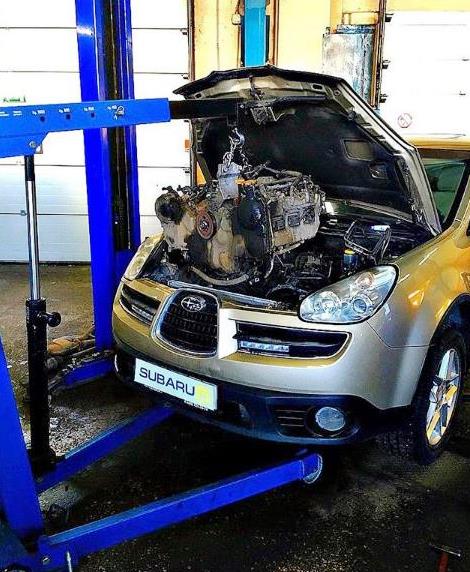
Initial Diagnosis
Before deciding on an engine replacement, a thorough diagnosis by a qualified mechanic is crucial. They will assess the condition of your current engine and determine if replacement is the best option. This diagnosis usually involves a series of tests and inspections, including a compression test, leak-down test, and visual inspection of engine components.
Selecting the Right Engine
Choosing the right engine for your vehicle involves considering factors such as compatibility, reliability, and cost. Your mechanic can help guide you through this process, ensuring you select an engine that meets your needs and budget.
Removal of the Old Engine
The process begins with disconnecting all components connected to the old engine, such as the exhaust system, cooling system, fuel lines, and electrical connections. Once everything is disconnected, the engine is carefully removed from the vehicle.
Preparing the Engine Bay
Before installing the new engine, the engine bay must be thoroughly cleaned and inspected. This step ensures that there are no hidden issues that could affect the new engine’s performance. Any necessary repairs to the engine bay or related components are completed at this stage.
Installing the New Engine
The new or refurbished engine is then installed, and all connections are reattached. This step requires precision to ensure everything is properly aligned and connected. The mechanic will also replace any necessary gaskets, seals, and other parts to ensure a proper fit.
Testing and Tuning
After the new engine is installed, a series of tests are conducted to ensure it operates correctly. This includes checking for leaks, verifying proper connections, and running the engine to check its performance. The mechanic may also tune the engine to optimize its performance.
Cost Breakdown: Realistic Estimates
New Engine Replacement
Opting for a brand-new engine ensures top reliability and performance. The cost includes both the engine itself and the labor required for installation. This option is typically the most expensive due to the engine’s new condition and the comprehensive manufacturer’s warranty. However, the high initial investment can be justified by the long-term benefits and peace of mind it offers.
Rebuilt Engine Replacement
A rebuilt engine is a cost-effective alternative that involves reconditioning an old engine with new or refurbished parts. This option balances affordability and reliability, offering a good middle ground. The total cost includes the engine and labor for installation. While slightly more expensive than used engines, rebuilt engines often come with a limited warranty, providing better assurance of quality and performance.
Used Engine Replacement
Choosing a used engine is the most budget-friendly option for engine replacement. These engines are typically sourced from salvaged vehicles and have a lower upfront cost. The overall expense includes the engine and the labor for installation. However, this option comes with higher risks due to the lack of warranty and the unknown history of the engine, which could lead to additional repairs down the line.
Tips for Reducing Engine Replacement Costs
Shop Around
Get quotes from multiple repair shops to compare prices. Make sure to choose a reputable shop with certified mechanics to ensure quality work.
Consider a Remanufactured Engine
Remanufactured engines are rebuilt engines that meet or exceed OEM standards. They are often more reliable than used engines and come with a warranty, making them a cost-effective alternative to new engines.
Maintain Your Vehicle
Regular maintenance can extend the life of your engine and prevent the need for a replacement. Follow the manufacturer’s recommended service schedule and address any issues promptly to avoid costly repairs.
Negotiate Labor Rates
Some repair shops may be willing to negotiate labor rates, especially if you’re having extensive work done. It never hurts to ask for a discount or shop around for the best rates.
Conclusion
Understanding the various factors that influence the cost of engine replacement can help in making an informed decision about your vehicle’s needs. From the type and size of the engine to labor costs and additional repairs, each element plays a crucial role in determining the final price. For expert advice and reliable service in Plainfield, IL, contact Last Chance Auto Repair For Cars Trucks. The experienced team is ready to help navigate the complexities of engine replacement and ensure your vehicle runs smoothly. Call 815-577-0327 today to schedule an appointment or get a quote.
