Last Chance Auto Repair

Auto Repair Shop In Plainfield, IL

Auto Repair Shop In Plainfield, IL

Auto Repair In Plainfield At Its Finest. Serving Plainfield, Naperville, Bolingbrook, Romeoville, Chicagoland since 1978.

  • Services
        • Brake Repair
          • Brakes Near Me
          • Brakes Plainfield
          • Brakes Naperville
          • Brakes Bolingbrook
          • Brake Rotor Replacement
          • Save On Brakes
        • Emissions Repair
        • Asian Repair
        • European Repair
        • Classic & Vintage
        • Truck Repair
          • Medium Duty Repair
        • Fleet Repair
        • Charging System Repair
          • Alternator Repair
          • Alternator Replacement
        • A/C Repair
          • A/C Recharge Service
          • A/C Condenser Repair
          • A/C Compressor Repair
        • Cooling System
          • Radiator Services
          • Water Pump Replacement
          • Thermostat Replacement
        • Steering System
        • Auto Maintenance
          • Auto Tune-Up
          • Oil Change
          • Batteries
        • Engine Services
          • Starter Replacement
          • Timing Belt Replacement
          • Timing Chain Replacement
          • Cylinder Heads
          • Auto Machine Shop
        • Transmissions
          • Clutch Replacement
          • Torque Converter Replacement
        • Transfer Cases
        • Carburetors
        • Driveshaft Service
        • Diesel Repair
        • Electrical Repair
        • Suspension Repair
          • Shocks & Struts
          • Ball Joint Replacement
          • Alignment Shop
        • Exhaust Repair
          • Catalytic Converter
        • Differential Repair
        • Diagnostic
        • Auto Glass Repair
        • Auto Body Shop
        • Welding Service
        • Vehicle Inspection
        • Tire Replacement
  • Vehicles
          • DOMESTIC
          • Buick Repair
          • Cadillac Repair
          • Chevrolet Repair
          • Corvette Repair
          • Dodge Repair
          • Ford Repair
          • GMC Repair
          • Hummer Repair
          • Jeep Repair
          • RAM Repair
          • ASIAN
          • Acura Repair
          • Daewoo Repair
          • Honda Repair
          • Hyundai Repair
          • Infiniti Repair
          • Isuzu Repair
          • KIA Repair
          • Lexus Repair
          • Mazda Repair
          • Nissan Repair
          • Mitsubishi Repair
          • Scion Repair
          • Subaru Repair
          • Suzuki Repair
          • Toyota Repair
          • EUROPEAN
          • BMW Repair
          • Fiat Repair
          • Jaguar Repair
          • Land Rover Repair
          • Mercedes Benz Repair
          • MINI Cooper Repair
          • Porsche Repair
          • Saab Repair
          • Smart Repair
          • Volkswagen Repair
          • Volvo Repair
  • Towing
        • 24 Hour Towing
        • Towing Plainfield
        • Towing Bolingbrook
        • Roadside Assistance
        • Lockout Service
        • Jump Start Service
        • Mobile Battery Replacement
        • Toolbox Towing
  • Storage
    • Outdoor Car Storage
  • Coupons
        • Low Cost Guaranteed
        • Transmissions
        • Free Brake Inspection
        • Air Conditioning
        • Oil Change Specials
        • Free Computer Scan
        • Teacher Discount
        • Senior Citizen Discount
  • Blog
  • About Us
    • Reviews
    • Now Hiring
    • Mechanic Jobs
    • Brake Repair FAQs
  • Contact Us
  • Write A Review

Computer Diagnostic for Quick Auto Solutions

Computer Diagnostic for Quick Auto Solutions

When your car or truck is giving you trouble, the first step to solving the issue often involves understanding exactly what’s wrong. This is where computer diagnostics come into play. In today’s world of advanced automotive technology, computer diagnostics are the go-to solution for fast and accurate vehicle repairs. Let’s dive into what computer diagnostics are, how they work, and why they’re so crucial for quick and effective auto solutions.

Understanding Computer Diagnostics

Warning Signs That Indicate a Visit to the Auto Repair Shop

Computer diagnostics, also known as On-Board Diagnostics (OBD), are tools used to monitor and analyze your vehicle’s performance. The modern vehicle is equipped with an on-board computer system that continually checks various components and systems to ensure they’re functioning properly. When something goes wrong, the system records the issue and generates a diagnostic trouble code (DTC), which can then be read using a diagnostic scanner.

These diagnostic tools can identify issues ranging from minor glitches to major malfunctions, providing mechanics with valuable insights into what needs fixing. But it’s not just about reading codes; it’s about interpreting them to get a clear picture of what’s going on under the hood.

How Computer Diagnostics Work

Data Collection

Modern vehicles are equipped with a network of sensors and control modules that continuously gather data on various aspects, including engine performance, fuel efficiency, and emissions. The On-Board Diagnostics (OBD) system monitors this data in real-time, providing a comprehensive view of the vehicle’s health.

Error Detection

When the OBD system identifies a malfunction or anomaly in the vehicle’s systems, it logs an error code and activates a warning indicator, such as the check engine light. These error codes are crucial for diagnosing the underlying issue and directing the repair process.

Code Reading

A diagnostic scanner connects to the vehicle’s OBD port to retrieve stored error codes from the system. This tool reads the codes and provides a brief description of each, which helps in understanding the nature of the problem and guides the troubleshooting process.

Troubleshooting

Mechanics analyze the diagnostic codes to pinpoint the potential source of the problem. They may conduct additional tests or physical inspections to verify the issue and determine the appropriate repair steps, ensuring a thorough and accurate diagnosis.

Repair and Reset

After identifying and addressing the issue, the diagnostic tool is used to reset the vehicle’s system and clear the error codes. This process ensures that the problem is resolved and that the check engine light or other warning indicators are turned off, allowing the vehicle to operate smoothly again.

Speed

Traditional diagnostic methods often involved a lengthy process of trial and error, which could be very time-consuming. Computer diagnostics expedite this process by quickly identifying the specific problem. This efficiency leads to faster repairs and reduces vehicle downtime.

Accuracy

Computer diagnostics offer precise readings and data interpretation, significantly lowering the chances of misdiagnosing vehicle issues. This precision leads to more accurate repairs and ensures that only the necessary parts are replaced, preventing unnecessary expenses and potential further complications.

Cost-Effectiveness

By swiftly identifying the exact issue with your vehicle, computer diagnostics help avoid unnecessary repairs and part replacements. This targeted approach saves you money by ensuring that only essential repairs are carried out, leading to more cost-effective vehicle maintenance in the long run.

Preventive Maintenance

Regularly using computer diagnostics allows you to detect minor issues before they escalate into major problems. This proactive maintenance approach helps extend your vehicle’s lifespan and can prevent costly breakdowns, ultimately saving you money and reducing the risk of unexpected repairs.

Comprehensive Insight

Modern diagnostic tools offer a thorough view of your vehicle’s performance, covering aspects such as engine health, transmission function, and more. This comprehensive insight helps you understand your vehicle’s condition better and ensures that all potential issues are addressed effectively.

Common Issues Diagnosed with Computer Tools

Last Chance Auto Repair

  • Engine Problems: Issues like misfires, poor fuel economy, and excessive exhaus emissions can be detected and diagnosed through computer diagnostics.
  • Transmission Issues: Problems with shifting, slipping, or rough transmission performance can be identified using diagnostic tools.
  • Battery and Charging System: Computer diagnostics can reveal issues with the battery, alternator, or charging system, helping to prevent starting problems.
  • Emissions System: The diagnostic system can identify issues with components like the catalytic converter, oxygen sensors, and other parts of the emissions control system.
  • ABS and Traction Control: Problems with the anti-lock braking system (ABS) or traction control system can be detected and addressed.

How to Use Computer Diagnostics for Your Vehicle

Choosing a Diagnostic Scanner

When selecting a diagnostic scanner, you have a range of options from basic code readers to advanced tools with detailed data and troubleshooting capabilities. Opt for a scanner that aligns with your technical needs and budget to ensure effective diagnostics for your vehicle’s systems.

Connecting and Using the Scanner

To begin, locate the OBD port, typically under the dashboard near the steering wheel, and connect the scanner. With the ignition on, follow the scanner’s instructions to retrieve and record diagnostic codes. Use the scanner’s manual or online resources to interpret these codes, then perform necessary repairs or consult a mechanic. After repairs, clear the codes and incorporate regular diagnostic checks into your maintenance routine to preemptively address issues and keep your vehicle in top shape.

Future of Computer Diagnostics

The world of automotive diagnostics is continually evolving. Newer vehicles are equipped with even more advanced computer systems, and diagnostic tools are becoming increasingly sophisticated. Features like real-time data streaming, wireless diagnostics, and integration with mobile devices are becoming more common.

As technology advances, the future of computer diagnostics promises even quicker and more accurate solutions. This will likely lead to further improvements in vehicle performance, safety, and overall reliability.

Achieve Faster Car Solutions Using Diagnostic Technology

In today’s fast-paced world, vehicle downtime can be a major inconvenience. Computer diagnostic technology offers a solution by significantly speeding up the repair process. By quickly identifying issues through error codes and real-time data, diagnostics eliminate the lengthy trial-and-error methods of traditional repairs. This streamlined approach allows mechanics to pinpoint problems accurately, leading to faster and more efficient repairs.

Modern diagnostic tools provide detailed insights into a vehicle’s health, from engine performance to transmission issues. This detailed data helps in addressing problems swiftly and effectively, ensuring that your car gets back on the road as soon as possible. Embracing diagnostic technology can transform how you manage vehicle repairs, minimizing downtime and enhancing overall efficiency.

Boost Repair Speed with Effective Computer Diagnostics

Effective computer diagnostics are revolutionizing the speed at which auto repairs are completed. Traditional methods often involve a lot of guesswork, leading to prolonged repair times. With advanced diagnostic tools, however, mechanics can swiftly retrieve and analyze error codes, allowing for a precise understanding of the problem. This quick identification significantly reduces the time spent diagnosing issues, leading to faster repairs.

Diagnostic tools also provide comprehensive data on various vehicle systems, which helps in diagnosing complex problems with greater accuracy. By integrating these tools into your repair routine, you ensure that issues are resolved promptly, improving overall repair turnaround times. Leveraging effective computer diagnostics boosts repair speed and enhances the efficiency of maintaining your vehicle.

Conclusion

Incorporating computer diagnostics into an auto repair routine offers significant advantages, including faster repair times and more accurate problem identification. Leveraging advanced diagnostic technology streamlines the repair process and minimizes vehicle downtime. This approach ensures that issues are pinpointed efficiently, allowing for quicker and more effective solutions. Last Chance Auto Repair For Cars Trucks in Plainfield, IL, utilizes state-of-the-art diagnostic tools to provide swift and reliable repairs for all vehicle needs. For prompt and professional service, call 815-577-0327 and experience the benefits of modern diagnostic technology.

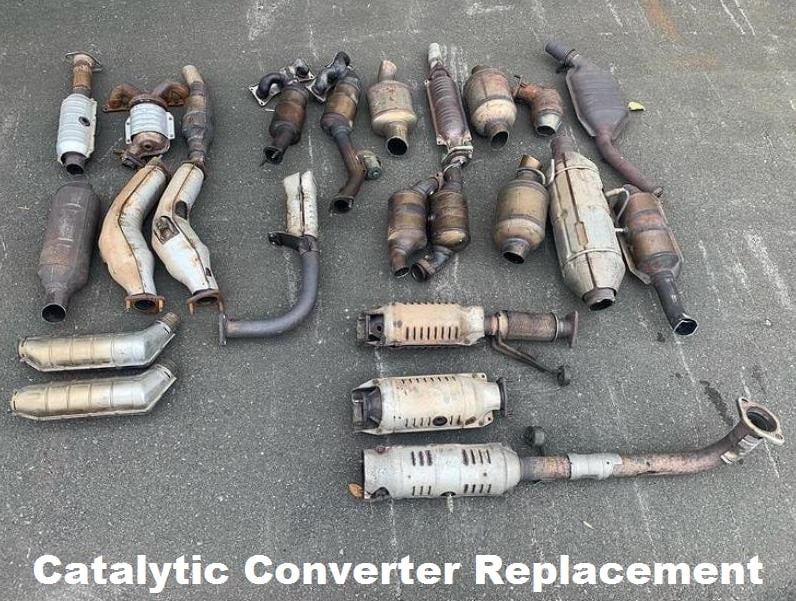
Catalytic Converter Replacement: Understanding Warranty Coverage

Catalytic Converter Replacement: Understanding Warranty Coverage

When it comes to keeping your vehicle in top shape, few things are as crucial as maintaining your catalytic converter. It plays a key role in reducing harmful emissions and ensuring your car runs smoothly. But what happens if something goes wrong? That’s where understanding your warranty coverage becomes essential. In this blog post, we’ll break down everything you need to know about catalytic converter replacement and the ins and outs of warranty coverage.

What is a Catalytic Converter?

Automotive Repair

A catalytic converter is a vital component in your vehicle’s exhaust system, designed to reduce harmful emissions and keep the environment cleaner. It works by converting toxic gases produced during the combustion process—such as carbon monoxide, hydrocarbons, and nitrogen oxides—into less harmful substances like carbon dioxide and nitrogen. This transformation occurs inside the converter through a chemical reaction facilitated by a catalyst, typically made of platinum, palladium, and rhodium. Without this device, the emissions from your vehicle would be significantly more harmful to both the environment and human health.

Catalytic converters play a crucial role in helping your vehicle comply with environmental regulations. They ensure that your car meets the emission standards set by regulatory bodies, which helps to reduce air pollution and protect public health. By filtering out harmful pollutants before they exit the exhaust system, the catalytic converter contributes to cleaner air and a healthier environment. Maintaining it in good working order is essential for both performance and compliance with emissions regulations.

When Should You Replace a Catalytic Converter?

A catalytic converter is built to be durable, but it can still wear out over time due to various factors. One of the primary indicators that you may need a replacement is the check engine light. This light illuminates when the vehicle’s onboard diagnostics system detects an issue with the catalytic converter or other engine components. If the light comes on, it’s a good idea to have your vehicle inspected to determine whether the catalytic converter needs to be replaced.

Another sign that a catalytic converter may need replacement is reduced engine performance. If you find that your car is struggling to accelerate or experiencing a noticeable decrease in power, a failing catalytic converter could be to blame. Additionally, unusual noises, such as rattling sounds from the exhaust system, can indicate internal damage to the converter. Lastly, if your vehicle fails an emissions test, it’s often a sign that the catalytic converter is not functioning efficiently and may need replacement.

Understanding Catalytic Converter Warranties

Catalytic Converter Replacement In Plainfield, IL

Now, let’s get into the nitty-gritty of warranties for catalytic converters. Warranties are essential because they provide financial protection if something goes wrong with the part. Here’s what you need to know:

Types of Warranties

Manufacturer’s Warranty: This is usually provided by the manufacturer of the catalytic converter. It typically covers defects in materials or workmanship for a certain period or mileage. For example, a manufacturer might offer a warranty of 5 years or 50,000 miles.

Extended Warranty: Some vehicle owners opt for extended warranties that go beyond the standard manufacturer’s warranty. These can provide coverage for a longer period or additional components related to the exhaust system.

Lifetime Warranty: A lifetime warranty means the catalytic converter is covered for as long as you own the vehicle. However, it’s essential to read the fine print, as lifetime warranties often come with specific conditions and exclusions.

What’s Covered

Parts Coverage: Most warranties cover the cost of the catalytic converter itself. This means if it fails due to a manufacturing defect, the replacement part will be covered.

Labor Costs: Replacing a catalytic converter involves labor, and some warranties include this cost. Make sure to check if labor is covered and if there are any limits on the amount that can be reimbursed.

Additional Components: Sometimes, replacing a catalytic converter may require replacing other parts of the exhaust system. Check if your warranty covers these additional components.

What’s Not Covered

Damage from External Factors: Warranties typically do not cover damage caused by external factors, such as accidents or environmental damage.

Neglect or Misuse: If the catalytic converter fails due to neglect or improper maintenance, it may not be covered under warranty. Regular maintenance and timely repairs are crucial to keeping your warranty valid.

Wear and Tear: Standard wear and tear might not be covered by the warranty, especially if the part has been in use for an extended period.

How to File a Warranty Claim

Gather Documentation

Start by collecting all relevant documents, such as your warranty paperwork, proof of purchase, and maintenance records. This information is crucial to show that the issue wasn’t caused by neglect or improper use. Well-organized documentation supports your claim and helps avoid delays.

Contact the Warranty Provider

Reach out to the warranty provider to inform them of the problem and initiate your claim. They will guide you through the process and provide specific instructions on how to proceed. Make sure to ask about any forms or additional information required to move forward with the claim.

Inspection and Diagnosis

The warranty provider may require an inspection by a certified mechanic to accurately diagnose the issue with your catalytic converter. Follow their instructions carefully and ensure the mechanic’s diagnosis is documented. This step is essential for validating your claim and determining the next course of action.

Replacement or Repair

Once your claim is approved, the warranty provider will either cover the cost of a replacement part or reimburse you for repair expenses, depending on your warranty terms. Verify what is included in your coverage and coordinate with the repair facility to ensure all costs are covered.

Keep Records

After the repair or replacement is completed, keep all records and receipts related to the service. This documentation is important for future reference in case additional issues arise or if you need to demonstrate that the warranty was properly utilized. Keeping detailed records ensures that your warranty remains valid and supports any further claims.

Tips for Managing Your Catalytic Converter Warranty

To make the most of your catalytic converter warranty, consider these tips:

  • Read the Fine Print: Always read the warranty terms and conditions carefully. Understand what is and isn’t covered and any requirements you need to meet to keep the warranty valid.
  • Perform Regular Maintenance: Follow your vehicle’s maintenance schedule to prevent issues that might void your warranty. Regular check-ups and prompt repairs can help extend the life of your catalytic converter.
  • Keep Records: Maintain a file of all service records, receipts, and warranty documents. This will help you provide evidence of proper maintenance and facilitate any future warranty claims.
  • Consult a Professional: If you have any doubts about your warranty or the condition of your catalytic converter, consult a professional mechanic. They can provide expert advice and ensure you’re taking the right steps to protect your investment.

How to Ensure Your Catalytic Converter Warranty Stays Valid

To keep your catalytic converter warranty valid, regular maintenance is key. Adhere to your vehicle’s recommended maintenance schedule, including timely oil changes, air filter replacements, and exhaust system inspections. Keeping your vehicle in good working order can prevent issues that might lead to a warranty claim being denied. Regular maintenance helps identify potential problems early, ensuring they don’t escalate and impact your catalytic converter’s performance.

Additionally, avoid modifications or neglect that could void your warranty. Aftermarket parts, performance upgrades, or improper repairs might affect your warranty coverage. Always use parts and services recommended by your vehicle manufacturer or authorized repair shops. By following these guidelines, you can help ensure your catalytic converter warranty remains intact and effective when needed.

Common Mistakes to Avoid When Using Your Catalytic Converter Warranty

One common mistake when using your catalytic converter warranty is failing to keep accurate records of repairs and maintenance. Without detailed documentation, it can be challenging to prove that the failure wasn’t due to neglect or improper care. Ensure you keep all receipts, service records, and warranty documents organized and accessible.

Another pitfall is not understanding the terms of your warranty fully. Many vehicle owners assume their warranty covers all issues, but some warranties have specific exclusions or conditions. Review your warranty’s fine print to understand what is covered and any steps you need to follow to maintain coverage. Ignoring these details can result in denied claims and unexpected expenses.

Conclusion

Understanding your catalytic converter warranty is crucial for ensuring your vehicle remains in excellent condition without unexpected expenses. Regular maintenance and awareness of warranty terms can help avoid common pitfalls and maximize coverage benefits. For expert advice and reliable service in Plainfield, IL, contact Last Chance Auto Repair For Cars Trucks at 815-577-0327. The team provides assistance with all catalytic converter needs and more, ensuring optimal vehicle performance. Staying informed and proactive about warranty coverage can prevent surprises and keep your vehicle running smoothly.

Brake Shop Solutions for Common Brake Issues

Brake Shop Solutions for Common Brake Issues

When it comes to vehicle maintenance, few things are more critical than your brakes. They’re the unsung heroes of road safety, quietly ensuring you can stop when needed and avoid potential accidents. Understanding the importance of a good brake shop and what they offer can make a significant difference in your vehicle’s performance and your overall safety. Let’s dive into why brake shops are essential, what services they provide, and how to make the most of them for your vehicle’s health.

Why Brake Shops Are Essential

Head to the Brake Shop

Brake shops play a vital role in maintaining your vehicle’s braking system. Your brakes are arguably one of the most crucial components of your car, directly impacting your safety. They ensure that you can stop promptly, avoid collisions, and handle your vehicle effectively under various driving conditions. Regular maintenance and timely repairs performed by professionals at brake shops can prevent brake failure, which can have serious consequences.

In essence, brake shops are specialized facilities dedicated to keeping your braking system in optimal condition. They have the expertise, tools, and parts needed to diagnose, repair, and maintain your brakes. Without their services, you risk not only your safety but also the longevity of your vehicle.

Services Offered by Brake Shops

Brake Inspections

Regular brake inspections are fundamental to vehicle maintenance. Brake shops perform comprehensive checks to ensure that every component of your braking system is functioning correctly. This includes examining the brake pads, rotors, calipers, and brake lines. During an inspection, technicians look for signs of wear and tear, damage, or fluid leaks that could affect braking performance.

Inspections are typically recommended every 10,000 to 20,000 miles, but it’s essential to follow your vehicle’s manufacturer guidelines. If you notice any unusual sounds or changes in brake performance, scheduling an inspection sooner is wise.

Brake Pad Replacement

Brake pads are one of the most commonly replaced components in a braking system. Over time, brake pads wear down due to friction with the rotors. Most brake shops offer a brake pad replacement service to ensure you have adequate stopping power. The process involves removing the old pads and installing new ones, which is crucial for maintaining effective braking.

Signs that your brake pads may need replacing include squeaking or grinding noises, reduced braking performance, or vibrations when braking. Regular replacement ensures your brakes remain responsive and safe.

Rotor Resurfacing and Replacement

The brake rotors are the components that the brake pads press against to slow down the vehicle. Over time, rotors can become worn, scored, or warped. Brake shops can either resurface or replace rotors depending on their condition.

Resurfacing involves smoothing the rotor’s surface to remove minor imperfections, which can improve braking performance and extend the rotor’s life. If the rotors are too damaged, replacement may be necessary to maintain safe braking.

Brake Fluid Replacement

Brake fluid plays a crucial role in the braking system by transferring force from the brake pedal to the brake components. Over time, brake fluid can become contaminated or lose its effectiveness. Brake shops provide brake fluid replacement services to ensure your system operates correctly.

Typically, brake fluid should be replaced every 2-3 years, but this can vary based on driving conditions and vehicle recommendations. Regular fluid changes help prevent brake failure and ensure consistent braking performance.

Brake Line Repairs

Brake lines are responsible for carrying brake fluid from the master cylinder to the brake components at each wheel. Any damage or leaks in the brake lines can lead to a loss of braking power. Brake shops can repair or replace damaged brake lines to restore proper brake function.

If you notice a soft or spongy brake pedal, or if the brake warning light is on, it’s essential to have your brake lines inspected and repaired promptly.

Caliper Repairs

Brake calipers are responsible for squeezing the brake pads against the rotors to create the friction needed to stop the vehicle. Calipers can become stuck or malfunction over time. Brake shops can diagnose caliper issues and perform repairs or replacements as needed.

Common signs of caliper problems include uneven brake wear, pulling to one side when braking, or a noticeable decrease in braking performance.

Brake System Upgrades

For those looking to enhance their vehicle’s braking performance, many brake shops offer upgrade options. This can include high-performance brake pads, rotors, and calipers designed to improve stopping power and handling. Upgrades can be particularly beneficial for vehicles used in demanding driving conditions or for those seeking a more responsive braking system.

Diagnostics and Troubleshooting

Modern vehicles come with complex braking systems that often require advanced diagnostics to identify issues. Brake shops are equipped with diagnostic tools that can pinpoint specific problems within the braking system. Whether it’s a warning light on the dashboard or an unusual brake feel, diagnostic services help to accurately diagnose and address issues.

How to Choose the Right Brake Shop

The Repair Shop

Choosing the right brake shop is essential for ensuring your vehicle’s brakes are in good hands. Here are some tips to help you find a reliable brake shop:

Look for Certification and Experience

Ensure the brake shop has certified technicians with experience in handling various brake systems. Certifications from reputable organizations can indicate that the technicians are trained and skilled in brake repair and maintenance.

Read Reviews and Ask for Recommendations

Check online reviews and ask friends or family for recommendations. Positive feedback from previous customers can give you confidence in the quality of service provided by the brake shop.

Compare Services and Pricing

While cost should not be the only factor, it’s important to compare prices for the services you need. Be wary of extremely low prices, as they may indicate subpar parts or service. Choose a brake shop that offers a balance of quality and affordability.

Check for Warranties and Guarantees

A reputable brake shop should offer warranties or guarantees on their services and parts. This provides peace of mind that any issues arising after the service will be addressed without additional cost.

Evaluate Customer Service

Good customer service is crucial in any repair shop. Choose a brake shop where staff are friendly, transparent, and willing to answer your questions. Excellent customer service often reflects the overall quality of the shop.

Preventive Maintenance Tips

Maintaining your brakes isn’t just about waiting until something goes wrong. Regular preventive maintenance can significantly extend the life of your braking system and enhance safety. Here are a few tips to keep in mind:

Regular Inspections

As mentioned earlier, regular brake inspections are key to identifying potential issues before they become serious. Make it a habit to have your brakes checked during routine maintenance visits.

Pay Attention to Warning Signs

Listen for unusual sounds like squeaking or grinding, and pay attention to changes in braking performance. These signs can indicate that your brakes need attention.

Drive Responsibly

Avoiding harsh braking and rapid acceleration can reduce wear and tear on your braking system. Smooth driving helps maintain the integrity of your brake components.

Maintain Proper Fluid Levels

Check your brake fluid levels regularly and ensure they are within the recommended range. Low brake fluid can affect braking performance and lead to more significant issues.

Keep Your Vehicle Clean

Regular washing of your vehicle can help prevent dirt and debris from accumulating around the brake components. This helps maintain optimal performance and reduces the risk of brake problems.

Effective Brake Shop Strategies for Sticking Calipers

Sticking calipers can significantly impact your vehicle’s braking performance, leading to uneven wear and decreased safety. Effective brake shop strategies for addressing this issue begin with a thorough inspection to identify the root cause. Technicians often check for issues such as corrosion, rust, or debris that can cause the caliper to stick. They may also examine the caliper slide pins and ensure that the caliper piston is functioning correctly.

Once the problem is diagnosed, brake shops will typically clean and lubricate the caliper components to restore smooth operation. In cases where the calipers are severely damaged, replacement might be necessary. Addressing sticking calipers promptly ensures optimal braking performance and extends the lifespan of your vehicle’s braking system.

Conclusion

Addressing common brake issues like sticking calipers is crucial for maintaining vehicle safety and performance. Effective brake shop solutions involve thorough inspections and targeted repairs, such as cleaning and lubricating components or replacing damaged parts. By promptly addressing these problems, you ensure your brakes function optimally and extend their lifespan. For expert brake solutions in Plainfield, IL, trust Last Chance Auto Repair For Cars Trucks to provide reliable and efficient service. Call 815-577-0327 to schedule your brake inspection and keep your vehicle’s braking system in top condition.

  • « Previous Page
  • 1
  • …
  • 10
  • 11
  • 12
  • 13
  • 14
  • …
  • 72
  • Next Page »

Reviews

[RICH_REVIEWS_SHOW category=”Auto Repair In Plainfield” num=”3″]
[RICH_REVIEWS_SNIPPET category=”all”]

Facebook Posts

Last Chance Auto Repair For Cars Trucks

3 weeks ago

Last Chance Auto Repair For Cars Trucks
⚡️ Battery light on? Headlights flickering? Random electrical glitches? Your car’s charging system might be warning you before it leaves you stranded.

We just published a simple, no-fluff guide that explains how your charging system works, what causes failures, and the top signs of alternator vs battery vs wiring issues—so you know what to do next (and don’t waste money guessing). ✅

📖 Read the blog here: lastchanceautorepair.blogspot.com/2026/03/Automotive-Charging-Systems-101-At-Last-Chance-Auto-Rep...

Learn more here: www.lastchanceautorepairs.com/alternator-repair-plainfield-naperville-bolingbrook-il/

Learn more here: www.lastchanceautorepairs.com/alternator-replacement-plainfield-il/

Need it tested the right way?
Last Chance Auto Repair For Cars Trucks
📍 12052 S Naper Plainfield Rd, Plainfield, IL 60585
📞 (815) 577-0327

#PlainfieldIL #AutoRepair #ChargingSystem #AlternatorRepair #CarMaintenance #CheckEngineLight #AlternatorReplacementPlainfieldIL
... See MoreSee Less

Call Now

Photo

View on Facebook
· Share

Share on Facebook Share on Twitter Share on Linked In Share by Email

Last Chance Auto Repair For Cars Trucks

4 weeks ago

Last Chance Auto Repair For Cars Trucks
Is your battery light on? ... See MoreSee Less

Post from Last Chance Auto Repair For Cars Trucks

youtube.com

Charging system repair in Plainfield, IL 🔋🚗—if your battery light pops on, the car cranks slow, headlights dim at idle, or your vehicle dies randomly, don’t ...
View on Facebook
· Share

Share on Facebook Share on Twitter Share on Linked In Share by Email

Last Chance Auto Repair For Cars Trucks

4 weeks ago

Last Chance Auto Repair For Cars Trucks
Charging system repair in Plainfield, IL 🔋🚗—if your battery light is on, headlights are dim, or your car won’t stay running, don’t wait until you’re stranded. At Last Chance Auto Repair, our family-owned shop has helped drivers across Plainfield and Chicagoland since 1978 with accurate diagnostics and repairs that fix the real problem (not just the symptom). How may we help you?

✅ Full charging system testing (battery, alternator, starter draw, cables/grounds, belts)
✅ Alternator repair & replacement
✅ Parasitic draw checks & electrical troubleshooting
✅ Honest answers, clear pricing, and fast turnarounds

Learn more + book your service 👇
🔗 Charging System Repair: www.lastchanceautorepairs.com/charging-system-repair/

🔗 Alternator Replacement: www.lastchanceautorepairs.com/alternator-replacement-plainfield-il/

🔗 Alternator Repair: www.lastchanceautorepairs.com/alternator-repair-plainfield-naperville-bolingbrook-il/

🏠 Last Chance Auto Repair For Cars Trucks
📍 12052 S Naper Plainfield Rd, Plainfield, IL 60585
📞 815-577-0327

#ChargingSystemRepair #PlainfieldIL #AlternatorRepair #AlternatorReplacement #BatteryLightOn #CarWontStart #ElectricalDiagnostics #AutoRepair #CarRepair #Chicagoland #NapervilleIL #BolingbrookIL #FamilyOwned #Since1978 #LastChanceAutoRepair
... See MoreSee Less

Call Now

Photo

View on Facebook
· Share

Share on Facebook Share on Twitter Share on Linked In Share by Email

Best Auto Repair Shop in Plainfield, IL

Recent Posts

  • Auto Repair Shop Advice for Maintaining Your Car Properly
  • Trusted Auto Repair Shop Near You for Fast Service
  • Affordable Auto Repair Shop Services
  • Reliable Auto Repair Shop for All Cars
  • Benefits of Regular Maintenance at an Auto Repair Shop

Contact Us

12052 S Naper Plainfield Rd
Plainfield, IL 60585
(815) 577-0327
info@lastchanceautorepairs.com

Contact Us

12052 S Naper Plainfield Rd
Plainfield, IL 60585
(815) 577-0327
info@lastchanceautorepairs.com

Service Area

Plainfield, 60585, 60544, 60586, Naperville, 60564, Bolingbrook, 60490, 60440, Romeoville, 60446, Will, Kendall, DuPage, Counties. Our auto repair shop in Plainfield, IL, has been serving the local area plus all surrounding Chicagoland since 1978.

Learn About Naperville, IL

Learn About Plainfield, Illinois

Specialties

• Computer Diagnostic • Brake Shop • Engine Replacement • Transmission Rebuild • Clutch Replacement • Differential Rebuild • Suspension Shop • Steering • Shocks & Struts • Heating & Cooling • Electrical • Exhaust Shop • Catalytic Converter Replacement • Alignment • Domestic & Foreign Vehicle Service • Auto Repair In Plainfield, IL • Auto Repair Shops Near Me • Towing Service Near Me

Last Chance Auto Repair In Plainfield, IL | Copyright © 1978 - 2026 | All Rights Reserved | (815) 577-0327