
When your vehicle needs maintenance or repairs, an Auto Repair Shop can provide the inspections and services needed to keep it safe and dependable. Auto repair involves much more than fixing a vehicle after it breaks down. Professional technicians can identify developing problems, replace worn components, and maintain essential systems before minor issues become expensive repairs.
Understanding common auto repair services helps drivers recognize when their vehicle needs attention. Regular maintenance can support performance, fuel efficiency, and the lifespan of important components. From oil changes and brake repairs to engine diagnostics and tire service, each service addresses a specific part of your vehicle. Knowing what these services involved can help you make informed decisions and keep your vehicle running reliably.
Oil Changes and Routine Maintenance
Oil changes are one of the most common services provided by an Auto Repair Shop. Engine oil lubricates moving parts, reduces friction, and helps control heat. As oil becomes contaminated or loses its effectiveness, replacing it according to the manufacturer’s recommended schedule becomes important.
Technicians may replace the oil filter during an oil change and inspect other fluids, belts, hoses, and components. Routine maintenance schedules vary based on the vehicle’s age, mileage, driving conditions, and manufacturer recommendations.
Regular maintenance also gives technicians an opportunity to identify leaks, worn parts, or developing mechanical problems. Addressing these concerns early may help prevent unexpected breakdowns and more expensive repairs.
Brake Inspection and Repair
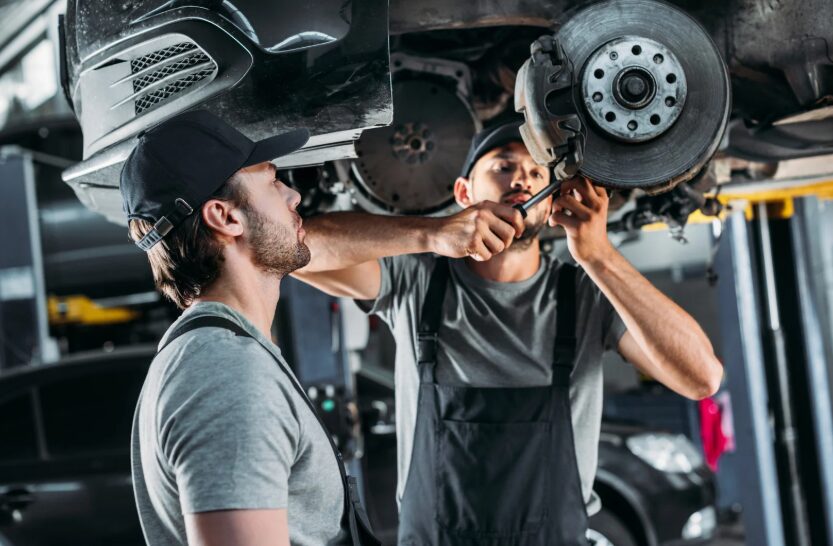
Brakes are among the most important safety systems in any vehicle. Common brake services include inspecting and replacing brake pads, rotors, calipers, drums, and other components when necessary.
Drivers should watch for warning signs such as squealing, grinding, vibrations, a soft brake pedal, or longer stopping distances. A brake warning light should also be investigated promptly.
Brake components naturally wear with use. Replacing worn parts before they cause additional damage can help maintain stopping performance and potentially reduce repair costs.
Because braking problems can affect vehicle control and passenger safety, unusual brake behavior should never be ignored. A professional inspection can identify the source of the problem and determine which repairs are necessary.
Engine Diagnostics and Repair
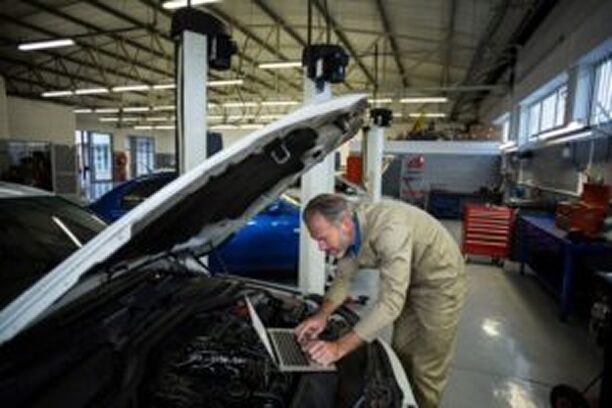
Modern vehicles use computers and sensors to monitor engine operation. When a problem occurs, the check engine light may illuminate. Technicians can use diagnostic equipment to retrieve trouble codes and perform additional testing to determine the underlying cause.
Common engine problems include rough idling, misfires, poor acceleration, overheating, unusual noises, and excessive oil consumption. A diagnostic code does not always mean that a particular part needs replacement, so proper testing is important.
Addressing engine problems early may help prevent additional damage. Professional diagnosis allows technicians to evaluate sensors, ignition components, fuel systems, wiring, and mechanical components before recommending repairs.
Battery and Electrical Services
The battery, starter, and alternator work together to provide the electrical power needed to start and operate a vehicle. Common services include battery testing, replacement, alternator inspection, starter testing, and electrical diagnosis.
A weak battery may cause slow starting, clicking sounds, or repeated no-start situations. Dim lights and other electrical problems may indicate battery, alternator, wiring, or charging-system issues.
Electrical faults can be difficult to identify because several components work together. Technicians may test voltage, connections, fuses, wiring, and charging output to determine the actual cause.
Having the battery and charging system inspected when problems first appear can help reduce the risk of being stranded unexpectedly.
Tire Service and Wheel Alignment
Tires affect traction, handling, braking, and fuel efficiency. Common tire services include inspections, rotations, puncture repairs, replacements, and pressure checks.
Uneven tire wear can indicate incorrect tire pressure, alignment problems, or worn suspension components. Maintaining proper tire pressure can also improve handling and help extend tire life.
Wheel alignment ensures that the wheels are positioned correctly according to manufacturer specifications. A vehicle that pulls to one side, has an off-center steering wheel, or experiences uneven tire wear may need an alignment inspection.
Technicians can examine tire condition and related components before recommending repairs or replacement.
Suspension and Steering Repairs
Suspension and steering systems affect how a vehicle handles and responds to driver input. Components can include shocks, struts, control arms, ball joints, and tie rods.
Signs of suspension or steering problems may include excessive bouncing, knocking noises, loose steering, vibration, or difficulty maintaining a straight path.
Technicians can inspect these components for excessive wear, damage, leaks, or looseness. Timely repairs can help maintain proper handling and prevent uneven tire wear.
Not every unusual noise indicates a major repair, but changes in steering or vehicle stability should be professionally inspected to identify the cause.
Cooling System and Air Conditioning
The cooling system protects the engine from excessive heat. Its components include the radiator, coolant, thermostat, water pump, cooling fans, and hoses.
Common cooling-system problems include leaks, overheating, damaged hoses, and thermostat failures. Warning signs can include a rising temperature gauge, coolant leaks, steam, or unusual smells.
Auto repair facilities may also diagnose air conditioning problems involving refrigerant leaks, compressors, electrical components, or other parts. If the A/C blows warm air or works intermittently, proper diagnosis can identify the cause.
Addressing cooling problems quickly is particularly important because severe overheating can result in significant engine damage.
Transmission Service and Repairs
The transmission transfers engine power to the wheels and allows the vehicle to operate efficiently at different speeds. Transmission services can include fluid checks or replacement, filter service, leak diagnosis, and mechanical or electronic repairs.
Potential warning signs include slipping, delayed engagement, harsh shifting, unusual noises, or fluid leaks. Some transmission problems are caused by relatively specific components rather than requiring complete transmission replacement.
Early diagnosis can help determine the appropriate repair and may prevent a developing issue from becoming more severe. Drivers experiencing unusual shifting should have the vehicle inspected rather than continuing to ignore the symptoms.
Exhaust and Emissions Services
The exhaust system moves combustion gases away from the engine while controlling noise and emissions. Components may include exhaust pipes, the muffler, catalytic converter, oxygen sensors, and exhaust manifold.
Exhaust problems can cause loud noises, rattling, unusual odors, reduced performance, or visible damage. Emissions problems may also trigger the check engine light.
A technician can inspect the system for leaks, corrosion, damaged components, and electronic faults. Prompt attention can help maintain proper vehicle operation and prevent a smaller problem from developing into a more complicated repair.
Preventive Inspections and Safety Checks
Preventive inspections help identify problems before they result in breakdowns. Depending on the vehicle, technicians may inspect brakes, tires, lights, fluids, belts, hoses, steering, suspension, and battery condition.
These inspections can be especially useful before long road trips or when purchasing a used vehicle. They provide drivers with a better understanding of the vehicle’s current condition and upcoming maintenance needs.
If multiple repairs are identified, a technician can help prioritize urgent safety concerns while explaining which services can be scheduled later. Preventive maintenance is often an effective way to reduce unexpected repair expenses and keep a vehicle dependable.
Conclusion
Common auto repair services include oil changes, brake repairs, engine diagnostics, battery and electrical work, tire service, alignment, suspension repairs, transmission maintenance, cooling-system service, and exhaust repairs. Each service plays an important role in keeping a vehicle safe, reliable, and efficient. Recognizing warning signs and following the manufacturer’s maintenance recommendations can help prevent minor issues from becoming major repairs. If you are looking for dependable automotive service in Plainfield, Last Chance Auto Repair For Cars Trucks can help with maintenance, diagnostics, and repairs for cars and trucks. For service information or to discuss your vehicle’s needs, call +1 815-577-0327.
