
When your vehicle needs new tires, a rotation, or help with a flat, you may wonder whether an Auto Repair Shop can handle the job or if you need to visit a dedicated tire center. Many automotive repair facilities offer tire services alongside mechanical repairs, allowing drivers to handle several vehicle needs in one location.
Tires are essential for safe driving because they provide traction, steering control, and braking performance. Regular tire maintenance can also help prevent uneven wear and extend tire life. Understanding the tire services available at an auto repair facility can help you choose the right place for maintenance and repairs.
Tire Installation and Replacement
Many auto repair facilities offer tire installation and replacement. When tires become worn, damaged, or too old, replacing them can restore traction and improve vehicle safety.
Professional installation involves more than removing an old tire and mounting a new one. Technicians can help ensure the replacement tires are the correct size and type for the vehicle. They can also inspect the wheels for visible damage before installation.
Choosing appropriate tires is important because different tires are designed for different driving conditions. Factors such as vehicle type, weather, road conditions, and driving habits can influence which tires are most suitable.
Having tires installed at a repair facility can also be convenient when other maintenance is needed. You may be able to combine tire replacement with an oil change, brake inspection, or other service during the same visit.
Tire Rotation Services
Tire rotation is another common service provided by many repair facilities. It involves moving the tires to different positions on the vehicle according to an appropriate rotation pattern.
Different tires can experience different levels of wear. Front tires, for example, often experience greater wear on front-wheel-drive vehicles because they handle steering, acceleration, and much of the braking.
Regular rotations help distribute wear more evenly across the tire set. This can promote consistent handling and potentially extend tire life.
The recommended rotation schedule depends on the vehicle and tire manufacturer. Your owner’s manual should provide the appropriate maintenance interval.
During a rotation, technicians can also inspect the tires for low tread, uneven wear, punctures, or other problems. Identifying these issues early can help prevent unexpected tire failures.
Wheel Alignment and Tire Wear
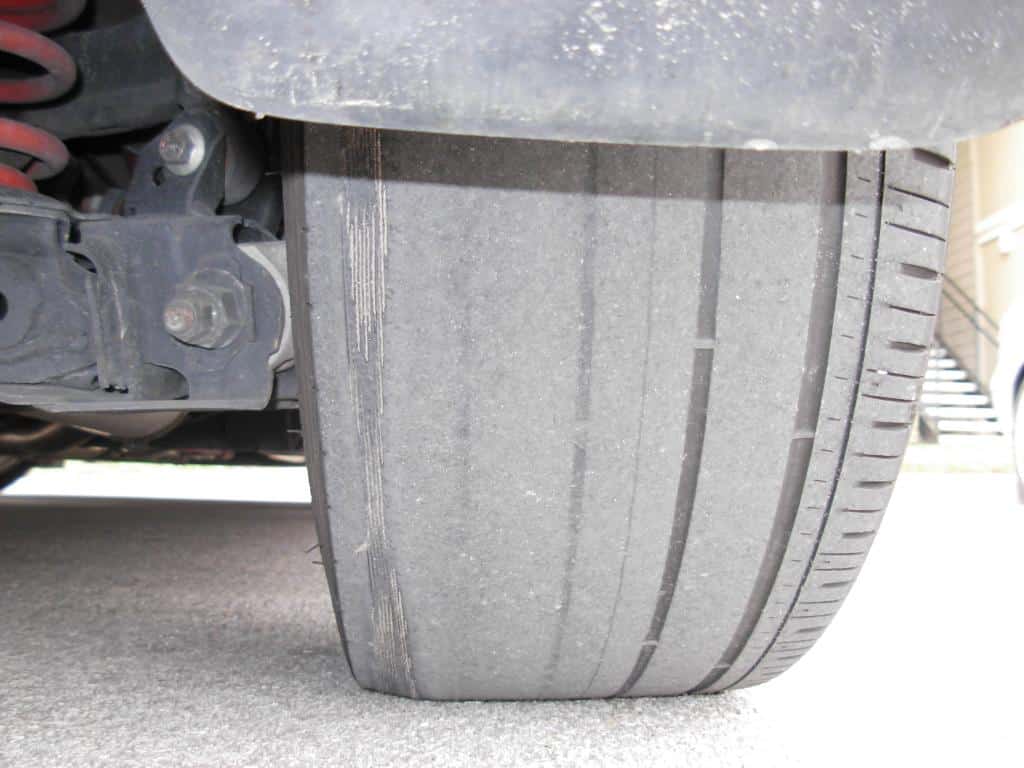
Wheel alignment has a direct effect on tire wear and vehicle handling. If the wheels are improperly aligned, tires can wear unevenly or faster than expected.
Common signs of alignment problems include the vehicle pulling to one side, an off-center steering wheel, and unusual tread wear. Potholes, curbs, road debris, and worn suspension components can contribute to alignment issues.
A repair facility can inspect the alignment when unusual tire wear is discovered. Correcting alignment problems helps the tires maintain better contact with the road and can reduce premature wear.
Checking alignment can be especially useful when installing new tires. Otherwise, an existing alignment problem could cause the replacement tires to wear unevenly.
If your vehicle pulls to one side or your tires show unusual wear patterns, having the vehicle inspected can help determine whether alignment or another mechanical issue is responsible.
Wheel Balancing and Tire Performance
Wheel balancing helps ensure that the tire and wheel assembly rotates smoothly. When a wheel is out of balance, drivers may notice vibrations through the steering wheel or vehicle at certain speeds.
During a balancing service, specialized equipment identifies weight differences around the wheel and tire. Technicians then use small balancing weights to correct the imbalance.
Proper balancing can improve ride comfort and help reduce unnecessary stress on tires and other components. It is particularly important when installing new tires.
If you experience vibration after a tire installation or notice vibration that increases at certain speeds, wheel balancing may be worth checking. However, vibration can also result from alignment problems, damaged tires, or suspension issues.
A professional inspection can help determine the actual cause rather than simply replacing parts unnecessarily.
Flat Tire Repair and Inspection
Some repair facilities offer flat tire repair when the damage is considered safe and repairable. A puncture from a nail or similar object may sometimes be repaired instead of requiring a complete tire replacement.
However, not every tire can or should be repaired. The location and size of the puncture and the overall condition of the tire are important factors.
Sidewall damage is generally a serious concern and may require replacement. A tire that has been driven while severely underinflated can also have internal damage that is not immediately visible.
Technicians should inspect the tire before recommending a repair. Continuing to drive on a damaged or severely underinflated tire can increase the risk of tire failure.
If you experience a flat, safely pull over and have the tire professionally evaluated as soon as possible.
Tire Pressure Checks and Maintenance
Maintaining the correct tire pressure is one of the easiest ways to support tire performance. Many repair facilities can check and adjust tire pressure during routine maintenance.
Tire pressure can decrease naturally over time and may change as temperatures fluctuate. Underinflated tires can increase rolling resistance, affect handling, and contribute to uneven wear.
Overinflation can also affect handling and reduce the amount of tread contacting the road. The correct pressure for your vehicle is usually listed on the driver’s door-jamb label or in the owner’s manual.
Technicians can also inspect tires for visible damage, abnormal wear, and other warning signs while checking pressure.
Checking tire pressure before long trips and during significant weather changes is a good maintenance habit. Proper inflation helps your tires perform as intended.
Tire Tread Inspection and Safety
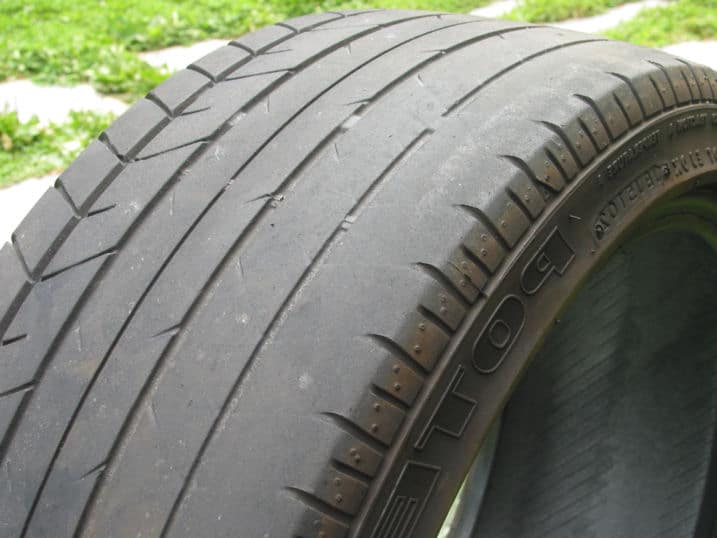
Tire tread is essential for maintaining traction, especially on wet roads. As tread wears down, the tire can become less effective at maintaining grip and moving water away from the contact area.
A technician can inspect tread depth and identify uneven wear. Uneven patterns may indicate problems with inflation, alignment, balancing, suspension, or other components.
Drivers should also watch for cracks, bulges, cuts, and exposed cords. These conditions can indicate serious tire damage and should receive professional attention.
Replacing tires before they become excessively worn is an important safety measure. Waiting until a tire is severely deteriorated can increase the risk of reduced traction or tire failure.
Regular inspections make it easier to identify problems early. If your vehicle begins vibrating, pulling, or losing tire pressure repeatedly, schedule an inspection rather than ignoring the symptoms.
When Should You Replace Your Tires?
Tires should be replaced when they have insufficient tread, significant damage, or other conditions that make continued use unsafe. Age can also be a consideration because tire materials naturally deteriorate over time.
Low tread is one of the most common reasons for replacement. Worn tires may provide less traction, particularly during rain or other challenging conditions.
Visible damage such as cracks, bulges, or exposed cords should also be professionally evaluated. Depending on the problem, replacement may be necessary.
Driving conditions and habits influence tire lifespan. Frequent highway driving, heavy loads, poor road surfaces, aggressive driving, and improper tire pressure can contribute to faster wear.
A qualified technician can evaluate your tires and explain whether they need replacement. Keeping tires in good condition is an important part of maintaining safe and reliable transportation.
Choosing a Tire Service Provider
When selecting an Auto Repair Shop for tire services, consider the range of services available, technician experience, equipment, and overall convenience.
Ask whether the facility provides the specific service you need, such as installation, rotation, balancing, flat repair, or alignment. If you need replacement tires, ask about available sizes and options for your vehicle.
A reputable facility should be willing to explain its recommendations and identify the reason a particular service is needed. Understanding the problem helps you make a more informed maintenance decision.
Choosing one facility for both tire services and mechanical repairs can also simplify vehicle maintenance. Technicians can consider how tires, brakes, steering, suspension, and alignment work together.
Conclusion
An Auto Repair Shop can often provide a wide range of tire services, including installation, replacement, rotation, balancing, flat tire inspection, pressure checks, tread inspections, and wheel alignment. However, available services vary by facility, so it is always best to confirm what a particular shop offers.
Regular tire maintenance supports traction, handling, braking, and overall driving safety. It can also help identify alignment, suspension, or other mechanical issues that contribute to premature tire wear.
For drivers in Plainfield, Last Chance Auto Repair For Cars Trucks can help with vehicle maintenance and repair needs. If you have questions about your tires or need automotive service, contact the shop at +1 815-577-0327 to discuss your vehicle’s needs.
