

When your vehicle starts making unusual noises, displays warning lights, or experiences performance issues, finding the cause quickly is essential. Many drivers wonder whether an Auto Repair Shop in Plainfield provides diagnostic services and how these services help identify vehicle problems. Modern vehicles rely heavily on sophisticated computer systems, sensors, and electronic components that require specialized diagnostic equipment to evaluate properly.
Diagnostic services are one of the most important aspects of automotive maintenance and repair. Rather than guessing what might be wrong with a vehicle, technicians use advanced tools to pinpoint the exact issue. This approach saves time, reduces unnecessary repairs, and helps vehicle owners make informed decisions about maintenance. Understanding how diagnostic services work and what they include can help drivers protect their investment and keep their vehicles operating safely and efficiently.
What Are Automotive Diagnostic Services?
Automotive diagnostic services involve the process of identifying problems within a vehicle using specialized tools, software, and professional expertise. Today’s vehicles contain multiple onboard computer systems that monitor everything from engine performance to emissions and safety features.
When a problem occurs, these systems often generate trouble codes that provide valuable information about the issue. Diagnostic equipment connects directly to the vehicle’s computer and retrieves these codes for analysis. However, diagnostics involve much more than simply reading codes. Experienced technicians interpret the information, perform inspections, and conduct tests to determine the root cause of the problem.
A professional Auto Repair Shop in Plainfield typically offers comprehensive diagnostic services for engines, transmissions, brakes, electrical systems, emissions systems, and more. These services help identify issues before they become major repairs, saving vehicle owners both time and money. Proper diagnostics ensure repairs are accurate and effective, reducing the likelihood of recurring problems.
Why Vehicle Diagnostics Are Important
Vehicle diagnostics play a critical role in maintaining performance, reliability, and safety. Without proper diagnostics, technicians may rely on assumptions that can lead to unnecessary repairs and increased costs.
Modern diagnostic procedures allow mechanics to identify issues with precision. Whether the problem involves a faulty sensor, ignition component, fuel system malfunction, or electrical issue, diagnostics provide valuable insights into the vehicle’s condition. This accuracy helps ensure that only the necessary repairs are performed.
Diagnostic services also support preventive maintenance. Detecting minor issues early can prevent more extensive damage later. For example, identifying a failing sensor before it affects engine performance can prevent costly repairs down the road.
In addition, diagnostics help improve fuel efficiency and emissions performance. Vehicles operating with unresolved issues often consume more fuel and produce higher emissions. Regular diagnostic checks can help maintain optimal performance and compliance with environmental standards.
Common Problems Identified Through Diagnostics
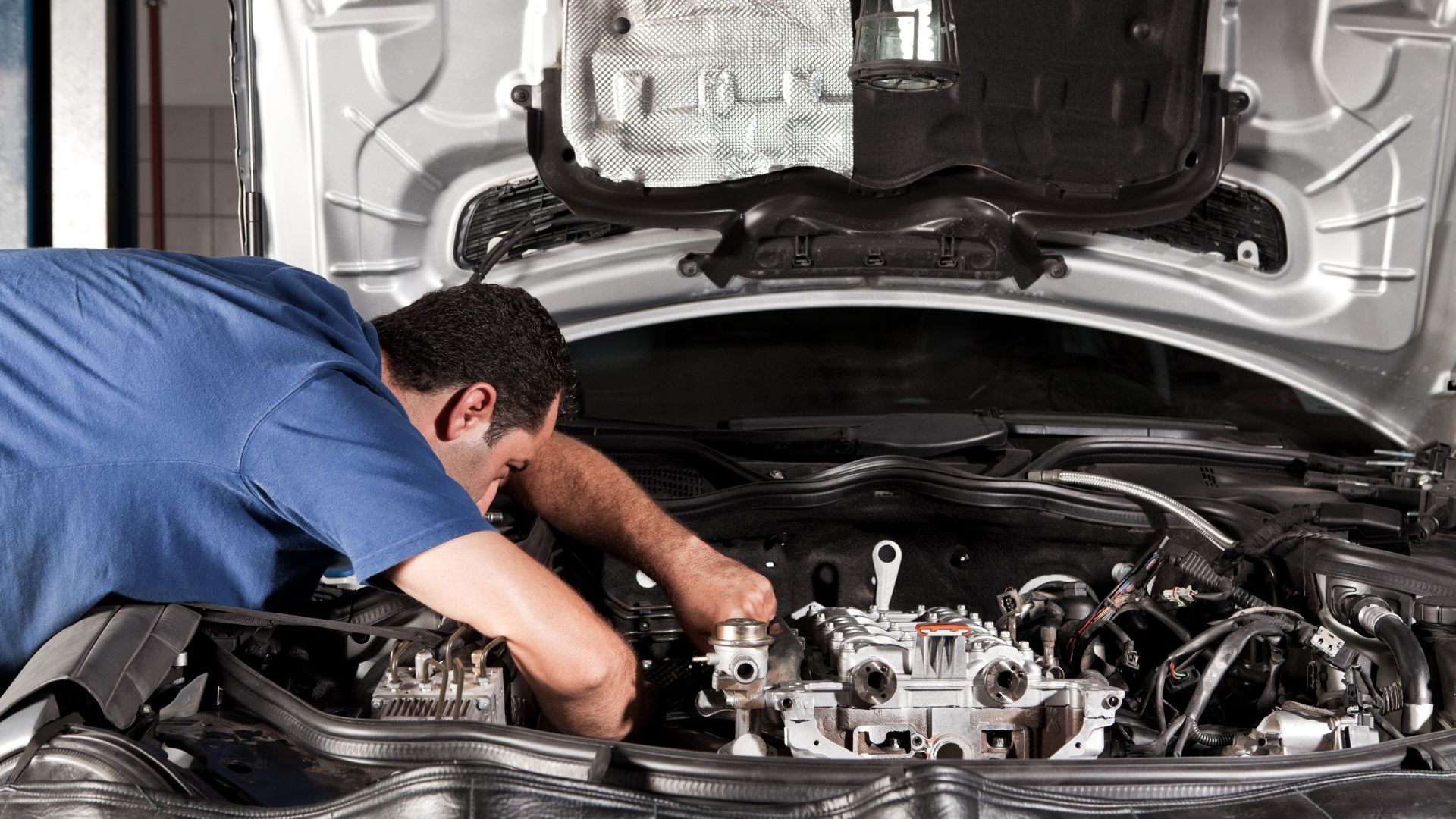
Automotive diagnostics can reveal a wide variety of vehicle issues. One of the most common reasons drivers seek diagnostics is an illuminated check engine light. While the warning light indicates a problem exists, diagnostics determine the exact cause.
Engine performance issues such as rough idling, hesitation, misfires, and poor acceleration are frequently diagnosed using computerized testing. Fuel delivery problems, ignition system failures, and sensor malfunctions can all be identified through advanced diagnostic equipment.
Transmission-related concerns may also require diagnostic evaluation. Shifting problems, delayed engagement, or warning indicators often point to electronic or mechanical issues that need professional attention.
Electrical system problems are another common area where diagnostics are valuable. Modern vehicles rely on complex wiring networks and electronic control modules. Diagnostic testing helps technicians locate faulty circuits, malfunctioning sensors, and communication errors between vehicle systems.
By identifying problems accurately, repair shops can recommend effective solutions and avoid unnecessary part replacements.
How Diagnostic Equipment Works
Modern automotive diagnostic equipment communicates directly with a vehicle’s onboard computer systems. Technicians connect diagnostic scanners to the vehicle’s data port, typically located beneath the dashboard.
The scanner retrieves diagnostic trouble codes and real-time operating data from various systems. This information provides valuable insights into engine performance, emissions functions, transmission operation, and other vehicle components. Advanced scanners can monitor sensor readings, fuel trim values, temperature data, and numerous other parameters.
However, diagnostic equipment alone does not solve vehicle problems. Skilled technicians interpret the information and combine it with physical inspections and testing procedures. This combination of technology and expertise ensures accurate diagnoses.
A qualified Auto Repair Shop in Plainfield often invests in up-to-date diagnostic technology to service a wide range of vehicle makes and models. These tools enable technicians to identify issues quickly and efficiently while minimizing guesswork. The result is more accurate repairs and improved customer satisfaction.
Diagnostics for Check Engine Light Issues
The check engine light is one of the most common reasons drivers seek professional diagnostics. While some drivers may ignore the warning, doing so can lead to more significant problems over time.
When the check engine light illuminates, the vehicle’s computer stores one or more trouble codes related to the detected issue. These codes serve as a starting point for diagnosis but do not always identify the exact failed component. Additional testing is often necessary.
Possible causes include oxygen sensor failures, ignition problems, catalytic converter issues, fuel system malfunctions, vacuum leaks, and emissions-related concerns. Diagnostic testing helps technicians narrow down the possibilities and identify the actual source of the problem.
Prompt diagnosis can prevent minor issues from becoming major repairs. Addressing warning lights early helps maintain fuel efficiency, reduce emissions, and protect engine performance. Professional diagnostic services ensure vehicle owners receive accurate information and effective repair recommendations.
Diagnostic Services for Electrical Systems
Electrical systems have become increasingly complex in modern vehicles. From power windows and lighting systems to advanced driver-assistance features, electrical components play a crucial role in vehicle operation.
Electrical issues can be difficult to diagnose without specialized equipment. Problems such as intermittent faults, battery drain, wiring damage, or module communication failures often require advanced testing procedures. Diagnostic tools help technicians trace electrical circuits and identify malfunctioning components.
Technicians may perform voltage testing, continuity testing, battery evaluations, and charging system inspections as part of the diagnostic process. These procedures help isolate the root cause of electrical concerns.
Professional diagnostics are especially important because electrical problems can affect multiple vehicle systems simultaneously. Accurate testing prevents unnecessary replacements and ensures repairs address the true source of the issue. Comprehensive electrical diagnostics contribute to vehicle reliability and long-term performance.
Can Diagnostics Prevent Costly Repairs?
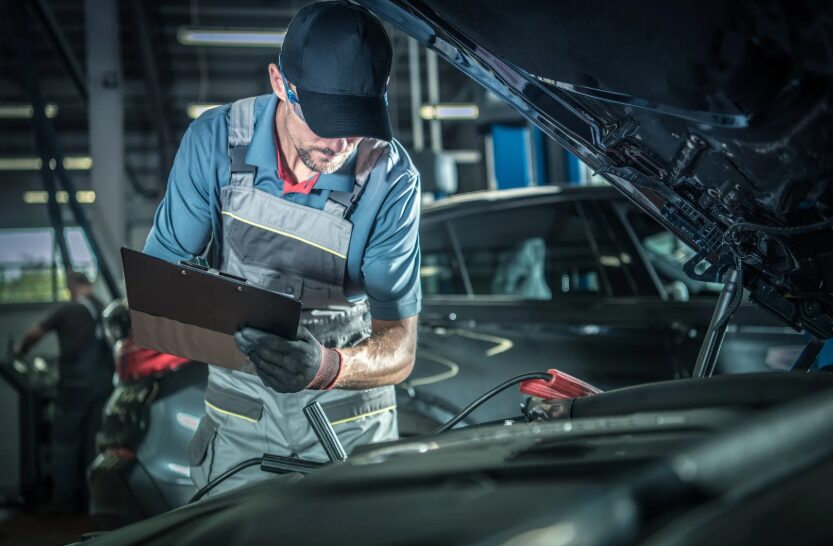
One of the biggest benefits of diagnostic services is their ability to help prevent expensive repairs. Early detection of developing issues allows vehicle owners to address problems before they escalate into major failures.
For example, identifying a minor sensor issue may prevent engine performance problems that could eventually damage more expensive components. Similarly, detecting charging system problems early can help avoid battery failure or electrical damage.
Regular diagnostic evaluations can also reveal maintenance needs that might otherwise go unnoticed. Monitoring vehicle systems allows technicians to identify abnormal patterns and recommend corrective action before significant damage occurs.
Vehicle owners who prioritize diagnostics often experience lower long-term repair costs because problems are addressed while they are still manageable. Preventive diagnostics support vehicle longevity and improve overall reliability, making them a valuable part of routine automotive care.
What to Expect During a Diagnostic Appointment
A diagnostic appointment typically begins with a discussion of the symptoms the driver has noticed. Providing detailed information helps technicians focus their evaluation and identify possible causes more efficiently.
Technicians then connect diagnostic equipment to the vehicle and retrieve relevant data from onboard systems. Depending on the issue, additional inspections and tests may be performed. These may include road testing, visual inspections, fluid checks, electrical testing, or component evaluations.
Once the diagnosis is complete, the technician explains the findings and recommends any necessary repairs. This process helps vehicle owners understand the issue and make informed decisions about service.
Choosing a Repair Shop for Diagnostic Services
Selecting the right repair shop is important when seeking diagnostic services. Drivers should look for facilities with experienced technicians, modern equipment, and a strong reputation for quality workmanship.
Shops that invest in advanced diagnostic technology are better equipped to service today’s complex vehicles. Certified technicians with ongoing training can accurately interpret diagnostic data and recommend appropriate repairs.
Customer reviews and recommendations can also provide valuable insight into a shop’s professionalism and service quality. Transparent pricing and clear communication are additional factors to consider.
Conclusion
Yes, auto repair shops commonly provide diagnostic services, and these services are essential for identifying vehicle problems accurately and efficiently. From checking engine light evaluations to electrical system testing and performance analysis, diagnostics help technicians determine the root cause of issues and recommend effective repairs. Modern diagnostic equipment, combined with professional expertise, allows problems to be detected early, reducing repair costs and improving vehicle reliability.
If you need dependable diagnostic services, contact Last Chance Auto Repair For Cars Trucks in Plainfield. Their experienced team can help identify and resolve vehicle concerns using advanced diagnostic methods. For professional automotive assistance, call +1 815-577-0327 and schedule an appointment today.
https://www.podomatic.com/podcasts/emonmd9195podcast/episodes/2026-07-28T06_33_10-07_00
https://stream.redcircle.com/episodes/a38c8794-d830-43d5-96bf-dd66ac60d5a0/stream.mp3
