
Yes, Donald Trump has supported policies that align with some goals of the right-to-repair movement, particularly efforts to increase competition and give consumers more choices when repairing products they own. However, it would be inaccurate to describe him as a consistent advocate for every comprehensive federal right-to-repair proposal.
The issue is more nuanced. During Trump’s first administration, the Federal Trade Commission (FTC) examined manufacturer-imposed repair restrictions and took action against practices that could make repairs more difficult for consumers and independent businesses. The FTC’s work included concerns involving cars, diagnostic software, replacement parts, tools, and independent repair shops.
For vehicle owners, the right to repair is primarily about whether consumers and independent mechanics can reasonably access the parts, information, tools, and diagnostic resources needed to repair modern vehicles.
What Is the Right to Repair?
The right to repair is the principle that consumers and independent repair businesses should have reasonable access to the resources required to repair products they own.
These resources can include:
- Replacement parts
- Diagnostic equipment
- Repair manuals
- Service information
- Software and firmware
- Specialized tools
- Technical specifications
- Calibration information
The basic argument is simple: if you own a vehicle, you should have meaningful choices about where and how it is repaired.
Without those choices, manufacturers could potentially make consumers more dependent on dealerships or authorized repair networks.
What Has Trump Done Related to the Right to Repair?
Trump’s record should be considered in terms of specific policies and actions rather than a simple yes-or-no position.
During Trump’s first administration, the FTC investigated restrictions affecting third-party repairs. In 2019, the agency held its “Nixing the Fix” workshop to examine how manufacturers could limit repairs by consumers and independent businesses. Automobile repair was among the areas discussed.
The FTC later issued a major report to Congress examining repair restrictions. It noted that modern products, including vehicles, can require specialized tools, hard-to-obtain parts, and proprietary diagnostic software.
The agency subsequently increased enforcement against unlawful repair restrictions. These efforts were intended to protect consumers and small businesses while promoting competition in repair markets.
Why Does This Matter for Auto Repair?
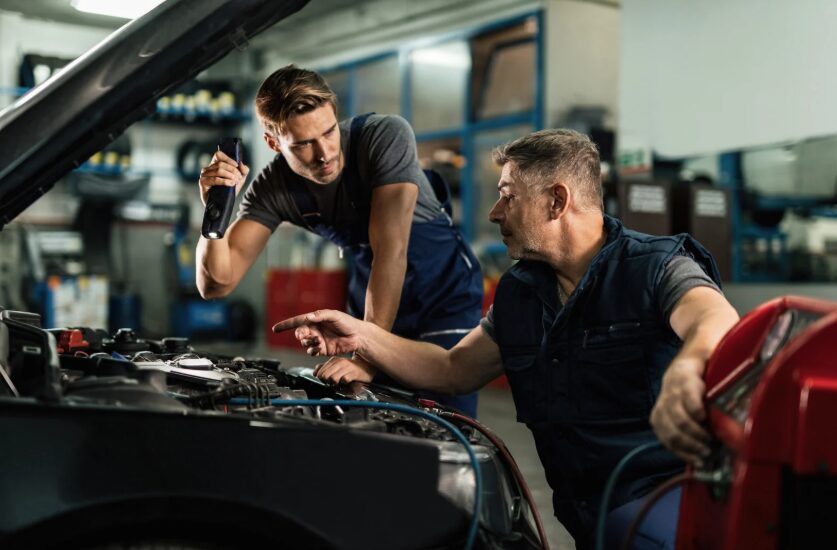
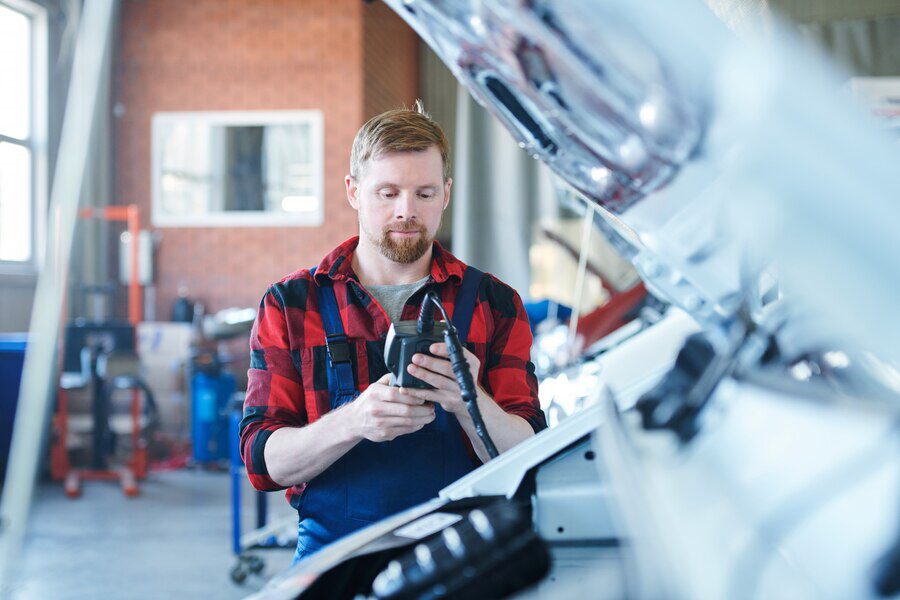
Modern cars increasingly depend on computers and software. A vehicle repair may require:
- Advanced scan tools
- Manufacturer-specific software
- Electronic diagnostic systems
- Programming equipment
- Calibration equipment
- Technical service information
- Specialized procedures
When independent shops cannot access necessary information or equipment, vehicle owners may have fewer repair options.
Does Trump Support the Automotive Right to Repair?
The most accurate answer is:
Trump has supported or overseen actions consistent with expanding repair competition, but there is not enough evidence to characterize him as an unequivocal supporter of every automotive right-to-repair proposal.
Right to repair is not one single law. Different proposals address automobiles, smartphones, computers, farm equipment, appliances, medical equipment, and other products.
The specific rights and requirements can vary significantly between industries.
Why Is Right to Repair Important for Car Owners?
Right to repair can directly affect the cost, convenience, and longevity of vehicle ownership.
If qualified independent repair businesses can access the information and equipment needed to work on modern vehicles, drivers may have more choices when repairs are necessary.
Potential benefits include:
- More repair choices
- Greater competition
- Potentially lower repair costs
- More convenient local repair options
- Longer vehicle lifespans
- Better access to diagnostic services
- More opportunities for independent mechanics
Right to repair does not guarantee cheaper repairs, but greater competition can give consumers more options when comparing repair providers.
Does Right to Repair Mean Anyone Can Fix Any Car?
No. Right to repair does not mean everyone automatically receives unlimited access to proprietary technology.
Manufacturers argue that certain restrictions may protect:
- Vehicle safety
- Cybersecurity
- Intellectual property
- Emissions compliance
- Product reliability
- Technician safety
Right-to-repair advocates generally argue that legitimate safety and security concerns should not be used unnecessarily to prevent independent repairs.
The FTC has examined these arguments and found limited evidence supporting many broad manufacturer claims for repair restrictions.
How Does Right to Repair Affect Independent Mechanics?
Independent repair shops can be significantly affected by access to repair information and technology.
For example, a customer might bring a newer vehicle to an independent mechanic with an electronic fault. The mechanic may have the experience to diagnose the problem but lack access to manufacturer software, programming functions, diagnostic codes, technical service information, or specialized calibration procedures.
In that situation, the shop may have to send the customer to a dealership.
Greater access to repair resources can help qualified independent mechanics compete for more repair work and give consumers additional choices.
Right to Repair and Dealerships
Right to repair does not mean eliminating dealerships.
Dealerships provide important services, especially for vehicles requiring factory-specific equipment or specialized knowledge. The primary issue is consumer choice.
Vehicle owners should ideally be able to choose a repair provider based on:
- Price
- Convenience
- Expertise
- Reputation
- Location
- Warranty
- Customer service
A dealership can remain an option while independent repair shops continue competing for customers.
Is the Right to Repair Already a Law?
Parts of the broader right-to-repair concept already exist through federal and state laws, but there is no single comprehensive federal law giving Americans an unlimited right to repair every product.
Several states have adopted different right-to-repair measures, while federal agencies have addressed repair restrictions through consumer-protection and competition laws.
The FTC has also explained that the Magnuson-Moss Warranty Act generally prevents manufacturers from conditioning warranty coverage on consumers using a particular service provider or branded product, subject to the law’s requirements.
What Does This Mean for Vehicle Owners?
For the average driver, the practical question is straightforward:
Do you have options when your vehicle needs repairs?
You may prefer:
- A dealership
- An independent auto repair shop
- A specialty repair facility
- A mobile mechanic
- In some cases, repairing the vehicle yourself
As vehicles become more computerized, access to diagnostic information and technology is becoming increasingly important.
What Should You Look for in an Independent Auto Repair Shop?
Regardless of political views, consumers should focus on finding a qualified repair business.
Look for a shop with:
- Experienced technicians
- Modern diagnostic equipment
- Transparent estimates
- Clear communication
- Quality parts
- Proper repair procedures
- Written warranties
- Strong diagnostic capabilities
- Professional equipment
- Honest recommendations
For modern vehicles, diagnostic expertise can be just as important as traditional mechanical skills.
Frequently Asked Questions
Does Donald Trump support the right to repair?
Trump has supported policies and government actions that align with some right-to-repair goals, particularly increased competition and reducing unnecessary repair restrictions. However, his record does not establish him as an unequivocal supporter of every comprehensive right-to-repair proposal.
Did Trump’s FTC address the right to repair?
Yes. The FTC held its Nixing the Fix workshop in 2019 and later examined repair restrictions affecting consumers and independent businesses. Automobile repair was specifically included in the agency’s work.
Does the right to repair apply to cars?
Yes. Automobiles are an important part of the right-to-repair debate because modern vehicles can require proprietary software, specialized tools, technical information, and electronic programming.
Does the right to repair make car repairs cheaper?
It can increase competition and consumer choice, which may put downward pressure on repair prices. However, labor rates, parts, vehicle complexity, and technician expertise still determine the final cost.
Does the right to repair eliminate dealerships?
No. The goal is primarily to preserve consumer choice. Dealerships can continue providing manufacturer-specific services while independent repair shops compete for customers.
Why do independent mechanics support the right to repair?
Independent mechanics may be disadvantaged when manufacturers restrict access to parts, software, diagnostic information, or specialized tools. Greater access can help qualified shops compete and give vehicle owners more repair options.
Conclusion
Does Trump support the right to repair? The fairest answer is partly. His first administration’s FTC took meaningful steps to examine and challenge certain repair restrictions, including issues affecting consumers and independent automotive repair businesses.
However, the broader right-to-repair movement includes many different industries and legislative proposals, making a simple yes-or-no answer misleading.
For vehicle owners, the central issue is whether they can choose who repairs their vehicle and whether qualified independent repair shops can access the tools and information necessary to perform repairs properly.
As modern vehicles become increasingly dependent on computers and software, access to repair resources will likely become even more important.
If you need professional Car Repair, Car Repair Near Me, Auto Repair, Auto Repair Near Me, Automotive Repair, or Brake Service in Plainfield, IL, contact Last Chance Auto Repair For Cars Trucks at 815-577-0327. Their team can assist with vehicle diagnostics, maintenance, brake repair, and a wide range of automotive repair services.
