Last Chance Auto Repair

Auto Repair Shop In Plainfield, IL

Auto Repair Shop In Plainfield, IL

Auto Repair In Plainfield At Its Finest. Serving Plainfield, Naperville, Bolingbrook, Romeoville, Chicagoland since 1978.

  • Services
        • Brake Repair
          • Brakes Near Me
          • Brakes Plainfield
          • Brakes Naperville
          • Brakes Bolingbrook
          • Brake Rotor Replacement
          • Save On Brakes
        • Emissions Repair
        • Asian Repair
        • European Repair
        • Classic & Vintage
        • Truck Repair
          • Medium Duty Repair
        • Fleet Repair
        • Charging System Repair
          • Alternator Repair
          • Alternator Replacement
        • A/C Repair
          • A/C Recharge Service
          • A/C Condenser Repair
          • A/C Compressor Repair
        • Cooling System
          • Radiator Services
          • Water Pump Replacement
          • Thermostat Replacement
        • Steering System
        • Auto Maintenance
          • Auto Tune-Up
          • Oil Change
          • Batteries
        • Engine Services
          • Starter Replacement
          • Timing Belt Replacement
          • Timing Chain Replacement
          • Cylinder Heads
          • Auto Machine Shop
        • Transmissions
          • Clutch Replacement
          • Torque Converter Replacement
        • Transfer Cases
        • Carburetors
        • Driveshaft Service
        • Diesel Repair
        • Electrical Repair
        • Suspension Repair
          • Shocks & Struts
          • Ball Joint Replacement
          • Alignment Shop
        • Exhaust Repair
          • Catalytic Converter
        • Differential Repair
        • Diagnostic
        • Auto Glass Repair
        • Auto Body Shop
        • Welding Service
        • Vehicle Inspection
        • Tire Replacement
  • Vehicles
          • DOMESTIC
          • Buick Repair
          • Cadillac Repair
          • Chevrolet Repair
          • Corvette Repair
          • Dodge Repair
          • Ford Repair
          • GMC Repair
          • Hummer Repair
          • Jeep Repair
          • RAM Repair
          • ASIAN
          • Acura Repair
          • Daewoo Repair
          • Honda Repair
          • Hyundai Repair
          • Infiniti Repair
          • Isuzu Repair
          • KIA Repair
          • Lexus Repair
          • Mazda Repair
          • Nissan Repair
          • Mitsubishi Repair
          • Scion Repair
          • Subaru Repair
          • Suzuki Repair
          • Toyota Repair
          • EUROPEAN
          • BMW Repair
          • Fiat Repair
          • Jaguar Repair
          • Land Rover Repair
          • Mercedes Benz Repair
          • MINI Cooper Repair
          • Porsche Repair
          • Saab Repair
          • Smart Repair
          • Volkswagen Repair
          • Volvo Repair
  • Towing
        • 24 Hour Towing
        • Towing Plainfield
        • Towing Bolingbrook
        • Roadside Assistance
        • Lockout Service
        • Jump Start Service
        • Mobile Battery Replacement
        • Toolbox Towing
  • Storage
    • Outdoor Car Storage
  • Coupons
        • Low Cost Guaranteed
        • Transmissions
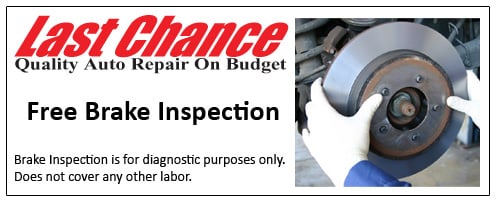
        • Free Brake Inspection
        • Air Conditioning
        • Oil Change Specials
        • Free Computer Scan
        • Teacher Discount
        • Senior Citizen Discount
  • Blog
  • About Us
    • Reviews
    • Now Hiring
    • Mechanic Jobs
    • Brake Repair FAQs
  • Contact Us
  • Write A Review

How Often Should I Change My Transmission Fluid?

How Often Should I Change My Transmission Fluid?

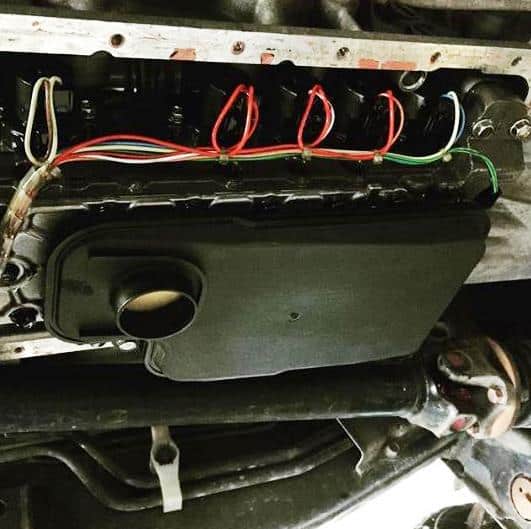
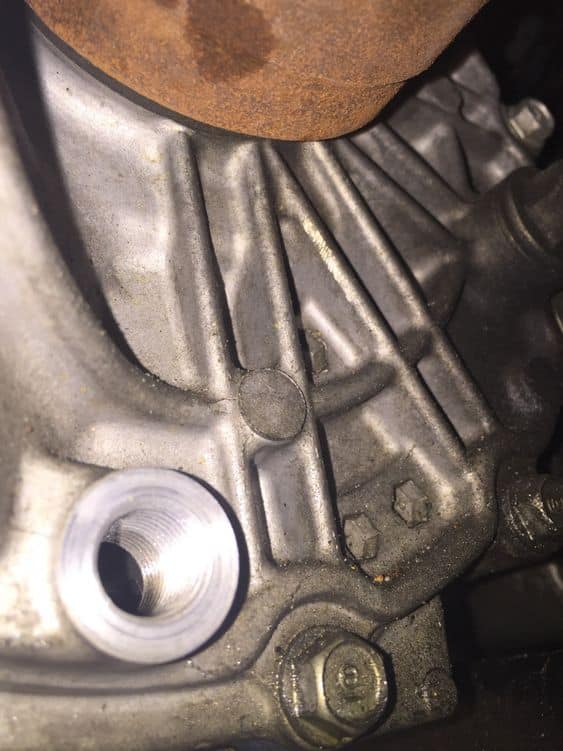
Transmission-Service-Plainfield-Illinois


Trying to figure out when to change/service your transmission? Your vehicle has numerous types of fluid running throughout your vehicle like blood through veins, but one of the most important hands down is transmission fluid.


Should it be changed or not, is it worth it, maybe or maybe not? Through much debate: Absolutely, yes, you should! Be that as it may, how often this crucial service ought to be performed varies by the make, model and transmission. In the transmission service industry this service is one of the most debated & discussed.


When Should I change My Transmission Fluid?
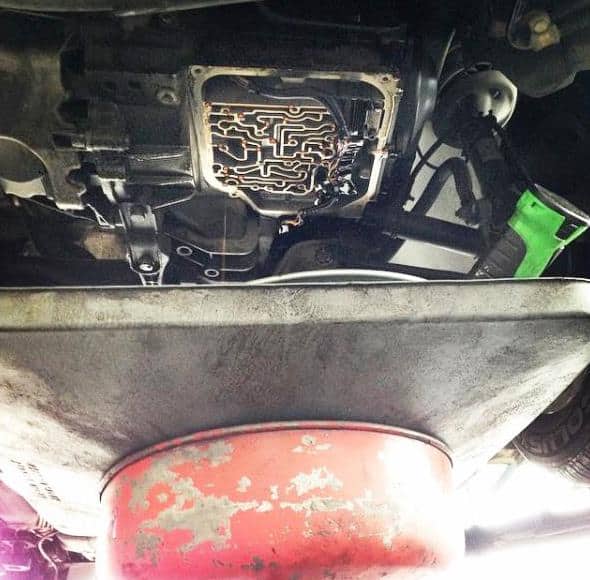
Transmission Maintenance Shop Plainfield, IL Transmission Maintenance Plainfield, IL 60585


When it comes to changing automatic transmission fluid these days (2020) most manufacturer’s maintenance schedules call for fresh transmission fluid around 60,000-100,000 miles or so. Where some others say 150,000 miles and then some even claim (say) the transmission fluid lasts a lifetime. Wouldn’t that be great if your vehicle’s fluids lasted a lifetime and you never even had to worry. If that was the case we wouldn’t be here writing this article.


Just like all other vehicle fluids, transmission fluid deteriorates over time. But all fluids eventually deteriorate it’s just a matter of when and keeping up on the preventative maintenance aspect to make sure a simple service being overlooked doesn’t turn into a costly with downtime included major service. Lets talk about some of the determining factors behind when to change your transmission fluid.


How do you drive your vehicle, like you still have payments left, like you own it or stole it? Does your vehicle work hard? As in “hard use” – such as a lot of stop-and-go driving, towing boats, equipment or toys with trailers. This will put the need for transmission service in a different category hence it will move it from normal service to severe service, which means you need to service it sooner than normal.


Pushing the vehicle harder raises the transmission operating temperature, and heat puts more strain on the transmission and the fluid. Engine oil and transmission fluid are two different animals. Engine oil primarily acts as a lubricant, transmission fluid on the other hand serves as both a lubricant oil and a hydraulic fluid that is crucial to facilitate gear shifting, cooling the transmission and lubricating all the moving parts.


When Should I Check My Transmission Fluid?

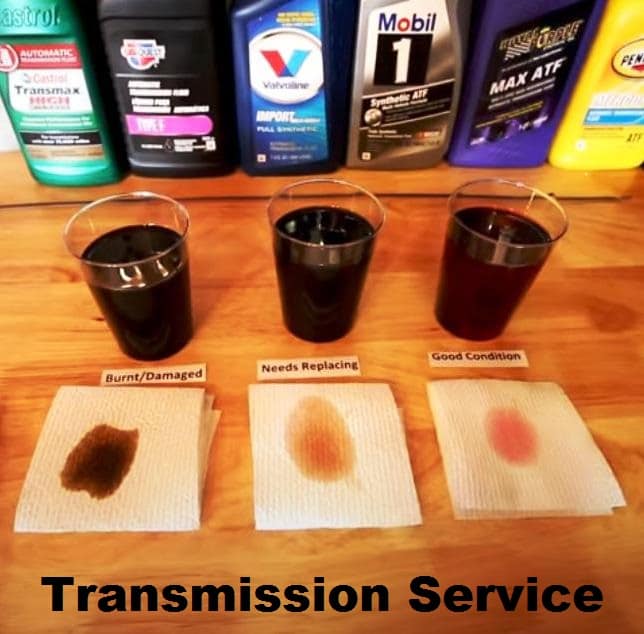
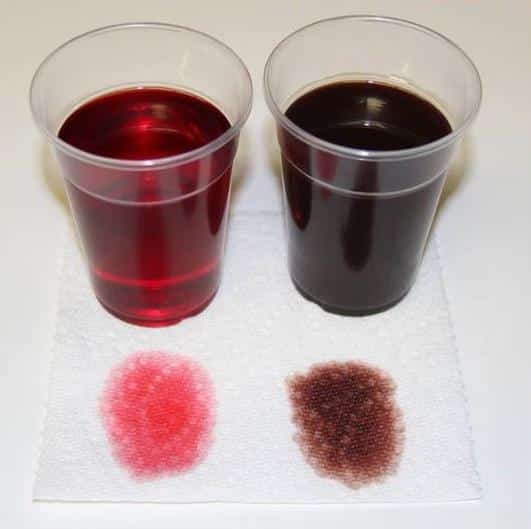
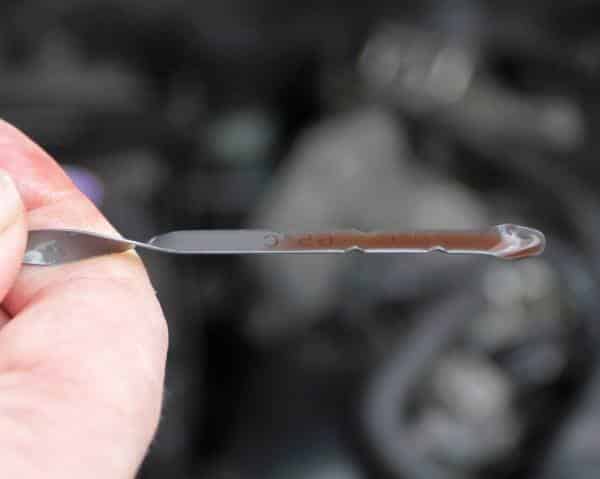
If you do a lot of driving under high-stress conditions, you should check the transmission level more often and have a repair shop check the condition of the fluid. Transmission fluid often is red but can come in other colors, and as it deteriorates it tends to turn darker. It may also acquire a burned odor that could indicate it needs to be changed or that the transmission is developing mechanical problems.


If your vehicle deals with a lot high-stress aka harder driving conditions, you should have a local transmission shop check the transmission fluid level all the more regularly to make sure that your transmission stays healthy. Transmission fluid is typically red, in some cases it is different colors, but regardless as it deteriorates it will generally turn a darker color. It typically will also gain a burned scent that means it either should be changed and or worse case scenario you waited way to long to check your trans fluid and now there may be a mechanical issue brewing. When this occurs it’s time for a transmission shop near me.


Another tell tale sign that your transmission fluid needs to be changed is if there is debris and or particles floating around in the fluid. When you bring your vehicle in for routine service or an oil change, the repair shop (if they service transmissions) can take a closer look at your transmission fluid, your maintenance schedule and your service records to determine what needs to be done if anything.


A lot of auto repair shops these days try to push the transmission flush service. This service forces the old fluid out and then pumps the new fluid in rather than offering you the drain & fill service that includes, in a lot of cases a new transmission filter, cleaning the magnets and inside of the trans pan. Which one is better?
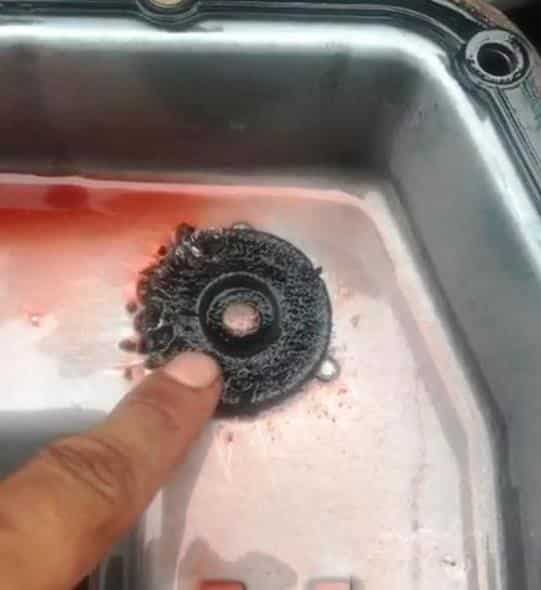
 

Transmission Flush Plainfield, IL


With a transmission flush service the trans pan never comes off, the transmission filter typically isn’t changed (if applicable), you don’t see what is on the magnets inside of the pan nor does it clean the debris & metal shavings that may be present. Some vehicle manufacturers (like Honda & Acura for instance) say not to flush your trans.


You need to know what your vehicle’s manufacture recommends to make sure what is needed and when it’s needed. Either by checking your maintenance schedule, doing your homework online and or bringing it a local transmission expert.


Automatic transmissions these days call for a specific type of automatic trans fluid. Using the wrong fluid could cause damage and cost you a lot more than it would of cost you if you were to have brought it to a transmission expert. A lot of shops and oil change stations that don’t specialize on transmissions will be quick to offer a costly, easy money, transmission flush service. You don’t want to find out the hard way that not every shop specializes on transmissions.


Should I Still Service My Transmission?

Have you never serviced your transmission and have 100,000 miles or more? In this case to play it safe you should bring your vehicle to a transmission shop near you you that knows transmissions. Unless your a gambler and don’t mind taking risks that is. We’ve learned a lot through the many decades of serving transmissions. We have also seen different outcomes due to different situations & circumstances. Our knowledge gives us the ability to not have to gamble with other peoples money. Right or wrong we make sure to point the customer in the right direction.


We’ve seen transmissions with high miles fail after having a fluid service and we’ve seen others operate like a champ. It’s all about the pre-inspection before the service & the problems at hand. If the the transmission is having problems and the fluid is dark with stuff floating around in it, fresh fluid in most cases is not the magical cure for gears slipping, rough shifting or other mechanical problems.

Tagged With: change transmission fluid, changing transmission fluid, service transmission, should i service my transmission, trans service near me, trans service Plainfield, transmission expert, transmission fluid exchange, transmission repair near me, transmission service shop, transmissions, who services transmissions

How To Check Your Transmission Fluid Level

How To Check Your Transmission Fluid Level

Get Your Transmission Fluid Checked At Last Chance Auto Repair In Plainfield, IL


Does your vehicle have an automatic transmission? If so you are in luck because this blog post is all about checking the fluid level on automatic transmissions.


When a vehicle starts shifting funny as in like a hesitation, a hiccup between gear shifts and or maybe it doesn’t shift gears at all, it could mean your due for maintenance, having a mechanical issue or maybe your low on transmission fluid.


  • Before you start to worry to much, take a deep breath, say woosah, and lets talk about how to check your transmission fluid level.
  • Do you know how to check your transmission fluid level? If you are reading this will have to go with no. No worries, it’s typically an easy basic maintenance duty that could save you a trip to the local repair shop and a couple of bucks.


Locate Transmission Dipstick If Applicable

Check Your Transmission Fluid At Last Chance Auto Repair In Plainfield Illinois


1st you’ll have to find the transmission dipstick if applicable. Hopefully you know how to pop the hood. If not I wouldn’t even suggest trying to check the fluid level and I’d call a friend and or a professional like the team of transmission experts over at Last Chance Auto Repair.


Once the hood is open the trans dip stick usually stands out as a yellow or red color but in some cases it’s black. In a lot of cases they will be labeled trans fluid, transmission fluid, transmission, ATF. But they are not always labeled and in some cases not accessible, not included and or they are locked (CVT transmissions). Where if that is the case you’ll want to bring your vehicle to a transmission shop to play it safe.


The location of the trans dipstick varies. Most rear-wheel drive (RWD) vehicles, put the dipstick towards the rear of the engine around the firewall. Front-wheel drive (FWD) vehicles, the dipstick is usually found sticking out of the transaxle. Some vehicles don’t have dipsticks. Some vehicles require the trans fluid level to be checked through a check hole/opening and some vehicles require a dipstick fluid level tool.


Checking Your Transmission Fluid

Transmission Fluid Service Plainfield, IL, 60585


Now that you found your transmission’s dipstick (if vehicle is equipped with one), you can now check your transmission fluid level:


What you’ll need if your transmission fluid is low.

  • A rag to wipe/clean off dipstick
  • Transmission fluid needed
  • A (transmission) funnel


Now, lets check the fluid level.

Make sure the vehicle is in park. Start the vehicle and let it warm it up to the normal operating temperature. It needs to be warmed up to get an accurate reading because trans fluid expands in heat. If you check the fluid when cold it will appear that it is low because the fluid hasn’t expanded. You do not want to overfill your transmission.


When your trans reaches the normal operating temperature and with the engine running you now pull out the trans dipstick. Before you wipe it off, I typically find a white sticker/label under the hood (a white piece of paper will work) and then wipe a sample of the fluid on to it to get an idea of the fluid condition. There are ways to test fluid for containements and lubrication viscosity but that will have to be saved for another blog post.


Hopefully the transmission fluid is a pink or red-ish color not a dark brown/black-ish color with sparkling metal debris floating around in it. Feasibly you want the fluid to smell like fresh transmission fluid not a burnt up/well done kind of cooked smell. These issues are signs that you need to change the transmission’s fluid & filter (if applicable) right away and or if there is metal shavings floating around it could be worse.


Finally lets wipe the transmission dipstick off and set it to the side. Different vehicles have different procedures for checking transmission fluid levels. Procedures are typically written on the transmission dip stick, it may be in the owners manual and or you can look it up online (and or in a book). But typically when the vehicle is warmed up you then needs to hold the brake pedal, shift it into drive (hold for 5 seconds), then shift it into reverse (hold for 5 seconds), repeat, park, re-insert, and then check the fluid level again.


You now should see transmission fluid on the dipstick. If it does not quite reach the “full” level, cross hatches, line that it is supposed to be at, use a funnel and pour some trans fluid (ATF) in (enough to reach the full level). DON’T overfill & ALWAYS make sure to use the proper transmission fluid. Repeat the fluid checking procedure, make sure it is where it needs to be and make sure to reinsert the dipstick when you’re done.

Check Our Plainfield Transmission Repair Shop on YouTube

Tips For Checking Your Transmission Fluid

If you are low and do need to add more transmission fluid, there are so many different kinds out there, you need to add the right fluid. To make sure your transmission lasts, doesn’t have any problems and for optimal performance, you will have to use the type specified by your vehicles manufacturer. Hence always use the proper fluid.


If you’ve noticed your trans is leaking, your vehicle shifting funny or if your not sure how to check your fluid level, your best bet is to bring it to a transmission shop near you. Having transmission problems Plainfield, Naperville, Bolingbrook, Romeoville, Illinois, near me, near you? Call Last Chance Auto Repair, schedule an appointment today, ensure that your transmission fluid is up to par and healthy before a little easy to resolve issue turns into a bigger, serious, more expensive to fix problem.

Tagged With: add transmission fluid, change transmission fluid, check transmission fluid, low transmission fluid, trans repair near me, trans service near me, transmission expert, transmission fluid level check, transmission problems, transmission shop near me

Get To Know Your Brakes At Last Chance Auto Repair

Get To Know Your Brakes At Last Chance Auto Repair

Brakes


Do you know how your brakes work?


Brakes 101


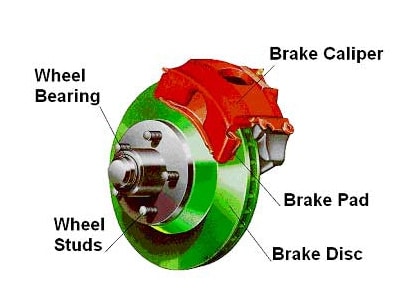
Just like your arm is connected to your shoulder, your vehicle’s brake system (which consists of rotors, drums, pads, shoes, calipers, wheel cylinders, hardware, brake fluid, etc) depends on each brake part to function properly & safely.


Just like the human body, brake parts wear out over time and when brakes wear out it’s time to service, repair, replace your brakes. Now let the learning begin.


Free Brake Check At Last Chance Auto Repair


Did you know?


When you press your vehicle’s brake pedal down, you are actually activating the brake cylinder that delivers the brake fluid to the brake calipers that then engage your brake pads. Which in return due to the hydraulic pressure created your brake pads then apply pressure to the brake rotors, creating the friction that is needed to bring your vehicle to a stop. This is basically how your brake system works hence brakes 101.


Your vehicle’s brake system is like a team that works together to perform one of if not the most important and critical functions of your vehicle, safe & on-point, stopping power.


What is a Last Chance Auto Repair brake inspection all about?

When it comes to our brake inspection you can count on our thoroughness and many years of proven service history to comprehensively analyze the situation in the most ethical and methodical way possible. After our brake inspection process is done we will inform you of the results, let you know the best plan of attack and then get on it accordingly.


A Last Chance Brake Inspection includes checking your brake:

  • Brake Pads and or Shoes
  • Brake Rotors and or Drums
  • Brake Calipers, Pistons, Slides
  • Brake Wheel Cylinders & Seals
  • Brake Hardware (springs & adjusters)
  • Brake Hoses, Lines, Proportioning Valve
  • Brake Parking Brake Cables & Shoes
  • Brake Fluid Condition & Level
  • Brake Wheel Bearings & Seals
  • Brake Master Cylinder & Booster


Due For Brakes Plainfield, Naperville, Bolingbrook, Romeoville, Illinois, Nearby, Near Me?

Schedule a brake inspection Plainfield, Naperville, Bolingbrook, Romeoville, nearby suburbs, Chicagoland Illinois at Last Chance Auto Repair today.


How often should I get my brakes inspected?

Visiting a doctor yearly for a physical is a smart choice, it’s also considered basic maintenance and helps reassure a long healthy life. Same goes for your brakes. A yearly brake inspection won’t just give you that reassured feeling of certainty, it also helps make sure that nothing stands in the way of your safe & on-point, stopping power and long healthy brake system life. Let our brake experts help you recognize the essential, smaller, cheaper fixes to maintain a strategic distance from the greater and progressively more costly ones.


Have you been experiencing any telltale warning symptoms?

  • Is your brake light on?
  • Are you leaking brake fluid?
  • Is your vehicle shaking/pulsating?
  • Is your brake fluid low, dirty or old?
  • Do you hear a grinding or squealing?
  • Have your wheels become extra dirty?
  • Does you vehicle pull to one side?
  • Do your brakes feel spongy?


If so, time is of the essence and a more immediate service is required. Call our team hence Last Chance Auto Repair aka Plainfield brake expert now to make an appointment.


What are brake pads?

In the simplest way possible, brake pads are a part of your vehicles brake system that when pressed against a rotating surface, uses pressure and friction to slow the rotation of that surface. There are several different types of brake pads available today: semi-metallic, low-metallic, ceramic and non-asbestos organic. Different vehicles, different braking applications equals different brake pad materials needed.


What is a rotor?

Brake rotors are an important aspect of your vehicles braking system. The brake rotor is directly connected to each wheel. Brake rotors (brake discs) are what your vehicle’s brake pads clamp down on to stop the wheels from spinning. For your vehicle to stop, the rotor must stop spinning. It stops spinning by friction created by the brake pad.


This stopping power friction creates a lot of heat. Which means rotors need to be made of material that will withstand this heat & powerful friction. The brake disc (rotor) is usually made of cast iron, but may in some cases be made of composites such as reinforced carbon, carbon or ceramic matrix composites. Ceramic composite rotors can actually retain up to 85% more heat vs. standard cast iron rotors and are the choice of individuals who crave the highest levels of performance. But more performance equals more money.


What is a caliper?

The brake caliper applies pressure which in return activates and squeezes the brake pads against the brake rotor surface to slow or stop the vehicle. The caliper requires brake fluid which comes from the master cylinder in order to create the hydraulic power needed to function properly. Brake calipers are an indispensable part of your vehicle’s brake system. Without them your vehicle’s ability to stop would be nonexistent.


What is a brake hose?

When you press down on your brake pedal, brake fluid travels throughout the brake system which includes the brake hoses, which in return feeds your calipers, which then activates your brake pads. Brake hoses are a flexible connection between your vehicle’s brake lines, calipers and wheel cylinders. They transport the hydraulic pressure (typically between 800-2000 psi) needed that clamps the brake pads to the brake rotors. Brake hoses are typically a multi-layered hose inside of a hose with a fabric insert in between. EPDM aka ethylene propylene diene terpolymer is the most common material used to in the manufacturing of hydraulic brake hoses where DOT 3 or DOT 4 brake fluid is used.


What exactly is brake fluid?

Brake fluid is a crucial element needed to make your brakes work properly. Brake fluid, also known as hydraulic fluid, is responsible for moving the various components of your vehicle’s braking system. When you press the brake pedal pressure is created in the brake fluid lines, this energy is distributed to your brake parts so they can do their job.


There are several types of brake fluid including DOT3, DOT4 & DOT5. DOT3 & DOT4 are glycol-based fluids, and DOT5 is silicon-based. The main difference is that DOT3 & DOT4 absorb water, while DOT5 doesn’t. Brake fluid must maintain specific properties. Our brakes can get hot, sometimes up to 1200 degrees, so brake fluid needs an extremely high boiling point. Additionally, in light of the fact that our vehicles experience seasons similarly as we do, it’s imperative to have a low freezing point as well. All while maintaining both extremes, brake fluid is designed not to damage any rubber components in the brake system.


Trying To Find Our Brake Shop From Downtown Naperville?

Tagged With: brake caliper, brake fluid, brake fluid exchange, brake inspection, brake pad replacement, brake repair, brake repair near me, brake repair plainfield, brake replacement, brake rotors, brake service, brakes, flush brake fluid, last chance auto repair, replace brake fluid

  • « Previous Page
  • 1
  • …
  • 15
  • 16
  • 17
  • 18
  • 19
  • …
  • 41
  • Next Page »

Reviews

[RICH_REVIEWS_SHOW category=”Auto Repair In Plainfield” num=”3″]
[RICH_REVIEWS_SNIPPET category=”all”]

Facebook Posts

Last Chance Auto Repair For Cars Trucks

3 weeks ago

Last Chance Auto Repair For Cars Trucks
⚡️ Battery light on? Headlights flickering? Random electrical glitches? Your car’s charging system might be warning you before it leaves you stranded.

We just published a simple, no-fluff guide that explains how your charging system works, what causes failures, and the top signs of alternator vs battery vs wiring issues—so you know what to do next (and don’t waste money guessing). ✅

📖 Read the blog here: lastchanceautorepair.blogspot.com/2026/03/Automotive-Charging-Systems-101-At-Last-Chance-Auto-Rep...

Learn more here: www.lastchanceautorepairs.com/alternator-repair-plainfield-naperville-bolingbrook-il/

Learn more here: www.lastchanceautorepairs.com/alternator-replacement-plainfield-il/

Need it tested the right way?
Last Chance Auto Repair For Cars Trucks
📍 12052 S Naper Plainfield Rd, Plainfield, IL 60585
📞 (815) 577-0327

#PlainfieldIL #AutoRepair #ChargingSystem #AlternatorRepair #CarMaintenance #CheckEngineLight #AlternatorReplacementPlainfieldIL
... See MoreSee Less

Call Now

Photo

View on Facebook
· Share

Share on Facebook Share on Twitter Share on Linked In Share by Email

Last Chance Auto Repair For Cars Trucks

4 weeks ago

Last Chance Auto Repair For Cars Trucks
Is your battery light on? ... See MoreSee Less

Post from Last Chance Auto Repair For Cars Trucks

youtube.com

Charging system repair in Plainfield, IL 🔋🚗—if your battery light pops on, the car cranks slow, headlights dim at idle, or your vehicle dies randomly, don’t ...
View on Facebook
· Share

Share on Facebook Share on Twitter Share on Linked In Share by Email

Last Chance Auto Repair For Cars Trucks

4 weeks ago

Last Chance Auto Repair For Cars Trucks
Charging system repair in Plainfield, IL 🔋🚗—if your battery light is on, headlights are dim, or your car won’t stay running, don’t wait until you’re stranded. At Last Chance Auto Repair, our family-owned shop has helped drivers across Plainfield and Chicagoland since 1978 with accurate diagnostics and repairs that fix the real problem (not just the symptom). How may we help you?

✅ Full charging system testing (battery, alternator, starter draw, cables/grounds, belts)
✅ Alternator repair & replacement
✅ Parasitic draw checks & electrical troubleshooting
✅ Honest answers, clear pricing, and fast turnarounds

Learn more + book your service 👇
🔗 Charging System Repair: www.lastchanceautorepairs.com/charging-system-repair/

🔗 Alternator Replacement: www.lastchanceautorepairs.com/alternator-replacement-plainfield-il/

🔗 Alternator Repair: www.lastchanceautorepairs.com/alternator-repair-plainfield-naperville-bolingbrook-il/

🏠 Last Chance Auto Repair For Cars Trucks
📍 12052 S Naper Plainfield Rd, Plainfield, IL 60585
📞 815-577-0327

#ChargingSystemRepair #PlainfieldIL #AlternatorRepair #AlternatorReplacement #BatteryLightOn #CarWontStart #ElectricalDiagnostics #AutoRepair #CarRepair #Chicagoland #NapervilleIL #BolingbrookIL #FamilyOwned #Since1978 #LastChanceAutoRepair
... See MoreSee Less

Call Now

Photo

View on Facebook
· Share

Share on Facebook Share on Twitter Share on Linked In Share by Email

Best Auto Repair Shop in Plainfield, IL

Recent Posts

  • Auto Repair Shop Advice for Maintaining Your Car Properly
  • Trusted Auto Repair Shop Near You for Fast Service
  • Affordable Auto Repair Shop Services
  • Reliable Auto Repair Shop for All Cars
  • Benefits of Regular Maintenance at an Auto Repair Shop

Contact Us

12052 S Naper Plainfield Rd
Plainfield, IL 60585
(815) 577-0327
info@lastchanceautorepairs.com

Contact Us

12052 S Naper Plainfield Rd
Plainfield, IL 60585
(815) 577-0327
info@lastchanceautorepairs.com

Service Area

Plainfield, 60585, 60544, 60586, Naperville, 60564, Bolingbrook, 60490, 60440, Romeoville, 60446, Will, Kendall, DuPage, Counties. Our auto repair shop in Plainfield, IL, has been serving the local area plus all surrounding Chicagoland since 1978.

Learn About Naperville, IL

Learn About Plainfield, Illinois

Specialties

• Computer Diagnostic • Brake Shop • Engine Replacement • Transmission Rebuild • Clutch Replacement • Differential Rebuild • Suspension Shop • Steering • Shocks & Struts • Heating & Cooling • Electrical • Exhaust Shop • Catalytic Converter Replacement • Alignment • Domestic & Foreign Vehicle Service • Auto Repair In Plainfield, IL • Auto Repair Shops Near Me • Towing Service Near Me

Last Chance Auto Repair In Plainfield, IL | Copyright © 1978 - 2026 | All Rights Reserved | (815) 577-0327