
Buying a used vehicle can be a smart financial decision, but it also comes with risks. Before completing the purchase, having an Auto Repair Shop perform a professional inspection is one of the best ways to avoid unexpected repairs and hidden mechanical problems. A trained technician can identify issues that may not be obvious during a test drive or visual inspection, helping buyers make informed decisions before spending their money.
Whether you’re purchasing from a private seller or a dealership, a pre-purchase inspection provides valuable insight into the vehicle’s condition. It can reveal current problems, signs of previous damage, and maintenance concerns that could affect safety or future repair costs. Understanding what an inspection includes can help you protect your investment and negotiate a better purchase price if necessary.
Why a Pre-Purchase Inspection Is Important
Purchasing a used vehicle without a professional inspection can be a costly mistake. While many sellers are honest about their vehicle’s condition, some issues remain hidden beneath the surface. Cosmetic appearance alone cannot determine whether a vehicle has been properly maintained or if it has underlying mechanical problems.
An experienced technician carefully evaluates the vehicle’s major systems before you commit to the purchase. They inspect the engine, transmission, suspension, steering, brakes, tires, electrical components, and more. This comprehensive review helps identify existing problems as well as potential future repairs.
A professional inspection also offers peace of mind. Rather than relying solely on the seller’s statements, buyers receive an unbiased evaluation from qualified automotive professionals. This information makes it easier to determine whether the asking price reflects the vehicle’s actual condition.
Many buyers discover expensive repairs only after purchasing a vehicle. A pre-purchase inspection significantly reduces this risk by uncovering concerns before ownership changes hands.
What Does an Auto Repair Shop Inspect?
A reputable Auto Repair Shop performs a detailed inspection that covers nearly every important component of the vehicle. The goal is to provide an accurate picture of its overall health and identify repairs that may soon become necessary.
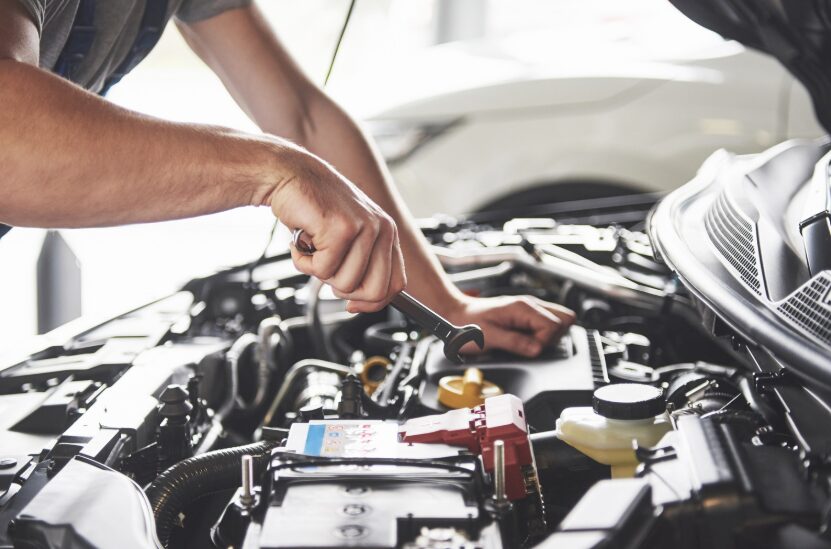
Technicians typically begin with the engine compartment, checking for leaks, worn belts, damaged hoses, and signs of poor maintenance. They evaluate fluid levels and inspect for contamination or unusual wear.
The transmission receives careful attention because repairs can be expensive. Technicians look for smooth shifting, leaks, and abnormal noises that could indicate internal damage.
Brake systems are thoroughly examined to ensure safe stopping performance. Suspension and steering components are inspected for wear that may affect handling.
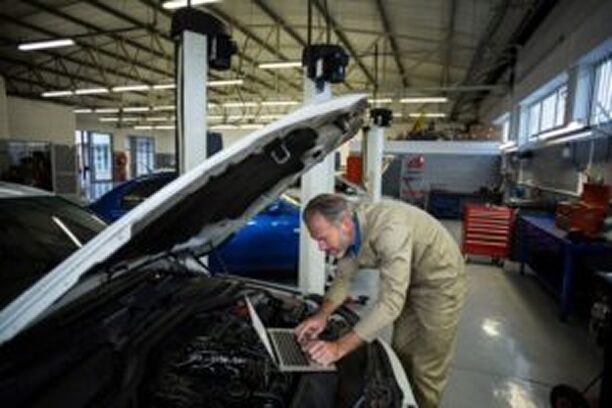
Electrical systems, battery performance, lighting, heating, cooling, and air conditioning are also evaluated. Many repair facilities use computerized diagnostic equipment to identify hidden trouble codes that may not trigger dashboard warning lights.
Finally, technicians inspect the tires, wheels, undercarriage, exhaust system, and structural components for signs of damage or excessive corrosion.
Signs That a Used Vehicle May Have Hidden Problems
Some used vehicles appear to be in excellent condition despite having significant mechanical issues. Professional technicians know where to look for warning signs that average buyers often overlook.
Uneven tire wear may indicate suspension problems or poor wheel alignment. Oil leaks underneath the vehicle can suggest engine or transmission concerns that require costly repairs.
Technicians also inspect for evidence of collision damage, including mismatched paint, poorly aligned body panels, and structural repairs. Water damage, rust, and corrosion are additional concerns that can reduce a vehicle’s lifespan.
Unusual engine noises, excessive exhaust smoke, delayed transmission shifts, or warning lights stored in the vehicle’s computer system may also reveal hidden issues.
Even if a vehicle drives well during a short test drive, underlying problems may still exist. A comprehensive inspection helps uncover these concerns before they become your responsibility.
How a Professional Inspection Can Save You Money
Many buyers hesitate to pay for a pre-purchase inspection because they want to save money. Ironically, skipping the inspection often leads to much higher repair expenses after the purchase.
Discovering worn brakes, failing suspension components, or transmission problems before buying allows you to negotiate a lower purchase price or walk away from the deal entirely. Spending a small amount on an inspection can prevent thousands of dollars in unexpected repairs.
A professional inspection also helps buyers prioritize future maintenance. Even if the vehicle is generally in good condition, technicians may identify services that should be completed soon, allowing new owners to budget accordingly.
Knowing the true condition of the vehicle improves confidence throughout the buying process. Instead of guessing about potential problems, buyers receive expert recommendations based on objective findings.
This proactive approach often results in long-term savings while reducing the likelihood of expensive surprises after the sale.
Common Mechanical Problems Found During Used Car Inspections
Every used vehicle has its own maintenance history, and inspections frequently uncover issues that owners may not even realize exist.
Brake pads and rotors commonly show excessive wear, particularly on higher-mileage vehicles. Suspension components such as ball joints, tie rods, and shocks may also require replacement after years of use.
Fluid leaks remain one of the most common discoveries. Engine oil, coolant, transmission fluid, and power steering leaks often develop gradually without obvious symptoms.
Battery health, alternator performance, and charging systems are also evaluated because electrical failures can leave drivers stranded unexpectedly.
Technicians frequently identify worn drive belts, aging hoses, dirty filters, failing wheel bearings, and tire problems during inspections. Catching these issues early allows buyers to make informed purchasing decisions while avoiding unexpected repair bills shortly after ownership begins.
Why Experience Matters During a Vehicle Inspection
Not all vehicle inspections are equal. Experienced automotive technicians possess the knowledge, training, and specialized equipment needed to accurately evaluate modern vehicles.
Years of working on various makes and models help technicians recognize early warning signs that less experienced inspectors may overlook. They understand common manufacturer issues, recall information, and maintenance patterns specific to different vehicles.
Modern vehicles also contain sophisticated computer systems that require professional diagnostic equipment. Reading stored fault codes provides valuable information about hidden problems that cannot be detected through visual inspection alone.
An experienced technician combines hands-on mechanical expertise with computerized diagnostics to produce a complete evaluation of the vehicle.
Choosing qualified professionals increases the likelihood of identifying potential concerns before they develop into expensive repairs.
Questions to Ask Before Buying a Used Vehicle
While a professional inspection provides valuable information, buyers should also ask important questions before completing the purchase.
Request maintenance records whenever possible. Regular oil changes, scheduled maintenance, and documented repairs indicate responsible ownership.
Ask whether the vehicle has been involved in any accidents or experienced flood damage. While vehicle history reports provide useful information, they may not include every incident.
Inquire about recent repairs, replacement parts, and any recurring mechanical issues. Understanding why the seller is selling the vehicle can also provide helpful insight.
After gathering this information, schedule a professional inspection before signing paperwork or exchanging money. Combining maintenance history with a technician’s evaluation offers the clearest understanding of the vehicle’s true condition.
Taking these steps helps buyers make confident decisions while reducing financial risk.
Choosing the Right Auto Repair Shop for a Used Car Inspection
Selecting the right Auto Repair Shop is just as important as scheduling the inspection itself. Buyers should look for repair facilities with experienced technicians, modern diagnostic equipment, and a reputation for honest evaluations.
A quality repair shop performs comprehensive inspections rather than quick visual checks. They carefully examine mechanical systems, identify safety concerns, and explain their findings in language customers can easily understand.
Transparent communication is equally important. The best repair facilities provide detailed inspection reports, discuss repair priorities, and answer questions without pressuring customers into unnecessary services.
Whether you’re purchasing your first used vehicle or replacing your current car, choosing an experienced repair facility helps ensure your investment is protected.
Working with trusted professionals gives buyers confidence that they understand exactly what they’re purchasing before making a final decision.
Conclusion
Having an Auto Repair Shop inspect a used vehicle before purchase is one of the smartest investments any buyer can make. A thorough inspection helps uncover hidden mechanical issues, verifies the vehicle’s condition, and provides valuable information for negotiating the purchase price. It also offers peace of mind by reducing the risk of unexpected repair costs after the sale. If you’re considering buying a used vehicle in Plainfield, trust Last Chance Auto Repair For Cars Trucks for a comprehensive pre-purchase inspection. Their experienced technicians are committed to helping customers make informed automotive decisions with honest evaluations and professional service. To schedule an inspection or learn more, call +1 815-577-0327 today and purchase your next used vehicle with confidence.
https://www.spreaker.com/episode/can-an-auto-repair-shop-inspect-a-used-car–74456939
https://www.podomatic.com/podcasts/emonmd9195podcast/episodes/2026-08-19T05_
https://stream.redcircle.com/episodes/4cc71e2f-13e8-4c35-8103-53e5876ebc51/stream.mp3
