Last Chance Auto Repair

Auto Repair Shop In Plainfield, IL

Auto Repair Shop In Plainfield, IL

Auto Repair In Plainfield At Its Finest. Serving Plainfield, Naperville, Bolingbrook, Romeoville, Chicagoland since 1978.

  • Services
        • Brake Repair
          • Brakes Near Me
          • Brakes Plainfield
          • Brakes Naperville
          • Brakes Bolingbrook
          • Brake Rotor Replacement
          • Save On Brakes
        • Emissions Repair
        • Asian Repair
        • European Repair
        • Classic & Vintage
        • Truck Repair
          • Medium Duty Repair
        • Fleet Repair
        • Charging System Repair
          • Alternator Repair
          • Alternator Replacement
        • A/C Repair
          • A/C Recharge Service
          • A/C Condenser Repair
          • A/C Compressor Repair
        • Cooling System
          • Radiator Services
          • Water Pump Replacement
          • Thermostat Replacement
        • Steering System
        • Auto Maintenance
          • Auto Tune-Up
          • Oil Change
          • Batteries
        • Engine Services
          • Starter Replacement
          • Timing Belt Replacement
          • Timing Chain Replacement
          • Cylinder Heads
          • Auto Machine Shop
        • Transmissions
          • Clutch Replacement
          • Torque Converter Replacement
        • Transfer Cases
        • Carburetors
        • Driveshaft Service
        • Diesel Repair
        • Electrical Repair
        • Suspension Repair
          • Shocks & Struts
          • Ball Joint Replacement
          • Alignment Shop
        • Exhaust Repair
          • Catalytic Converter
        • Differential Repair
        • Diagnostic
        • Auto Glass Repair
        • Auto Body Shop
        • Welding Service
        • Vehicle Inspection
        • Tire Replacement
  • Vehicles
          • DOMESTIC
          • Buick Repair
          • Cadillac Repair
          • Chevrolet Repair
          • Corvette Repair
          • Dodge Repair
          • Ford Repair
          • GMC Repair
          • Hummer Repair
          • Jeep Repair
          • RAM Repair
          • ASIAN
          • Acura Repair
          • Daewoo Repair
          • Honda Repair
          • Hyundai Repair
          • Infiniti Repair
          • Isuzu Repair
          • KIA Repair
          • Lexus Repair
          • Mazda Repair
          • Nissan Repair
          • Mitsubishi Repair
          • Scion Repair
          • Subaru Repair
          • Suzuki Repair
          • Toyota Repair
          • EUROPEAN
          • BMW Repair
          • Fiat Repair
          • Jaguar Repair
          • Land Rover Repair
          • Mercedes Benz Repair
          • MINI Cooper Repair
          • Porsche Repair
          • Saab Repair
          • Smart Repair
          • Volkswagen Repair
          • Volvo Repair
  • Towing
        • 24 Hour Towing
        • Towing Plainfield
        • Towing Bolingbrook
        • Roadside Assistance
        • Lockout Service
        • Jump Start Service
        • Mobile Battery Replacement
        • Toolbox Towing
  • Storage
    • Outdoor Car Storage
  • Coupons
        • Low Cost Guaranteed
        • Transmissions
        • Free Brake Inspection
        • Air Conditioning
        • Oil Change Specials
        • Free Computer Scan
        • Teacher Discount
        • Senior Citizen Discount
  • Blog
  • About Us
    • Reviews
    • Now Hiring
    • Mechanic Jobs
    • Brake Repair FAQs
  • Contact Us
  • Write A Review

Are Noises from Your Brakes a Sign You Need Urgent Brake Repair?

Are Noises from Your Brakes a Sign You Need Urgent Brake Repair?

The symphony of sounds emanating from your vehicle can be both reassuring and alarming. While the purr of a well-functioning engine is music to the ears, the sudden squeals, grinds, or clicks from your brakes can be disconcerting. These audible cues often serve as a crucial communication link between your car and you, signaling potential issues that require attention. 

In this comprehensive guide, we will explore the various noises your brakes may produce and decipher whether they are harbingers of impending doom or merely benign sounds that can be ignored. Understanding these auditory signals is vital for ensuring the safety and longevity of your vehicle.

Understanding Brake Noises

1. Squeaking Sounds: The Early Warning Signal

Brake RepairAs you press down on the brake pedal, a high-pitched symphony of squeaks or squeals may echo through your vehicle, and this is not merely an irritating noise but a crucial early warning signal. The source of this auditory alert lies in the thinning brake pads. Most modern cars incorporate wear indicators on the brake pads, designed to emit these distinctive sounds when the brake pads are approaching the end of their lifespan. 

Think of it as your car’s way of tapping you on the shoulder, saying, “It’s time for a brake pad replacement.” Paying heed to this warning is paramount, as neglecting it could lead to a domino effect of consequences, ranging from reduced braking efficiency to potential damage to other integral components within the braking system.

2. Grinding Noises: A Call for Immediate Action

If your brakes emit a grinding noise reminiscent of metal-on-metal contact, it’s not just a cause for concern; it’s a call for immediate action. This alarming sound typically indicates that your brake pads have worn down completely, leaving the metal backing plates in direct contact with the brake rotor. Driving with brakes in this condition not only compromises your ability to stop efficiently but also poses a significant risk of extensive damage to the brake rotor itself. 

The consequences of neglecting this warning extend beyond mere inconvenience; it could lead to a far more expensive repair job. Addressing grinding noises promptly is not just about maintaining your vehicle; it’s about ensuring your safety on the road.

3. Clicking Sounds: Potential Caliper Issues

As you engage the brakes, the emergence of clicking or ticking sounds could be indicative of underlying caliper issues. Brake calipers play a pivotal role in the braking system, responsible for applying pressure to the brake pads against the rotor. Clicking sounds may signify a range of potential problems, including a loose caliper, worn-out hardware, or a sticking caliper. 

These issues, if left unattended, can lead to more severe complications within the braking system. Recognizing and addressing clicking sounds promptly is essential to prevent further damage and maintain the overall integrity of your vehicle’s braking performance.

4. Rumbling or Vibrating: Warped Brake Rotors

If your braking experience is accompanied by a rhythmic rumbling or vibrating sensation, it’s likely a sign of warped brake rotors. This phenomenon arises from the excessive heat buildup during braking, causing the rotors to lose their optimal shape. Ignoring these signs of rotor warping can have repercussions on braking performance, leading to compromised efficiency and, eventually, increased repair costs. 

Resurfacing or outright replacement of the brake rotors becomes necessary to restore the braking system’s optimal functionality and ensure a smooth, safe driving experience. In this instance, prevention is not only more cost-effective but also crucial for maintaining the longevity of your vehicle’s braking components.

Why Immediate Brake Repair is Crucial

Enhanced Driving Experience

Immediate brake repair contributes to a smoother and more enjoyable driving experience. Responsive brakes not only ensure safety but also enhance the overall comfort of your ride. When your braking system is in optimal condition, you can confidently navigate various driving conditions, from city traffic to challenging terrains, without the added stress of compromised braking performance.

Brake Repair

Preserving Resale Value

Regular brake maintenance and immediate repair when issues arise can positively impact the resale value of your vehicle. A well-maintained braking system indicates to potential buyers that the car has been cared for and is in good condition. Conversely, neglecting brake issues could raise concerns about the overall upkeep of the vehicle, potentially reducing its resale value.

Environmental Impact

Proactively addressing brake issues contributes to a more environmentally friendly driving experience. Well-maintained brakes are more efficient, resulting in less wear and tear on brake components. This not only reduces the need for frequent replacements but also minimizes the environmental impact associated with manufacturing and disposing of brake parts.

Legal Compliance

Ensuring the proper functioning of your vehicle’s brakes is not just a matter of personal safety but also a legal requirement. Many jurisdictions have regulations regarding the roadworthiness of vehicles, and a faulty braking system can lead to fines or even vehicle impoundment. By prioritizing immediate brake repair, you not only adhere to legal requirements but also contribute to a safer road environment for everyone.

Peace of Mind

Timely brake repair provides peace of mind for the driver. Knowing that your vehicle’s braking system is in optimal condition instills confidence and reduces anxiety during your travels. This peace of mind extends beyond your safety, affecting your overall driving experience and making every journey a more relaxed and enjoyable one.

Conclusion

In conclusion, the noises emanating from your brakes are not mere background disturbances; they are your vehicle’s way of communicating potential issues that require immediate attention. Whether it’s the high-pitched squeak signaling worn brake pads or the ominous grind of metal-on-metal, ignoring these auditory warnings can compromise your safety and result in more extensive and costly repairs down the road. 

Prioritizing timely brake repair ensures not only the efficient functioning of your vehicle but, more importantly, the well-being of everyone on the road. So, the next time you hear that telltale noise when you apply the brakes, don’t just turn up the radio – turn your attention to the urgent need for brake maintenance.


 

Are Extended Warranties Worth Considering at Your Preferred Auto Repair Shop?

Are Extended Warranties Worth Considering at Your Preferred Auto Repair Shop?

Selecting the ideal auto repair shop holds immense importance for vehicle owners, as unforeseen breakdowns can pose significant financial challenges. Extended warranties, often presented by auto repair shops, emerge as a potential solution to alleviate this burden. 

These warranties boast additional coverage beyond the standard warranty, aiming to offer assurance and financial protection. This exploration delves into the intricate realm of extended warranties, meticulously scrutinizing their advantages and disadvantages, elucidating their functioning, and addressing the fundamental question of their true worth at your chosen auto repair shop. 

By navigating through the nuances of extended warranties, this examination seeks to empower vehicle owners with the knowledge necessary to make informed decisions and secure their automotive investments with confidence.

Understanding Extended Warranties

An extended warranty is essentially a service contract that covers the costs of specified repairs and services beyond the original manufacturer’s warranty period. These warranties can vary widely in terms of coverage, duration, and cost, making it essential for consumers to carefully evaluate the details before committing.

 Auto Repair ShopExtended warranties typically cover repairs to major components such as the engine, transmission, and electrical systems. Some plans also include additional perks like roadside assistance, rental car coverage, and trip interruption benefits. However, as with any financial decision, it’s crucial to scrutinize the terms and conditions to ensure you get the coverage you need.

The Pros of Extended Warranties

  • Financial Security: Extended warranties offer financial security by covering the cost of unexpected repairs. This can be especially beneficial for high-end or luxury vehicles, where repair costs can be exorbitant.
  • Peace of Mind: Knowing that you have extended coverage can provide peace of mind, reducing stress and anxiety associated with potential future repairs. This is particularly relevant for individuals who rely heavily on their vehicles for daily commuting or business purposes.
  • Customizable Coverage: Many auto repair shops offer customizable extended warranty plans, allowing you to tailor the coverage to your specific needs. This flexibility ensures that you are not paying for coverage you don’t need while still protecting vital components.
  • Transferable:  In some cases, extended warranties are transferable to subsequent owners, potentially increasing the resale value of your vehicle. This can be an attractive feature for those considering selling their cars in the future.

The Cons of Extended Warranties

  • Cost: One of the primary drawbacks of extended warranties is the cost. These warranties can be expensive, and the coverage may not always justify the price. It’s essential to weigh the potential repair costs against the warranty cost to determine its value.
  • Overlapping Coverage: In some instances, extended warranties may overlap with the manufacturer’s warranty. This means that you could be paying for coverage you already have, making the extended warranty redundant during the initial years of ownership.
  • Claim Denials: Extended warranty providers may impose specific conditions and limitations, leading to claim denials if the terms are not met. Understanding the fine print is crucial to avoid unexpected disappointments when filing a claim.
  • High Repair Costs Not Covered: Certain high-cost repairs may not be covered by extended warranties. It’s essential to carefully review the terms and conditions to identify any potential gaps in coverage.

Factors Influencing the Worth of Extended Warranties

Vehicle Age and Mileage

The age and mileage of your vehicle play a crucial role in determining the worth of an extended warranty. Older vehicles with higher mileage are more prone to mechanical issues, making an extended warranty a more attractive option. On the other hand, newer vehicles may still be covered by the manufacturer’s warranty, making an extended warranty less necessary in the short term.

 Auto Repair Shop

Driving Habits

Your driving habits can also influence the worth of an extended warranty. If you frequently embark on long journeys or drive in challenging conditions, the likelihood of encountering mechanical issues increases. In such cases, the added protection of an extended warranty may be justified.

Manufacturer Reliability:

The reliability of the vehicle’s manufacturer is a crucial factor. If your car is from a brand known for its dependability and low repair costs, the value of an extended warranty may be diminished. Conversely, vehicles from manufacturers with a history of mechanical issues may benefit more from extended coverage.

Budget Considerations:

Your budget and financial situation are significant determinants in the decision to invest in an extended warranty. While the upfront cost may seem daunting, it’s essential to weigh this against the potential savings on future repairs. Carefully assess your budget and evaluate whether the peace of mind provided by an extended warranty is worth the initial investment.

Ownership Plans

When contemplating long-term vehicle ownership, factor in the potential for unforeseen repairs. An extended warranty becomes a valuable investment, ensuring sustained coverage and peace of mind throughout your extended ownership period. Carefully assess your future with the vehicle to determine the optimal level of protection and financial security.

Shop Reputation

Delve into the reputation of your chosen auto repair shop. A history of fairness and transparent practices speaks volumes about their reliability. Opting for an extended warranty from such a reputable establishment ensures trustworthiness, providing confidence that your investment in additional coverage aligns with a commitment to integrity and customer satisfaction.

Conclusion

In the complex landscape of auto repairs, the decision to opt for an extended warranty at your preferred auto repair shop is not a one-size-fits-all choice. It requires careful consideration of various factors, including your vehicle’s age, mileage, reliability, and your budget constraints. While extended warranties can offer financial security, comprehensive coverage, and peace of mind, they are not without drawbacks, such as upfront costs and potential claim denials.

Ultimately, the worth of an extended warranty depends on your individual circumstances and priorities. Before making a decision, thoroughly research the terms and conditions of available warranties, assess your vehicle’s specific needs, and weigh the costs against the potential benefits. By taking a proactive and informed approach, you can make a choice that aligns with your preferences and provides the level of protection you desire for your automotive investment.


Differential Replacement vs Repair vs Rebuild: Navigating Your Options

Differential Replacement vs Repair vs Rebuild: Navigating Your Options


When it comes to differential replacement, repair, and rebuilding, understanding the options is crucial for making informed decisions that will best suit your needs. In this guide, we’ll delve into the nuances of each service – from basic repairs to comprehensive rebuilds – helping you choose the right path for your specific needs.


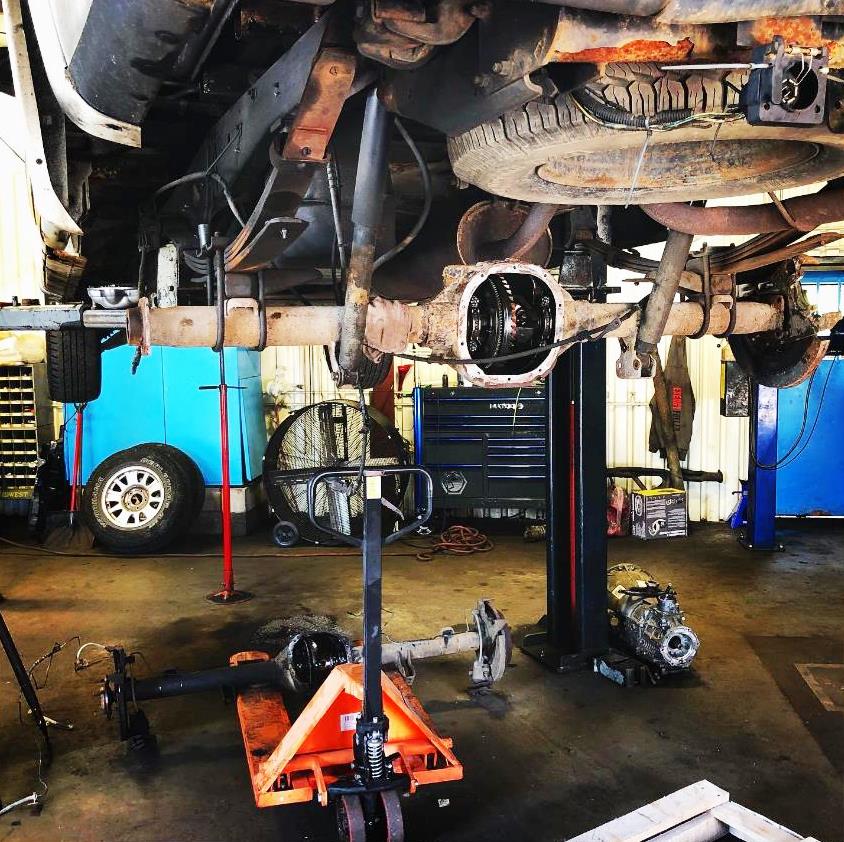
Differential Replacement, Repair, Rebuild At Last Chance Auto Repair

Differential Replacement In Plainfield, IL


At Last Chance Auto Repair in Plainfield, IL, we take great pride in being the Greater Chicago Area go-to differential expert. As the go-to destination for all your differential service needs since 1978.


Our differential replacement, repair, rebuild service shop has built a reputation that is unmatched. We would love to share our knowledge with you, answer any and all of your questions, and do whatever we need to do to gain customer and or a friend. How can our differential shop help you?


The intricate dance of components beneath your vehicle is what allows it to glide smoothly down the road. One crucial partner in this mechanical ballet is the differential, responsible for distributing power evenly to the wheels. In this comprehensive guide, we’ll explore the world of differential replacement, repair, and rebuild, shedding light on the best choices for maintaining a reliable and efficient vehicle.


What Is A Differential?

Do you know what a differential is?


Situated in the drivetrain, the differential is responsible for distributing power evenly to the wheels, enabling them to rotate at different speeds. This function is particularly crucial in vehicles with rear-wheel or all-wheel drive, ensuring stability, optimal performance, and preventing unnecessary wear on tires.


Importance of the Differential System

The differential plays a pivotal role in maintaining stability and preventing tire wear. Understanding its functions is key to appreciating the significance of timely maintenance and repairs.


The differential system is a mechanical marvel that significantly contributes to the overall functionality of your vehicle. Its primary purpose is to allow the wheels to rotate at varying speeds while receiving power from the engine.


This becomes particularly important when making turns, as the outer wheel must cover more ground than the inner one. Without a properly functioning differential, the wheels would bind, leading to uneven rotation and potential damage to the drivetrain.


Differential Replacement

A. Signs Indicating the Need for Replacement

Is your differential in need of replacement? Unusual noises, fluid leaks, or erratic performance are all red flags signaling a potential need for a differential replacement. These signs don’t necessarily always mean that your vehicle will require a differential replacement though.


If you find yourself questioning whether your vehicle requires a differential replacement, 1st off you should schedule an appointment with a differential shop like Last Chance Auto Repair in Plainfield, IL, before it might even reach that level. 2nd, pay attention, there are several key signs to look out for such as any unusual noises emanating from the drivetrain, such as whining, clunking, or grinding sounds. These can be indicative of worn-out gears or bearings within the differential.


Another red flag is the presence of fluid leaks beneath your vehicle. The differential relies on lubricating fluid to function smoothly, and leaks can signal a breach in the system. In addition, if you notice erratic performance, especially during turns, it might be a symptom of a failing differential. Differential replacements can in most cases be prevented with regular service.


B. Benefits of Opting for a Replacement

Installing a new differential can enhance overall drivability, improve fuel efficiency, and provide peace of mind regarding your vehicle’s performance. If and only if your differential is truly in need of a replacement.


C. Cost Considerations

While replacements may seem costly initially, we’ll explore how the long-term benefits outweigh the investment.


When contemplating a differential replacement, understanding the cost considerations is paramount to making informed decisions about your vehicle’s maintenance. Several factors influence the overall cost of a differential replacement. Firstly, the type of vehicle plays a crucial role, as different makes and models have varying specifications and requirements for replacement parts.


The quality of replacement components is another key determinant—opting for genuine OEM (Original Equipment Manufacturer) parts may incur higher costs but often ensures compatibility and longevity. Labor charges, dependent on the expertise and location of the repair shop, contribute significantly to the overall expense. Additionally, the complexity of the replacement process, including any additional components that may need attention, impacts the final cost. Seeking estimates from reputable differential shops, such as Last Chance Auto Repair can provide clarity on specific costs tailored to your vehicle’s needs, allowing for a well-informed and budget-conscious decision.


Differential Repair

A. Common Issues Requiring Repair

From worn-out gears to damaged seals, we’ll outline common problems that may necessitate differential repairs.


When it comes to your vehicle’s differential, certain issues may arise that necessitate timely and effective repair. Being proactive in addressing these problems can prevent further damage, ensuring the longevity and optimal performance of your drivetrain. Here are some common issues that may require differential repair:


  • Leaking Differential Fluid: One of the most prevalent issues is a leak in the differential, leading to a loss of lubricating fluid. This can result from damaged seals or gaskets, causing insufficient lubrication and potential damage to the gears.


  • Worn-out Gears: Over time, the gears within the differential may experience wear and tear. This can manifest as grinding noises during operation, indicating that the gears are no longer meshing smoothly.


  • Damaged Bearings: Bearings play a crucial role in supporting and facilitating the rotation of gears within the differential. When bearings wear out, they can cause excessive play and noise, signaling the need for repair.


  • Seal Failures: Seals are essential for maintaining a proper seal in the differential housing, preventing fluid leaks. When seals fail, it can lead to a loss of lubrication and, subsequently, damage to internal components.


  • Vibration or Shuddering: Experiencing vibrations or shuddering sensations, especially during turns, may indicate issues with the differential. This could be attributed to imbalances or misalignments within the system.


  • Unusual Noises: Any unusual noises emanating from the differential, such as clunking, whining, or clicking sounds, should be investigated promptly. These noises can be indicative of various issues, including worn-out components or misalignment.


  • Uneven Tire Wear: A malfunctioning differential can result in uneven distribution of power to the wheels, leading to irregular tire wear. Monitoring tire wear patterns can help identify potential issues with the differential.


B. When to Seek Professional Help

While DIY options do exist, most differential issues require professional attention by a trained and educated differential technician. If you encounter complex problems, lack the expertise, or are unsure about the nature of the issue, it’s advisable to seek the services of a qualified automotive professional.


Last Chance Auto Repair in Plainfield, IL, with its decades of experience, can diagnose and address differential issues effectively, ensuring your vehicle’s continued reliability on the road.


C. Cost Factors Associated with Repairs

Understanding the cost implications of differential repairs and services helps in budgeting and making informed decisions about your vehicle’s differential needs. Here are key considerations when it comes to the cost of differential repairs:

  • Nature and Severity of the Issue: The specific nature and severity of the differential problem greatly influence the repair costs. Minor issues such as seal replacements or fluid changes typically incur lower costs compared to more complex problems like bearing or gear replacements.


  • Labor Costs: The labor involved in differential repairs contributes significantly to the overall expense. Skilled technicians with experience in differential systems may charge higher labor rates, but their expertise can ensure efficient and effective repairs.


  • Replacement Parts: The type and quality of replacement parts used in the repair process directly impact costs. Genuine OEM (Original Equipment Manufacturer) parts may be more expensive than aftermarket alternatives, but they often provide better compatibility and longevity.


  • Shop Reputation and Location: The reputation of the repair shop and its location can influence costs. Established and reputable shops may charge higher rates for their services, reflecting the quality of work and customer satisfaction. Additionally, labor rates can vary based on the geographical location of the repair facility.


  • Additional Components: In some cases, additional components may need to be replaced or serviced alongside the differential repair. This could include related parts like axles, CV joints, or differential mounts, adding to the overall cost.


  • DIY vs. Professional Repairs: Opting for a do-it-yourself (DIY) approach may seem cost-effective initially, but it’s essential to consider your expertise and the potential for errors. Professional repairs, while incurring labor costs, ensure accuracy and reliability, preventing future issues and additional expenses.


  • Warranty Coverage: Some repair shops offer warranty coverage on their services and replacement parts. While this may increase the upfront cost slightly, it provides peace of mind knowing that you’re protected in case of unforeseen issues shortly after the repair.


  • Diagnostic Fees: Before the actual repair process begins, diagnostic fees may apply to identify the root cause of the differential problem. While these fees are common, they contribute to the overall cost of the repair service.


Differential Service

A. Regular Maintenance for Differentials

Regular maintenance is the key to ensuring the longevity and optimal performance of your vehicle’s differential. Scheduled differential service involves inspecting and, if necessary, replacing the lubricating fluid. Differential fluid plays a critical role in reducing friction, dissipating heat, and preventing premature wear on gears and bearings.


During a routine service, a professional differential shop such as Last Chance Auto Repair in Plainfield, IL, can assess the fluid’s condition, checking for contaminants and signs of degradation. Additionally, they may inspect seals, gaskets, and other components for wear and tear, addressing potential issues before they escalate. Engaging in regular differential maintenance not only enhances the overall efficiency of your vehicle but also contributes to a smoother driving experience and mitigates the risk of costly repairs in the future.


B. Importance of Scheduled Services

The significance of adhering to scheduled differential services cannot be overstated when it comes to preserving the health of your vehicle. Routine maintenance acts as a proactive measure, allowing professionals to assess the condition of crucial components within the differential system. At reputable establishments like Last Chance Auto Repair, differential services go far beyond a mere fluid change.


During the scheduled differential service, skilled technicians meticulously examine the quality of the differential fluid, scrutinizing it for contaminants and indications of wear. Furthermore, a comprehensive inspection encompasses seals, gaskets, and other integral parts, providing a comprehensive overview of the differential’s overall health. By engaging in regular differential maintenance, drivers not only optimize the efficiency of their vehicles but also establish a preventive barrier against potential issues, ultimately steering clear of more extensive and costly repairs down the road.


C. DIY Service Tips

Simple tips for vehicle owners who prefer a hands-on approach to differential maintenance.


Embarking on a DIY (do-it-yourself) differential service can be a rewarding endeavor for enthusiasts keen on maintaining their vehicle’s health. Here are some tips to guide you through the process:

  • Gather the Right Tools and Materials: Ensure you have the necessary tools, including a jack, jack stands, a drain pan, a socket set, and the appropriate wrenches. Additionally, obtain the correct differential fluid specified in your vehicle’s manual.


  • Safety First: Prioritize safety by using jack stands to secure your vehicle during the service. Wear protective gear, including gloves and safety glasses, to shield yourself from potential splashes or spills.


  • Refer to Your Vehicle Manual: Consult your vehicle’s manual for specific guidelines on the type of differential fluid required, the service intervals, and the recommended procedures for draining and refilling.


  • Locate the Differential: Identify the location of your vehicle’s differential. It is typically situated at the rear or front axle, depending on whether your vehicle is rear-wheel or front-wheel drive.


  • Drain the Old Fluid: Carefully remove the differential fluid drain plug and allow the old fluid to drain into the pan. Dispose of the used fluid properly, adhering to environmental regulations.


  • Inspect for Contaminants: Examine the drained fluid for contaminants such as metal shavings or debris. An excessive amount of debris may indicate underlying issues that require professional attention.


  • Replace the Differential Fluid: Refill the differential with the appropriate amount and type of fluid as specified in your vehicle’s manual. Use a funnel to avoid spills.


  • Tighten Everything Securely: Ensure all plugs and bolts are tightened securely to prevent leaks. Double-check your work to guarantee the integrity of the differential system.


  • Dispose of Used Fluid Responsibly: Properly dispose of the used differential fluid at a designated recycling facility. Many auto parts stores also accept used fluids for recycling.


Differential Rebuild

A. Understanding the Rebuilding Process

Is your vehicle in need of a differential rebuild? Differential rebuilding involves disassembling the entire differential unit, inspecting each component thoroughly, and replacing or refurbishing parts as needed to restore optimal functionality and performance. The differential rebuild process typically unfolds as follows:

  • Initial Assessment: Skilled technicians begin by evaluating the differential’s overall condition. They inspect gears, bearings, seals, and other components to identify signs of wear, damage, or misalignment.


  • Disassembly: The differential is carefully disassembled, separating components for individual examination. Gears and bearings are removed, and the housing is thoroughly cleaned to assess its integrity.


  • Component Inspection: Each component undergoes a meticulous inspection. Gears are scrutinized for wear patterns, chipping, or damage. Bearings are checked for smooth rotation, and seals are examined for any signs of leaks or degradation.


  • Replacement or Refurbishment: Components showing wear or damage are either replaced with new parts or refurbished to meet manufacturer specifications. This may include honing and polishing gears, regrinding surfaces, or replacing bearings and seals.


  • Housing Examination: The housing itself is carefully examined for cracks, warping, or any structural issues. If the housing is compromised, technicians may recommend replacement or, in some cases, professional welding and reshaping.


  • Precision Assembly: During reassembly, technicians ensure precise alignment of gears and bearings. Proper shimming is crucial to maintain correct gear meshing and reduce friction, contributing to smoother operation.


  • Lubrication: Before final assembly, the rebuilt components are properly lubricated with the recommended differential fluid. Adequate lubrication is crucial for reducing friction, dissipating heat, and ensuring the longevity of the rebuilt differential.


  • Quality Checks: Rigorous quality checks are conducted to verify the accuracy of the rebuilt differential. This may involve spin tests to assess smooth rotation, gear mesh pattern checks, and ensuring that all components are securely fastened.


  • Installation: The rebuilt differential is then carefully installed back into the vehicle, ensuring proper alignment and torque specifications. Technicians may also recommend replacing related components, such as CV joints or axles, to ensure a comprehensive drivetrain solution.


  • Test Drive: A test drive is often the final step to evaluate the rebuilt differential in real-world conditions. Technicians assess its performance, listening for any unusual noises and ensuring that the vehicle handles turns and accelerates smoothly.


B. Signs a Differential Needs Rebuilding

Identifying symptoms that indicate your differential might be a candidate for a rebuild can make the difference of paying a lot or a lot less. Does your differential need rebuilding? Several indicators suggest impending issues with the differential, signaling the need for timely attention and potential rebuilding.


Here are common signs to be aware of:

  • Unusual Noises: If you notice strange noises emanating from the differential, such as whining, clunking, or grinding sounds during operation, it could indicate worn-out gears, bearings, or other internal components. These noises often intensify during turns.


  • Fluid Leaks: Visible fluid leaks around the differential housing are a clear sign of trouble. Leaking differential fluid can lead to inadequate lubrication, causing increased friction and potential damage to gears and bearings.


  • Vibration or Shuddering: Experiencing vibrations or shuddering sensations, particularly during turns or when accelerating, may indicate imbalances or misalignments within the differential. This can affect the overall drivability of the vehicle.


  • Uneven Tire Wear: A malfunctioning differential can result in uneven distribution of power to the wheels, leading to irregular tire wear. Monitoring tire wear patterns can help identify potential issues with the differential.


  • Difficulty Turning: If you find it challenging to steer or experience resistance while turning, it could be a sign of differential issues. This may indicate internal components are not functioning correctly, affecting the differential’s ability to allow smooth wheel rotation during turns.


  • Fluid Contamination: Inspecting the color and condition of the differential fluid can provide valuable insights. Contaminated or degraded fluid, often with a burnt odor or metal particles, suggests internal wear and tear, necessitating attention.


  • Excessive Play or Movement: When manually rotating the wheels, excessive play or movement in the differential indicates a loss of precision and alignment. This can result from worn-out gears or bearings, requiring a thorough assessment.


  • Check Engine Light: In modern vehicles, the check engine light may illuminate if the onboard computer detects issues with the differential. While it doesn’t pinpoint the problem, it serves as an early warning to have the differential inspected.


  • Slipping or Jerking Sensations: If you experience slipping or jerking sensations, especially when accelerating or decelerating, it may be indicative of internal issues within the differential affecting power distribution.


  • Increased Noise on Turns: A differential in need of rebuilding may produce more pronounced noises during turns, as the strain on compromised components becomes more apparent.


C. Pros and Cons of Choosing a Rebuild

Are you trying to balance the advantages and disadvantages of a differential rebuild?


Pros:

  • Cost-Effective Solution: Rebuilding the differential is often more cost-effective than opting for a complete replacement. It allows you to address specific issues within the differential without incurring the expenses associated with entirely new components.


  • Preserves Original Components: Rebuilding allows you to retain the original differential housing and other components that are still in good condition. This can be beneficial if you have a preference for preserving the authenticity of your vehicle.


  • Tailored to Your Vehicle: A differential rebuild is a customized solution that takes into account the specific needs of your vehicle. Technicians can address individual components, ensuring compatibility with the make and model.


  • Environmental Impact: Choosing to rebuild is often more environmentally friendly than opting for a complete replacement. It reduces the need for manufacturing new components and minimizes the waste associated with discarding the entire differential.


  • Preserves Historical or Rare Vehicles: For vintage or rare vehicles, finding replacement differentials can be challenging. Rebuilding allows you to keep the original components intact, maintaining the historical or collector’s value of the vehicle.


Cons:

  • Labor-Intensive Process: Differential rebuilding is a labor-intensive process that involves disassembling, inspecting, and reassembling various components. This can result in higher labor costs compared to simpler repair options.


  • Time-Consuming: Rebuilding takes more time than some other maintenance options, as technicians meticulously inspect and refurbish individual parts. If you need a quick solution, a rebuild may not be the most time-efficient choice.


  • Potential for Hidden Issues: During the rebuilding process, technicians may encounter hidden or unforeseen issues that could increase the overall cost. This uncertainty can make it challenging to estimate the final expenses accurately.


  • Limited Warranty Coverage: While reputable shops may offer warranties on the rebuilt components, the coverage might not be as extensive as that provided with entirely new differentials. This could pose a risk if unforeseen issues arise after the rebuild.


  • May Not Address All Issues: In some cases, a rebuild may not address all potential issues within the differential. If certain components are too damaged or worn, a complete replacement might be a more suitable long-term solution.


Choosing a Differential Shop Near You

A. Factors to Consider When Selecting a Shop

Selecting the right differential shop is a crucial decision to ensure the proper maintenance and functionality of your vehicle’s drivetrain. Several factors should be considered when choosing a differential shop:

  • Experience and Expertise: Look for a shop with experienced technicians who specialize in differential systems. A long-standing history and a team with expertise in drivetrain components can instill confidence in their ability to diagnose and address issues accurately.


  • Reputation: Investigate the shop’s reputation through online reviews, testimonials, and recommendations from friends or family. A positive reputation is a strong indicator of reliable service and customer satisfaction.


  • Certifications and Training: Ensure that the technicians at the shop are certified and receive regular training. Certifications from organizations such as the Automotive Service Excellence (ASE) demonstrate a commitment to professionalism and expertise in automotive repair.


  • Facility and Equipment: Visit the shop and assess its facilities and equipment. A well-equipped and organized facility with modern diagnostic tools is likely to provide efficient and effective differential services.


  • Range of Services: Choose a shop that offers a comprehensive range of differential services, including rebuilding, repairs, fluid changes, and replacements. A shop that can address various differential issues ensures that all your drivetrain needs can be met in one place.


  • Warranty Coverage: Inquire about the warranty coverage offered by the shop. A reputable differential shop stands behind its work with a reasonable warranty, providing peace of mind in case any issues arise shortly after the service.


  • Customer Service: Evaluate the level of customer service provided by the shop. Friendly and communicative staff who are willing to explain the repair process and answer your questions contribute to a positive customer experience.


  • Cost Transparency: Choose a shop that provides clear and transparent cost estimates before beginning any work. A trustworthy shop will communicate the expected expenses for parts, labor, and any additional services.


  • Turnaround Time: Consider the turnaround time for differential services. While quality is paramount, a shop that can efficiently diagnose and address issues ensures that you get your vehicle back on the road promptly.


  • Location and Convenience: Select a shop that is conveniently located, making it easier for you to drop off and pick up your vehicle. Additionally, inquire about available amenities such as shuttle services or loaner cars for added convenience.


  • Referrals and Recommendations: Seek referrals from friends, family, or colleagues who have had positive experiences with differential shops. Personal recommendations can provide valuable insights into the reliability and quality of service.


  • Insurance and Licensing: Ensure that the shop is properly licensed and carries insurance. This ensures that the shop operates within legal and ethical standards and provides coverage in case of any unforeseen issues.


B. Customer Reviews and Recommendations

Harness the power of customer experiences to make an informed decision. Doing your homework is a lesson learned early in life. Homework and due diligence is something that should be done throughout ones life. Reading reviews, ratings, testimonials, is a great place to start when trying to make a decision on what your best move will be.


Differential Replacement vs Repair vs Rebuild

In the dynamic realm of differential maintenance, the choice between replacement, repair, or rebuild is pivotal for the longevity and performance of your vehicle’s drivetrain. Each option has its merits, with replacement offering a fresh start, repair addressing specific issues, and rebuild allowing for meticulous refurbishment.


The decision ultimately hinges on factors such as the severity of the problem, cost considerations, and the desire to preserve original components. Whichever path you choose, enlisting the services of a trusted differential professional, like Last Chance Auto Repair in Plainfield, IL, ensures that your decision aligns with your vehicle’s specific needs


Differential Service FAQs

1. What is a differential, and why is it important?

  • Answer: A differential is a critical component in your vehicle that allows wheels to rotate at different speeds. It’s crucial for smooth turns and optimal vehicle performance.


2. How can I tell if my differential needs attention?

  • Answer: Signs include strange noises (whining or clunking), vibrations, difficulty turning, or uneven tire wear. If you notice any of these symptoms, it’s time for an inspection.


3. What’s the difference between differential replacement, repair, and rebuild?

  • Answer:
    • Replacement: Involves swapping the entire differential unit with a new one.
    • Repair: Addresses specific issues without replacing the entire unit, such as fixing leaks or replacing damaged components.
    • Rebuild: Comprehensive restoration of the differential, including replacing worn parts and ensuring optimal functionality.


4. How do I know if I need a repair or a replacement?

  • Answer: Generally, minor issues like leaks or damaged components can be repaired, while extensive damage or worn-out differentials may require a replacement.


5. What sets Last Chance Auto Repair apart in differential services?

  • Answer: We specialize in differential services, providing expert diagnostics, top-quality repairs, and efficient replacements/rebuilds. Our team is highly trained and committed to delivering the best results.


6. How long does a differential replacement or rebuild take?

  • Answer: The time-frame varies based on the extent of the work needed. We strive for efficiency without compromising quality. Our team will provide a detailed estimate based on your specific situation.


7. Are there warranties on your differential services?

  • Answer: Yes, we stand behind our work. Depending on the service performed, we offer warranties to ensure your satisfaction and peace of mind.


8. How often should I have my differential inspected?

  • Answer: Regular inspections, ideally during routine maintenance, can catch issues early. If you notice any symptoms, don’t hesitate to bring your vehicle in for an inspection.


9. Can I drive with a damaged differential?

  • Answer: It’s not advisable, as driving with a compromised differential can lead to more extensive and costly damage. If you suspect an issue, have it inspected promptly.


10. What maintenance can I do to prevent differential issues?

  • Answer: Regular fluid checks and changes, as well as addressing any unusual noises promptly, can help prevent major differential issues. Following your vehicle’s maintenance schedule is crucial.


Differential Shop – Last Chance Auto Repair In Plainfield, IL


Differential Replacement vs Repair vs Rebuild Resources: Differential Replacement Shop | Differential (Mechanical Device) | Differential Repair On YouTube

Tagged With: differential fluid replacement, differential rebuild, differential repair, differential repair Plainfield IL, Differential Replacement, differential replacement near me, differential service, differential shop, differential shop Plainfield IL

  • « Previous Page
  • 1
  • …
  • 34
  • 35
  • 36
  • 37
  • 38
  • …
  • 72
  • Next Page »

Reviews

[RICH_REVIEWS_SHOW category=”Auto Repair In Plainfield” num=”3″]
[RICH_REVIEWS_SNIPPET category=”all”]

Facebook Posts

Last Chance Auto Repair For Cars Trucks

3 weeks ago

Last Chance Auto Repair For Cars Trucks
⚡️ Battery light on? Headlights flickering? Random electrical glitches? Your car’s charging system might be warning you before it leaves you stranded.

We just published a simple, no-fluff guide that explains how your charging system works, what causes failures, and the top signs of alternator vs battery vs wiring issues—so you know what to do next (and don’t waste money guessing). ✅

📖 Read the blog here: lastchanceautorepair.blogspot.com/2026/03/Automotive-Charging-Systems-101-At-Last-Chance-Auto-Rep...

Learn more here: www.lastchanceautorepairs.com/alternator-repair-plainfield-naperville-bolingbrook-il/

Learn more here: www.lastchanceautorepairs.com/alternator-replacement-plainfield-il/

Need it tested the right way?
Last Chance Auto Repair For Cars Trucks
📍 12052 S Naper Plainfield Rd, Plainfield, IL 60585
📞 (815) 577-0327

#PlainfieldIL #AutoRepair #ChargingSystem #AlternatorRepair #CarMaintenance #CheckEngineLight #AlternatorReplacementPlainfieldIL
... See MoreSee Less

Call Now

Photo

View on Facebook
· Share

Share on Facebook Share on Twitter Share on Linked In Share by Email

Last Chance Auto Repair For Cars Trucks

4 weeks ago

Last Chance Auto Repair For Cars Trucks
Is your battery light on? ... See MoreSee Less

Post from Last Chance Auto Repair For Cars Trucks

youtube.com

Charging system repair in Plainfield, IL 🔋🚗—if your battery light pops on, the car cranks slow, headlights dim at idle, or your vehicle dies randomly, don’t ...
View on Facebook
· Share

Share on Facebook Share on Twitter Share on Linked In Share by Email

Last Chance Auto Repair For Cars Trucks

4 weeks ago

Last Chance Auto Repair For Cars Trucks
Charging system repair in Plainfield, IL 🔋🚗—if your battery light is on, headlights are dim, or your car won’t stay running, don’t wait until you’re stranded. At Last Chance Auto Repair, our family-owned shop has helped drivers across Plainfield and Chicagoland since 1978 with accurate diagnostics and repairs that fix the real problem (not just the symptom). How may we help you?

✅ Full charging system testing (battery, alternator, starter draw, cables/grounds, belts)
✅ Alternator repair & replacement
✅ Parasitic draw checks & electrical troubleshooting
✅ Honest answers, clear pricing, and fast turnarounds

Learn more + book your service 👇
🔗 Charging System Repair: www.lastchanceautorepairs.com/charging-system-repair/

🔗 Alternator Replacement: www.lastchanceautorepairs.com/alternator-replacement-plainfield-il/

🔗 Alternator Repair: www.lastchanceautorepairs.com/alternator-repair-plainfield-naperville-bolingbrook-il/

🏠 Last Chance Auto Repair For Cars Trucks
📍 12052 S Naper Plainfield Rd, Plainfield, IL 60585
📞 815-577-0327

#ChargingSystemRepair #PlainfieldIL #AlternatorRepair #AlternatorReplacement #BatteryLightOn #CarWontStart #ElectricalDiagnostics #AutoRepair #CarRepair #Chicagoland #NapervilleIL #BolingbrookIL #FamilyOwned #Since1978 #LastChanceAutoRepair
... See MoreSee Less

Call Now

Photo

View on Facebook
· Share

Share on Facebook Share on Twitter Share on Linked In Share by Email

Best Auto Repair Shop in Plainfield, IL

Recent Posts

  • Auto Repair Shop Advice for Maintaining Your Car Properly
  • Trusted Auto Repair Shop Near You for Fast Service
  • Affordable Auto Repair Shop Services
  • Reliable Auto Repair Shop for All Cars
  • Benefits of Regular Maintenance at an Auto Repair Shop

Contact Us

12052 S Naper Plainfield Rd
Plainfield, IL 60585
(815) 577-0327
info@lastchanceautorepairs.com

Contact Us

12052 S Naper Plainfield Rd
Plainfield, IL 60585
(815) 577-0327
info@lastchanceautorepairs.com

Service Area

Plainfield, 60585, 60544, 60586, Naperville, 60564, Bolingbrook, 60490, 60440, Romeoville, 60446, Will, Kendall, DuPage, Counties. Our auto repair shop in Plainfield, IL, has been serving the local area plus all surrounding Chicagoland since 1978.

Learn About Naperville, IL

Learn About Plainfield, Illinois

Specialties

• Computer Diagnostic • Brake Shop • Engine Replacement • Transmission Rebuild • Clutch Replacement • Differential Rebuild • Suspension Shop • Steering • Shocks & Struts • Heating & Cooling • Electrical • Exhaust Shop • Catalytic Converter Replacement • Alignment • Domestic & Foreign Vehicle Service • Auto Repair In Plainfield, IL • Auto Repair Shops Near Me • Towing Service Near Me

Last Chance Auto Repair In Plainfield, IL | Copyright © 1978 - 2026 | All Rights Reserved | (815) 577-0327