
A check engine light can appear for many reasons, from a loose fuel cap to problems involving the engine, sensors, ignition system, or emissions components. An auto repair shop can use diagnostic equipment and inspection procedures to determine what may be causing the warning.
Understanding how check engine diagnostics work helps vehicle owners know what to expect when the light comes on. A diagnostic scan can provide trouble codes, but those codes do not always identify the exact failed component. Additional testing may be needed to find the actual cause.
Knowing when to seek professional diagnosis is also important. Some problems may allow continued driving for a short time, while others may require prompt attention.
What Does the Check Engine Light Mean?
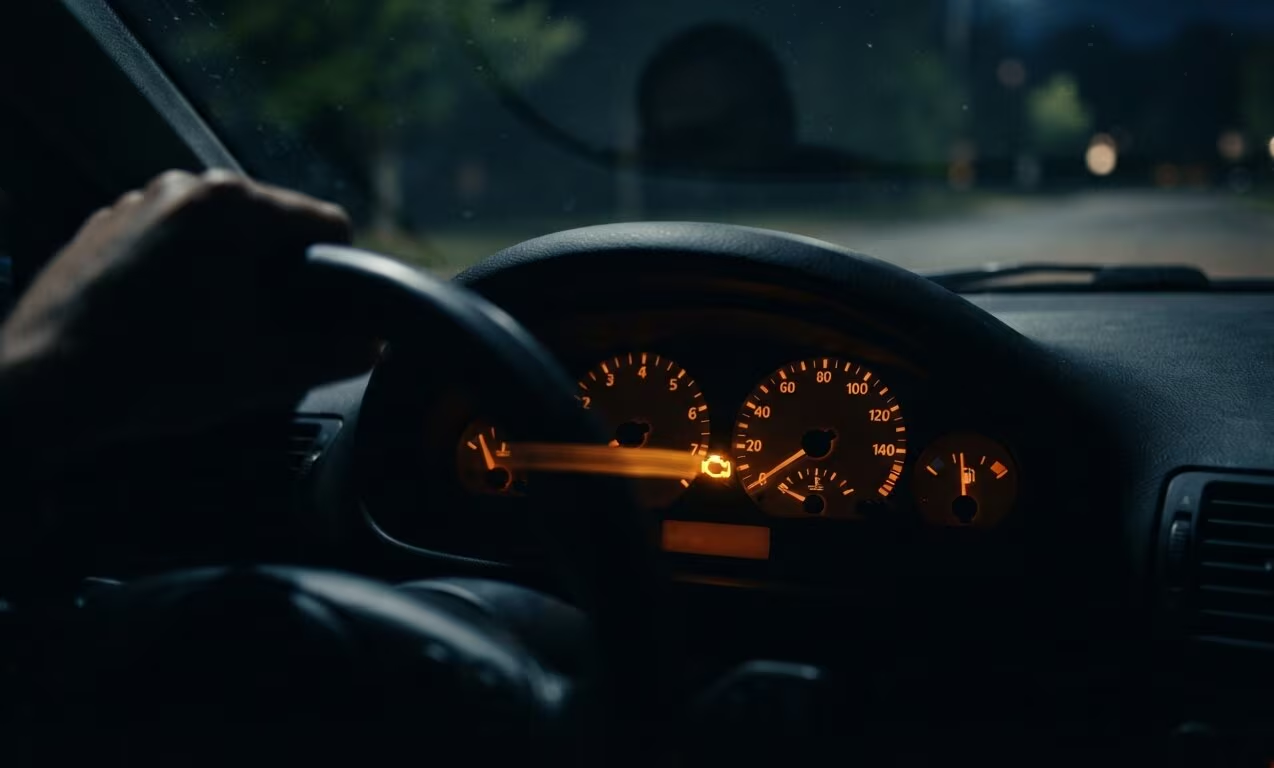
The check engine light is connected to the vehicle’s onboard diagnostic system. It alerts the driver when the vehicle’s computer detects a condition that may affect engine operation, emissions, or another monitored system.
A steady warning light can be associated with various issues, including sensor faults, ignition problems, fuel-system concerns, or emissions-related conditions. The exact cause depends on the vehicle and its symptoms.
A flashing check engine light can indicate a more serious problem, especially when the vehicle is running poorly or experiencing noticeable performance changes. In such cases, continuing to drive may increase the risk of additional problems.
Because there are many possible causes, the warning should be properly diagnosed instead of being ignored.
How Does an Auto Repair Shop Diagnose the Problem?
An auto repair shop can begin by connecting a compatible scan tool to the vehicle’s onboard diagnostic system. The scanner retrieves diagnostic trouble codes stored by the vehicle’s computer.
These codes provide information about systems or conditions that the computer has detected. They may point toward an ignition misfire, sensor circuit, fuel-system condition, or emissions-related issue.
However, a code does not always mean that the identified component needs replacement. Wiring problems, electrical connections, or other related components can sometimes produce the same code.
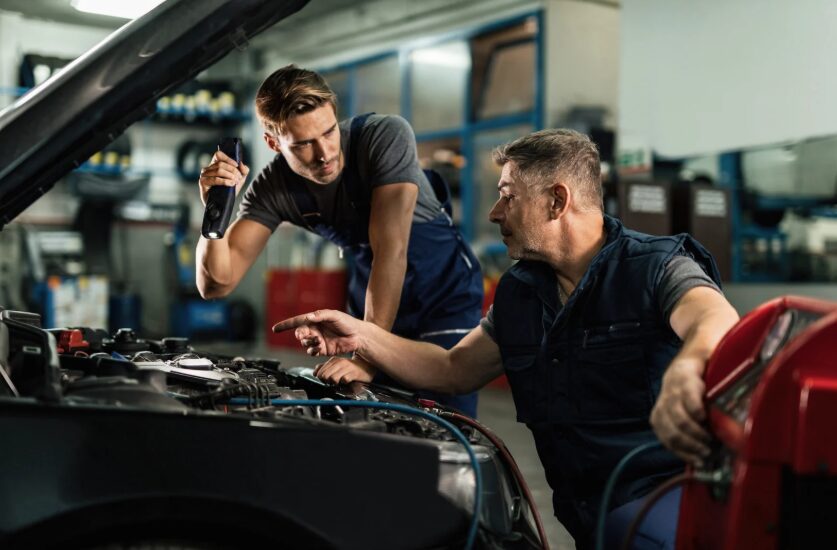
A technician may therefore inspect the affected system and perform additional tests before recommending a repair. This approach helps identify the underlying problem instead of replacing parts based only on the scan result.
What Is a Diagnostic Trouble Code?
A diagnostic trouble code, or DTC, is a code stored by a vehicle’s computer when it detects a condition outside expected operating parameters. Modern vehicles use sensors and computer systems to monitor numerous components and operating conditions.
The code gives technicians a starting point for troubleshooting. It may identify a particular circuit, system, or condition that requires further investigation.
For example, a code related to an oxygen sensor does not necessarily mean the sensor itself has failed. The technician may need to inspect the sensor, wiring, connections, exhaust system, and other related components.
This is why proper diagnosis involves more than simply reading a code. The code, vehicle symptoms, inspection findings, and test results can all help determine the cause.

Can a Simple Problem Cause the Warning Light?
Yes. Some check engine warnings can be connected to relatively simple conditions. Depending on the vehicle, a loose or improperly sealed fuel cap can sometimes trigger an emissions-related warning.
Other possible causes include worn spark plugs, ignition problems, vacuum leaks, sensor issues, or emissions-system faults. The possibilities vary according to the vehicle’s make, model, year, and condition.
Even when the cause seems minor, the warning should not automatically be ignored. A technician can determine whether the problem is simple or requires further investigation.
Getting the cause identified can also prevent unnecessary part replacement and help address the actual condition affecting the vehicle.
What Happens During a Professional Diagnosis?
A professional diagnostic appointment can involve several steps. The technician may first ask when the warning appeared and whether the vehicle has experienced symptoms such as rough running, reduced power, unusual noises, or starting problems.
The vehicle can then be connected to a diagnostic scanner to retrieve stored codes and available system information. Based on those results, the technician may inspect related components.
Additional testing can include checking wiring and electrical connections, examining sensors, inspecting ignition components, or looking for leaks and mechanical problems. The appropriate tests depend on the vehicle and diagnostic findings.
Once the information has been evaluated, the technician can explain the suspected cause and discuss the repair or additional testing that may be needed.
Why Should You Avoid Simply Clearing the Warning Light?
Clearing a check engine light does not necessarily repair the problem. If the underlying condition remains, the warning can return after the vehicle’s computer performs its monitoring checks again.
Clearing the code before diagnosis can also remove useful information that could help identify the problem. Disconnecting the battery or using a scanner simply to turn off the light may therefore delay proper troubleshooting.
A professional diagnostic process focuses on determining why the warning appeared in the first place. After the necessary repair is completed, the vehicle can be checked again to determine whether the condition has been addressed.
When Should You Have the Vehicle Checked?
A check engine light deserves attention, particularly when it appears alongside noticeable changes in vehicle performance. Rough running, stalling, reduced acceleration, starting difficulties, or unusual noises can provide important clues.
A steady warning light does not always mean the vehicle must immediately stop, but arranging a diagnostic inspection can help identify the problem before it develops further.
A flashing warning light can indicate a more serious condition, particularly when the vehicle is running poorly. In such circumstances, limiting driving and seeking professional guidance is appropriate.
The owner’s manual may also contain information about warning indicators specific to the vehicle.
Can Diagnostic Testing Find Other Problems?
Diagnostic testing can provide information about systems monitored by the vehicle’s computer, but it cannot identify every possible mechanical problem.
Some conditions may not generate a diagnostic trouble code and may require physical inspection or specialized testing. A technician may need to examine belts, hoses, wiring, leaks, or mechanical components.
For this reason, scanning the vehicle is only one part of a complete diagnostic process. Combining electronic information with physical inspection and testing can provide a clearer understanding of the vehicle’s condition.
How Can You Prepare for a Diagnosis?
Before visiting an auto repair shop, note when the check engine light appeared and whether anything changed before or after it came on. Recent repairs, maintenance, fuel purchases, or unusual driving conditions may also be relevant.
Pay attention to symptoms such as rough running, difficulty starting, reduced power, unusual noises, or changes in vehicle operation. Even intermittent symptoms can provide useful information.
Avoid assuming that a particular part is defective simply because an online search connects it with a symptom. A professional diagnosis can help determine which possibilities actually apply to the vehicle.
What Should You Expect After the Diagnosis?
After testing is completed, the technician can explain the findings and discuss the recommended repair or any additional testing that may be necessary. The appropriate solution depends on the cause identified during diagnosis.
The repair could involve replacing a damaged component, repairing wiring, correcting a connection, addressing a leak, or performing another necessary service.
A clear explanation can help vehicle owners understand why a repair is being recommended. After the repair, the vehicle can be evaluated again to determine whether the original warning condition has been resolved.
Conclusion
A check engine light can have many possible causes, and an auto repair shop can help identify the source through diagnostic scanning, inspection, and additional testing. Diagnostic trouble codes provide useful information, but they do not always identify the exact component responsible for the problem.
Vehicle owners should avoid simply clearing the warning light without finding its cause. Paying attention to additional symptoms can also help technicians diagnose the vehicle more efficiently.
For vehicle owners in Plainfield, Last Chance Auto Repair For Cars Trucks can be contacted at +1 815-577-0327 for information about vehicle diagnostic and repair needs. Proper diagnosis can help determine the cause of a check engine warning and the appropriate next steps.
