
The engine and transmission are generally the most expensive major components to repair or replace on a car. Severe engine failure or complete transmission replacement can cost several thousand dollars, with some repairs exceeding $10,000. For hybrid and electric vehicles, the high-voltage battery can also be among the most expensive components.
The final cost depends on the vehicle’s make and model, damage, labor rates, parts prices, diagnostic requirements, and whether the component can be repaired, rebuilt, or replaced.

What Is the Most Expensive Car Repair?
For most gasoline and diesel vehicles, major engine and transmission repairs are typically the most expensive.
| Major Repair | Broad Cost | Why It’s Expensive |
| Engine replacement | $4,000–$12,000+ | Expensive parts and extensive labor |
| Engine rebuild | $3,000–$10,000+ | Internal disassembly and machining |
| Transmission replacement | $3,000–$8,000+ | Complex mechanical and electronic components |
| Transmission rebuild | $2,500–$6,000+ | Extensive internal labor |
| Hybrid/EV battery | $3,000–$15,000+ | Large high-voltage battery assemblies |
| Turbocharger repair | $1,500–$5,000+ | Specialized parts and labor |
| Advanced electrical repair | $1,000–$5,000+ | Diagnostics, modules, and programming |
| Major A/C repair | $1,000–$4,000+ | Difficult access and system work |
These are broad estimates. Actual prices vary by vehicle, location, parts availability, and repair complexity.
1. Engine Replacement
A failed engine is one of the most expensive problems a conventional vehicle can experience. Severe overheating, low oil, timing-component failure, bearing damage, piston problems, or major internal wear can make replacement more practical than individual repairs.
How Much Does It Cost to Replace an Engine?
Engine replacement can commonly cost $4,000 to $12,000 or more. The total may include the replacement engine, removal and installation, fluids, gaskets, seals, diagnostics, programming, and testing.
Used engines may cost less than new or remanufactured units, but the best option depends on the vehicle and condition.
2. Transmission Replacement
Transmission replacement can also create one of the largest automotive repair bills. Transmissions contain gears, clutches, solenoids, valve bodies, torque converters, bearings, seals, and electronic controls.
What Does a Transmission Replacement Cost?
A transmission replacement can cost $3,000 to $8,000 or more, depending on the vehicle. Luxury, performance, hybrid, and specialized vehicles may cost significantly more.
3. Hybrid and Electric Vehicle Battery Replacement
For hybrid and electric vehicles, the high-voltage battery can be one of the most expensive components to replace. These batteries contain multiple modules and sophisticated battery-management systems.
A battery-related problem does not always mean the entire battery needs replacement. Proper diagnosis may identify a faulty module, connection, cooling component, or electronic system that can be repaired separately.
4. Engine Rebuild
An engine rebuild involves disassembling the engine and inspecting its internal components. Depending on the damage, technicians may replace pistons, rings, bearings, valves, gaskets, seals, and timing components while performing necessary machining.
Because the process is labor-intensive, an engine rebuild can cost $3,000 to $10,000 or more.
5. Transmission Rebuild
A transmission rebuild requires removing and disassembling the transmission to inspect its internal components. Clutch packs, seals, bearings, solenoids, gaskets, and valve-body components may need replacement.
A rebuild can sometimes cost less than complete replacement, but it remains a significant repair.
6. Turbocharger Failure
Turbocharged vehicles can develop expensive problems involving the turbocharger and related components. A major repair may include the turbocharger assembly, oil or coolant lines, sensors, exhaust components, and gaskets.
Depending on accessibility and vehicle design, turbocharger repairs can cost $1,500 to $5,000 or more.
7. Advanced Electrical Problems
Modern vehicles rely heavily on electronics, making difficult electrical faults expensive to diagnose and repair. Problems may involve wiring, grounds, sensors, relays, control modules, battery systems, or communication networks.
The most expensive part isn’t always the replacement component. Diagnostic labor can account for a significant portion of the bill, especially when technicians must trace an intermittent electrical problem.
8. Major Air Conditioning Repairs
Major A/C repairs can also reach four figures. Common expensive components include the compressor, condenser, evaporator, expansion valve, refrigerant lines, and electrical controls.
Some components, particularly evaporators, can require extensive dashboard or interior disassembly.
What Makes a Car Repair Expensive?
Several factors determine the final repair price:
- Parts: Some components are significantly more expensive than others.
- Labor: Complex repairs require more technician hours.
- Accessibility: Difficult-to-reach components take longer to replace.
- Diagnostics: Modern vehicles often require specialized equipment.
- Programming: Electronic components may require programming or calibration.
- Vehicle type: Luxury, performance, hybrid, and electric vehicles can cost more to repair.
- Location: Labor rates vary by geographic area.
Is a $5,000 Car Repair Worth It?
Sometimes a major repair is financially sensible.
For example, a $5,000 repair on a $15,000 vehicle may be reasonable if the car has a healthy transmission, good tires, little rust, a strong maintenance history, and no other major problems.
A $5,000 repair on a $5,000 vehicle with a failing transmission, severe rust, and additional major repairs may not make as much financial sense.
How to Decide Whether to Repair or Replace Your Car
Consider:
Vehicle Value
Determine the vehicle’s current market value and condition.
Repair Cost
Get a detailed, itemized estimate before approving major work.
Overall Condition
Consider the engine, transmission, suspension, brakes, tires, electrical systems, and body.
Maintenance History
A well-maintained vehicle may have significantly more useful life remaining.
Mileage
Mileage matters, but it should not be the only factor.
Future Repairs
Ask the technician what other major repairs may be approaching.
Replacement Cost
Compare the repair with the cost of purchasing another dependable vehicle.
The 12-Month Repair Test
Estimate your likely automotive expenses for the next year by adding:
- Immediate repair
- Scheduled maintenance
- Tires
- Brakes
- Known upcoming repairs
- Potential major repairs
Then compare the total with the cost of replacing the vehicle. This gives you a broader financial picture instead of focusing on one repair bill.
When Should You Stop Repairing a Car?
There is no universal dollar amount that makes a car unworthy of repair. Consider replacing the vehicle when major repairs happen repeatedly, the engine and transmission both have serious problems, structural rust is severe, safety systems are compromised, or several expensive repairs are expected soon.
Don’t Ignore Smaller Problems
Addressing problems early can help prevent major expenses. A small cooling-system leak, for example, can eventually cause severe overheating and engine damage if ignored.
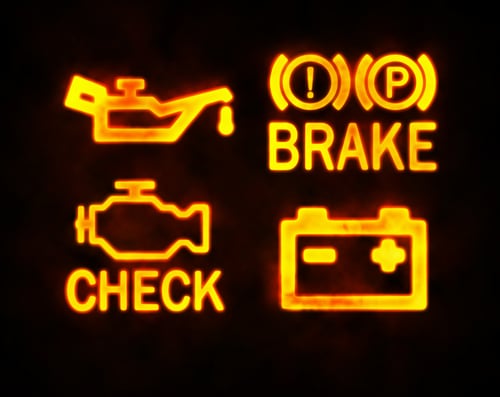
The same principle applies to brakes, fluids, steering, suspension, warning lights, and unusual noises.
Maintenance Can Protect Your Investment
Regular maintenance cannot prevent every failure, but it can reduce unnecessary wear and identify developing problems.
Important maintenance areas include:
- Engine oil
- Coolant
- Brake fluid
- Transmission fluid when applicable
- Filters
- Belts
- Tires
- Brakes
- Battery
- Suspension and steering
Follow the manufacturer’s maintenance schedule and investigate unusual symptoms promptly.
Frequently Asked Questions
What is the most expensive thing to fix on a car?
The engine and transmission are generally among the most expensive major components to repair or replace. Severe failures can cost several thousand dollars, while certain repairs can exceed $10,000.
Is an engine more expensive to replace than a transmission?
It depends on the vehicle and specific failure. Both engine and transmission replacements can cost several thousand dollars, with parts, labor, and repair type affecting the final price.
What is the most expensive part of a car to replace?
For conventional vehicles, the engine and transmission are typically among the most expensive. For some hybrid and electric vehicles, the high-voltage battery can be similarly expensive.
Is a $5,000 car repair worth it?
It can be if the vehicle is otherwise reliable and worth substantially more than the repair cost. Consider its condition, mileage, maintenance history, future repairs, and replacement costs.
What repairs can cost more than $10,000?
Certain engine replacements, specialized transmissions, high-voltage battery replacements, luxury or performance vehicle repairs, and extensive drivetrain work can exceed $10,000.
How can I avoid expensive car repairs?
Follow the manufacturer’s maintenance schedule, address warning lights and unusual symptoms quickly, maintain fluids and brakes, and have problems professionally diagnosed before they become worse.
Conclusion
So, what is the most expensive thing to fix on a car? For most conventional vehicles, major engine and transmission repairs are among the most expensive automotive repairs. Engine replacement can exceed $10,000, while transmission replacement can also cost several thousand dollars. Hybrid and electric vehicle battery replacements can reach similarly high amounts.
However, an expensive repair does not automatically mean you should replace the vehicle. Consider its value, condition, mileage, maintenance history, reliability, and expected future repairs.
Before approving a major repair, get a proper diagnosis and itemized estimate. Catching smaller problems early can also prevent them from developing into major failures.
If your car or truck has engine problems, transmission symptoms, brake issues, overheating, warning lights, unusual noises, starting problems, or other automotive concerns, contact Last Chance Auto Repair For Cars Trucks in Plainfield, IL.
For Car Repair Plainfield IL, Car Repair Near Me, Auto Repair, Auto Repair Near Me, Automotive Repair, Brake Shop, Brake Repair, Brake Repair Plainfield IL, or Brake Service, call 815-577-0327 for professional diagnostics, maintenance, brake service, and automotive repair for cars and trucks.
