

Common slang for a car mechanic includes “wrench,” “wrench-turner,” “grease monkey,” and “shade-tree mechanic.” Other informal terms include “gearhead,” “motorhead,” “car guy,” “car girl,” and “car whisperer.” These terms don’t all mean exactly the same thing. “Wrench” and “wrench-turner” usually describe someone who performs hands-on mechanical work, while “gearhead” and “motorhead” generally refer to people who are passionate about cars and engines.
The everyday term is mechanic, while automotive technician is a more professional title. Modern automotive repair requires knowledge of mechanical systems, electronics, computers, sensors, diagnostics, and advanced vehicle technology.
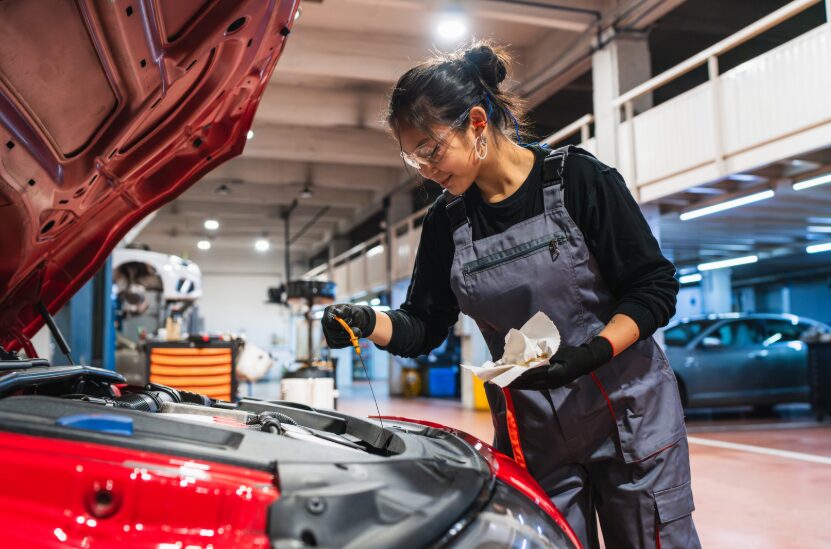
Common Slang Terms for a Car Mechanic
| Slang Term | Meaning | Tone |
| Wrench | Someone who performs mechanical work | Casual |
| Wrench-turner | Hands-on vehicle mechanic | Informal |
| Grease monkey | Traditional term for a mechanic | Old-fashioned |
| Shade-tree mechanic | Independent or DIY repairer | Casual |
| Gearhead | Person passionate about cars | Informal |
| Motorhead | Automotive enthusiast | Informal |
| Car guy/car girl | Person knowledgeable about cars | Casual |
| Car whisperer | Exceptional vehicle diagnostician | Humorous |
| Grease guru | Highly experienced mechanic | Humorous |
| Wrench wizard | Very skilled mechanic | Humorous |
The best term depends on whether you’re describing a professional mechanic, DIY repairer, or automotive enthusiast.
1. Wrench
“Wrench” is one of the most recognizable slang terms for a mechanic. The term comes from one of the most important tools used in automotive repair.
Someone might say, “He’s a good wrench,” meaning the person is skilled at hands-on mechanical work. Mechanics use wrenches for countless jobs, including brake repairs, suspension work, engine repairs, maintenance, and component replacement.
2. Wrench-Turner
“Wrench-turner” describes someone who physically works on vehicles or other mechanical equipment.
The term emphasizes hands-on repair work and can distinguish a mechanic from service advisors, managers, or parts employees. For example, someone might say, “He’s been a wrench-turner for 20 years.”
3. Grease Monkey
“Grease monkey” is an old slang expression for a mechanic. It comes from the grease and oil traditionally associated with mechanical work.
Although it can be used humorously, the term may sound outdated or disrespectful in some situations. Mechanic or automotive technician is usually more appropriate in professional communication.
4. Shade-Tree Mechanic
A shade-tree mechanic generally repairs vehicles independently rather than working at a traditional repair shop.
The term comes from the image of someone working on a vehicle outdoors under a shady tree. A shade-tree mechanic may be a skilled DIYer, hobbyist, experienced vehicle owner, or person who repairs vehicles for friends and family.
The term doesn’t necessarily mean someone is inexperienced, but it generally distinguishes independent repair work from professional shop service.
5. Gearhead
A gearhead is someone who loves cars, engines, and mechanical systems. Unlike “mechanic,” the term doesn’t necessarily describe a profession.
A gearhead could be a professional technician, racing enthusiast, classic-car collector, restoration hobbyist, or performance-car enthusiast.
In simple terms:
Mechanic = occupation
Gearhead = passion for cars
A person can easily be both.
6. Motorhead
Motorhead is another informal term for someone highly interested in vehicles, engines, or motorsports.
A motorhead might spend their free time restoring cars, building engines, modifying vehicles, attending car shows, racing, or learning about automotive technology. Like “gearhead,” it describes enthusiasm rather than necessarily being a job title.
7. Car Whisperer
“Car whisperer” is a humorous nickname for a mechanic who seems exceptionally good at diagnosing difficult vehicle problems.
For example, a customer may describe a strange noise, and an experienced technician immediately knows where to begin looking. Years of experience can help mechanics develop strong diagnostic instincts.
Mechanic vs. Automotive Technician
Mechanic is the familiar everyday term, while automotive technician is the more formal professional title.
Modern vehicles contain engine computers, transmission modules, sensors, electronic systems, anti-lock brakes, stability controls, cameras, radar, and other technology. Technicians often need computerized diagnostic equipment and specialized knowledge before determining which component actually needs repair.
What Does a Modern Car Mechanic Do?
Modern automotive repair involves much more than replacing parts.
Vehicle Diagnostics
Technicians may diagnose check-engine lights, warning messages, starting problems, rough running, poor acceleration, electrical faults, and unusual noises. A diagnostic trouble code doesn’t always identify the failed component, so proper testing is important.
Brake Repair
Brake service can include inspection or replacement of brake pads, rotors, calipers, fluid, lines, parking brakes, and related systems. Grinding, squealing, vibration, pulling, or changes in pedal feel can indicate a potential problem.
Engine Repair
Engine services can range from routine maintenance to major repairs. Common work includes cooling-system repairs, ignition diagnosis, fuel-system problems, sensor replacement, timing-system repairs, gasket replacement, and engine replacement.
Suspension, Steering, and Electrical Repair
Mechanics also inspect shocks, struts, control arms, ball joints, tie rods, springs, wheel bearings, batteries, starters, wiring, fuses, grounds, sensors, and control modules.
Because modern vehicles combine mechanical and electronic systems, accurate diagnosis is essential to avoid replacing parts unnecessarily.
How Much Does a Car Mechanic Cost?
Mechanic labor rates vary based on location, vehicle type, repair complexity, technician experience, shop overhead, equipment, and diagnostic requirements.
A shop’s labor rate doesn’t represent the technician’s personal wage. Repair facilities also have expenses such as insurance, rent, diagnostic equipment, specialty tools, software, utilities, training, employee benefits, and administrative costs.
When comparing estimates, consider diagnostic accuracy, workmanship, parts quality, warranty coverage, and overall value, not just the lowest price.
How to Tell If a Mechanic Is Good
A good automotive professional should:
- Diagnose before replacing parts: Identify the underlying problem instead of guessing.
- Explain the repair: Clearly explain what was found and why work is recommended.
- Use proper equipment: Modern vehicles often require specialized diagnostic tools.
- Follow repair procedures: Correct procedures help ensure safe and reliable repairs.
- Communicate clearly: Estimates and recommended repairs should be easy to understand.
- Prioritize safety: Brake, steering, suspension, and tire issues require appropriate attention.
Funny Slang Names for a Car Mechanic
If you’re looking for humorous automotive nicknames, consider:
- Wrench Wizard
- Car Whisperer
- Engine Whisperer
- Grease Guru
- Bolt Boss
- Torque Master
- Socket Sensei
- Rust Warrior
- Dashboard Detective
- Vehicle Surgeon
- Motor Magician
- Hood Hero
- Automotive Alchemist
These names can work well for automotive social media posts, shop shirts, team names, memes, or friendly jokes.
Frequently Asked Questions
What is slang for a car mechanic?
Common slang includes “wrench,” “wrench-turner,” “grease monkey,” and “shade-tree mechanic.” “Gearhead,” “motorhead,” and “car guy” can also be used, although they describe automotive enthusiasts rather than specifically professional mechanics.
What does “wrench” mean in mechanic slang?
“Wrench” is informal terminology for someone who performs hands-on mechanical work. The nickname comes from the wrench being a fundamental tool used in automotive repair.
Is “grease monkey” another word for mechanic?
Yes. “Grease monkey” is an old slang term associated with mechanics and mechanical workers. Because it can sound outdated, “mechanic” or “automotive technician” is generally better for professional settings.
What is a gearhead?
A gearhead is someone passionate about cars, engines, or mechanical systems. A professional mechanic can be a gearhead, but the term doesn’t necessarily mean the person works in automotive repair.
What is a shade-tree mechanic?
A shade-tree mechanic generally repairs vehicles independently or outside a traditional professional repair shop. They may be DIY mechanics, hobbyists, or experienced automotive enthusiasts.
What is the professional term for a car mechanic?
The most common professional term is automotive technician. Other titles include automotive service technician, automotive repair technician, diagnostic technician, and master automotive technician.
Conclusion
So, what is slang for a car mechanic? The most common answers are “wrench,” “wrench-turner,” “grease monkey,” and “shade-tree mechanic.” If you’re describing someone who loves automobiles rather than someone whose occupation is repair, “gearhead” or “motorhead” may be more appropriate.
For a humorous nickname, you could use wrench wizard, car whisperer, grease guru, torque master, or vehicle surgeon. In professional settings, however, automotive technician is generally the better alternative to “mechanic.”
For Car Repair Plainfield IL, Car Repair Near Me, Auto Repair, Auto Repair Near Me, Automotive Repair, Brake Shop, Brake Repair, Brake Repair Plainfield IL, or Brake Service, contact Last Chance Auto Repair For Cars Trucks in Plainfield, IL.
Call 815-577-0327 for professional car and truck diagnostics, maintenance, brake service, and automotive repair.
