

Ensuring Longevity with a Rebuilt Differential
For many car enthusiasts and daily drivers alike, hitting high mileage on your vehicle is a badge of honor. It’s a testament to your vehicle’s reliability and your dedication to maintenance. However, with high mileage comes the inevitable wear and tear on various components, including one of the most crucial parts of your drivetrain: the differential. Rebuilding a differential might sound daunting, but with the right guidance, it’s entirely achievable and can breathe new life into your trusted ride.
What is a Differential?
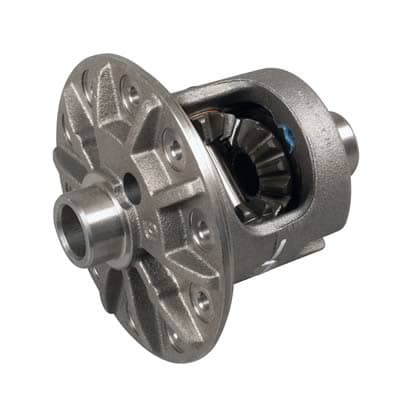
First, let’s break down what a differential actually does. Think of it as the unsung hero of your vehicle’s drivetrain. Its primary job is to allow your wheels to rotate at different speeds, which is especially important when you’re making turns. Imagine a sprinter on a track—when they go around a curve, their inside leg moves slower than their outside leg. Your car needs to do something similar, and that’s where the differential comes in.
In essence, the differential makes sure that power from the engine is distributed evenly to the wheels while allowing them to spin at different rates. Without it, your tires would wear out much faster, and your vehicle would handle poorly on turns.
Signs Your Differential Needs a Rebuild
High mileage can take its toll on the differential, and certain symptoms can indicate it’s time for a rebuild:
Whining or Howling Noises
These noises, especially noticeable during acceleration or turning, often indicate worn internal gears within the differential. Ignoring them can lead to further damage and potentially more costly repairs down the road.
Vibrations
Unusual vibrations felt at specific speeds suggest worn components within the differential. These vibrations can affect the overall smoothness of your ride and should prompt a thorough inspection to prevent further drivability issues.
Leaking Fluid
Discovering gear oil underneath your vehicle is a clear indicator of a leaking differential seal. This leakage not only compromises the differential’s lubrication but can also lead to more severe damage if not addressed promptly.
Difficulty in Handling
If your vehicle feels unstable or exhibits poor handling, particularly noticeable during turns, the differential could be to blame. A malfunctioning differential can affect the vehicle’s ability to distribute power evenly to the wheels, impacting overall control and safety.
Uneven Tire Wear
Uneven wear patterns on your tires may signal that the differential isn’t distributing power evenly between the wheels. This issue can accelerate tire wear and affect traction, potentially compromising the vehicle’s performance and safety.
Getting Ready: Tools and Preparation
Before diving into the rebuild, gather all necessary tools and materials. Here’s a checklist:
- Comprehensive Wrench and Socket Set: Essential for removing bolts and nuts of various sizes throughout the differential assembly.
- Screwdrivers: Needed for prying off covers and handling smaller screws during disassembly and reassembly.
- Torque Wrench: Critical for tightening bolts to the manufacturer’s specifications to prevent over-tightening or under-tightening.
- Hydraulic Jack and Jack Stands: Used to safely lift and support the vehicle, providing access to the differential and ensuring stability during work.
- Bearing Puller: Essential for removing bearings without damaging them, facilitating smooth disassembly.
- Differential Rebuild Kit: Includes bearings, seals, gaskets, and other necessary components for replacing worn parts during the rebuild.
- Drain Pan: Used to catch and dispose of old differential fluid safely during the draining process.
- Brake Cleaner or Parts Cleaner: Essential for cleaning components thoroughly before inspection and reassembly to ensure optimal performance.
- Safety Goggles and Gloves: Provide protection against debris, chemicals, and sharp edges, ensuring safety throughout the rebuild process.
Step-by-Step Differential Rebuild
Preparation and Safety First
Safety is paramount. Start by parking your car on a flat surface and engaging the parking brake. Lift the vehicle using a hydraulic jack and secure it on jack stands. Double-check the stability of your car before sliding underneath it.
Draining the Differential Fluid
Locate the differential drain plug. Position a drain pan underneath it and remove the plug to let the old fluid drain out completely. This step can be a bit messy, so have some rags or shop towels on hand to clean up any spills.
Removing the Differential Cover
Once the fluid is drained, it’s time to remove the differential cover. Carefully unscrew the bolts securing the cover. If it’s stuck, gently tap it with a rubber mallet or use a flat tool to pry it off. Be cautious not to damage the gasket surface.
Inspecting the Internal Components
With the cover off, you’ll have a clear view of the differential’s internal components. Look for signs of wear or damage on the gears and bearings. Metal shavings or debris in the fluid can indicate significant internal wear.
Removing the Axles
In many vehicles, you’ll need to remove the axles to access the differential completely. This usually involves taking off the brake components and axle retaining bolts. Refer to your vehicle’s manual for specific instructions on axle removal.
Disassembling the Differential
Carefully remove the differential carrier and bearings. Keep track of the order and orientation of all parts during disassembly. Using a bearing puller, remove the old bearings from the carrier and pinion.
Cleaning the Components
Thoroughly clean all parts using brake cleaner or parts cleaner. Ensure that all debris, old fluid, and metal shavings are removed. Clean components ensure a smoother reassembly process and better performance.
Replacing Bearings and Seals
Install new bearings and seals from your rebuild kit. Use a press to seat them correctly. If replacing gears, ensure they match the original specifications. This step requires precision—incorrect installation can lead to premature wear or failure.
Reassembling the Differential
Begin reassembly by installing the pinion gear, setting the pinion depth and bearing preload according to the manufacturer’s specifications. Then, install the carrier and adjust the backlash (the amount of free play between the gears). Use a dial indicator to measure and adjust the backlash accurately.
Reinstalling the Axles and Differential Cover
Reinstall the axles and secure them in place. Apply a new gasket or gasket maker to the differential cover and bolt it back onto the housing. Tighten all bolts to the specified torque to avoid leaks.
Refilling the Differential Fluid
Fill the differential with the recommended type and amount of fluid. Check your vehicle’s manual for the correct specifications. Proper fluid levels are crucial for differential longevity.
Testing and Final Checks
Lower your vehicle and take it for a test drive. Listen for any unusual noises and pay attention to how it handles. Check for any leaks around the differential cover and axle seals. If everything sounds and feels right, congratulations—you’ve successfully rebuilt your differential!
Maintenance Tips for Longevity
After all the hard work of rebuilding your differential, you’ll want to ensure it lasts as long as possible. Here are some tips for keeping it in top shape:
Regular Fluid Changes
Changing the differential fluid at manufacturer-recommended intervals ensures optimal lubrication, reducing friction and wear on internal components, which extends the differential’s lifespan and maintains smooth operation.
Check for Leaks
Regularly inspect the differential for leaks, as even minor leaks can lead to fluid loss, overheating, and accelerated wear of gears and bearings, compromising performance and longevity.
Monitor for Noises
Stay alert for unusual noises emanating from the differential area, such as whining or grinding sounds. Prompt investigation and resolution of these noises can prevent further damage and costly repairs.
Proper Driving Habits
Practice smooth driving techniques to lessen strain on the differential. Avoid sudden acceleration, aggressive turns, and abrupt stops, which can stress differential components and contribute to premature wear and potential failures.
Professional Inspections
Arrange regular inspections by a qualified mechanic, particularly if you detect abnormal symptoms like vibrations or handling issues. Professional evaluation helps identify potential problems early, allowing for timely repairs and optimal differential performance and longevity.
Why Rebuild Instead of Replace?
Rebuilding a differential instead of opting for outright replacement offers several compelling advantages, particularly for high mileage vehicles. Firstly, it can be a more cost-effective solution. Rebuild kits typically include essential components like bearings, seals, and gaskets, allowing you to replace only worn-out parts rather than the entire differential unit. This approach not only saves money but also preserves the originality of your vehicle, which is especially important for classic or vintage cars where finding exact replacements can be challenging or expensive.
Secondly, rebuilding allows for customization and potentially upgrades. You can choose to install higher-quality bearings or gears that may enhance performance or durability compared to stock components. Moreover, undertaking a rebuild provides an opportunity to gain deeper insights into your vehicle’s mechanics. It’s a hands-on learning experience that empowers enthusiasts to understand and maintain their vehicles better, fostering a sense of satisfaction and connection with their automotive investments. Overall, rebuilding a differential combines economic benefits with customization potential and knowledge enrichment, making it a preferred choice for many discerning car owners.
Conclusion
Choosing to rebuild rather than replace the differential in your high mileage vehicle can prove to be a prudent choice. This approach not only prolongs the lifespan of critical drivetrain components but also presents opportunities for cost savings and customization. At Last Chance Auto Repair in Plainfield, IL, the significance of maintaining your vehicle’s performance and longevity is well understood. Whether addressing issues like whining noises, vibrations, or handling concerns, expert services are available to ensure meticulous differential rebuilds. Trust in the expertise offered here for your automotive needs and witness firsthand the impact of quality service on your vehicle’s reliability and efficiency over the long haul.
